







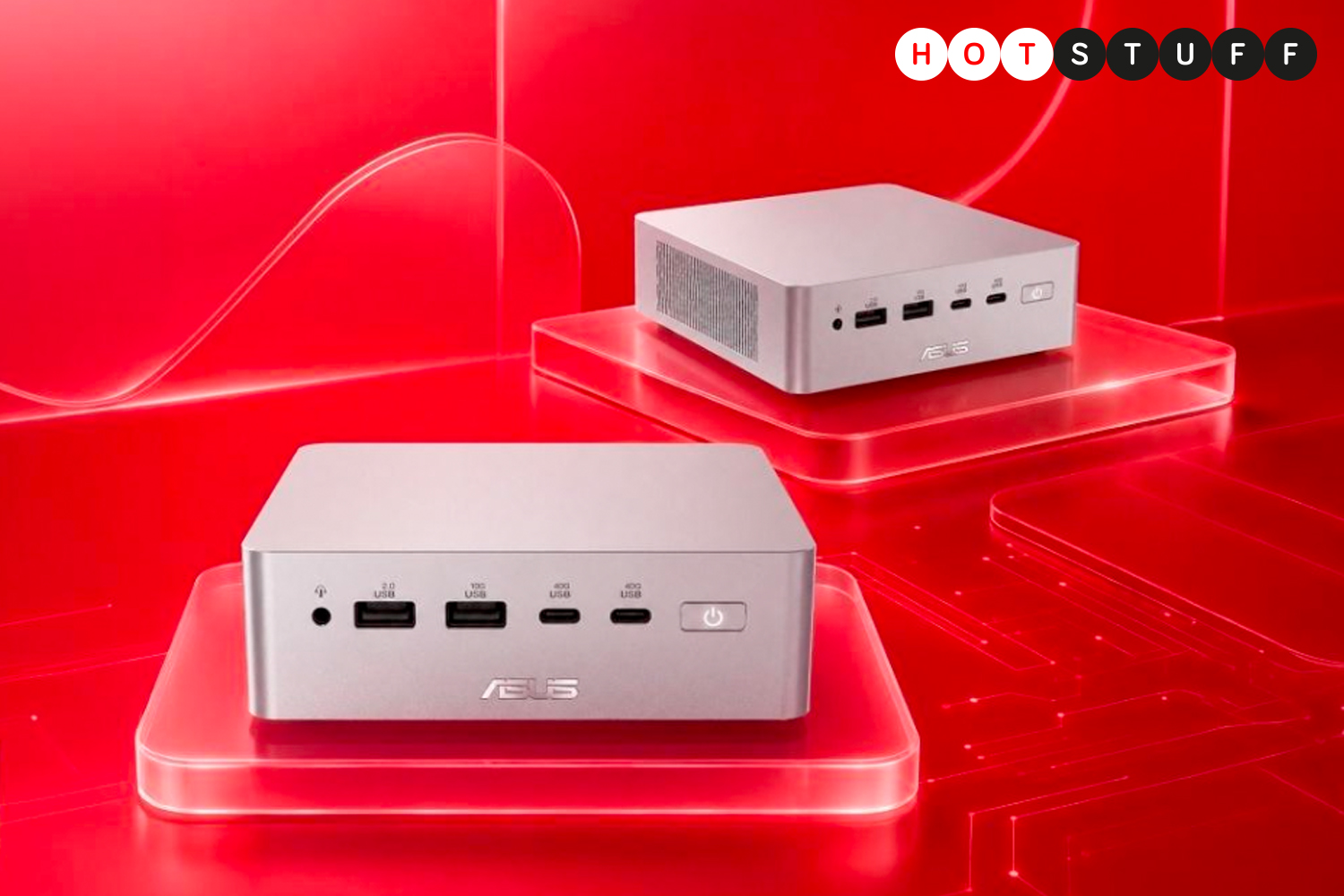
Asus and Qualcomm have teamed up to redefine “small yet mighty”. The Ascent QN10 is the first mini PC of its kind to launch with Snapdragon X2 internals, packing enough power to rival the Apple Mac Mini – which is rarer than rocking horse droppings right now thanks to memory supply shortages – yet takes up barely more desk space than a can of coke.
This ain’t your low-power home server box to replace a Raspberry Pi or Intel N100 mini PC; the Snapdragon X2 Elite is a full throttle chipset with an impressive amount of gaming grunt, dedicated NPU for on-device AI processing, and enough Oryon cores to demolish most desktop tasks. Exact specs have yet to be confirmed, but performance-wise it’ll go directly up against Apple’s M4 silicon and the recent wave of mini PCs powered by AMD’s Ryzen AI MAX+ 395.
80 TOPS of AI compute power is also enough to run models like OpenClaw, Claude Desktop, Open AI codex directly on the machine, rather than in the cloud – yet the tiny machine only takes up a mere 0.7 litres. That’s more than three quarters less volume than the typical 5L mini-PC found in many offices and home labs.
The QN10 isn’t short on connections either, despite its size. Asus has squeezed in three USB4 ports, three USB 3.2 Gen 2 and a single USB2, along with audio, video, and networking.

That Asus was first in line for the new silicon doesn’t exactly come as a surprise: it was already ahead of every rival in bringing Snapdragon X2 Elite Extreme to consumers with the Zenbook A16. In my review I said it “either keeps pace or bests the Intel and AMD competition on Windows, and comfortably matches some of Apple’s beefiest processors for outright oomph”. Windows on ARM architecture has come a long way in a short space of time, too, with more apps and games working right out of the box.
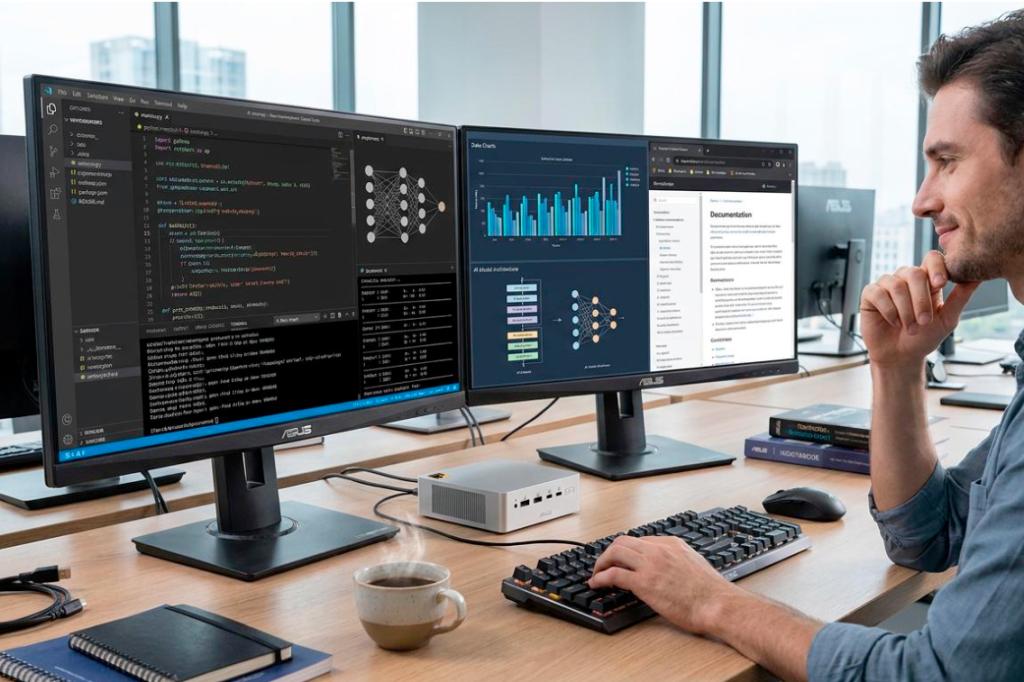
Mini PCs in general have become a fast favourite among developers and home server owners as well as replacements for bulky desktop systems. I’m currently running Immich, a self-hosted alternative to Google Photos, on an old desktop computer, but am sure my energy bills would go down if one of these took its place. A few Docker containers and open-source apps will barely scratch the surface of what X2 Elite Extreme is capable of; with the right cooling the Ascent QN10 should also be able to play modern games at console-quality graphics.
That also means it won’t come cheap. Qualcomm uses generous amounts of unified memory, and SSD storage is at a premium because the artificial intelligence boom has hoovered up all the chips.
There’s currently no word on how much the Asus Ascent QN10 will cost, or when it’ll officially go on sale. I’m expecting to learn more at the Computex show in Taiwan this week.
Thanks to Qualcomm for inviting me to be their guest at Computex 2026. All experiences were hosted but no additional compensation was received.




Read the full article here


