

Smartphones are the same everywhere, right? Wrong. While an iPhone 17 might look the same everywhere, there are some key differences between smartphones in the US and the UK.
And because you’re a curious soul with an endless thirst for knowledge, you’re going to scroll down and learn a thing or two. Who knows, it might come in handy for a (very niche) pub quiz round. You’re welcome.
With that said, here’s everything you need to know about the differences between smartphones in the US and the UK…
SIMs and Cellular Networks
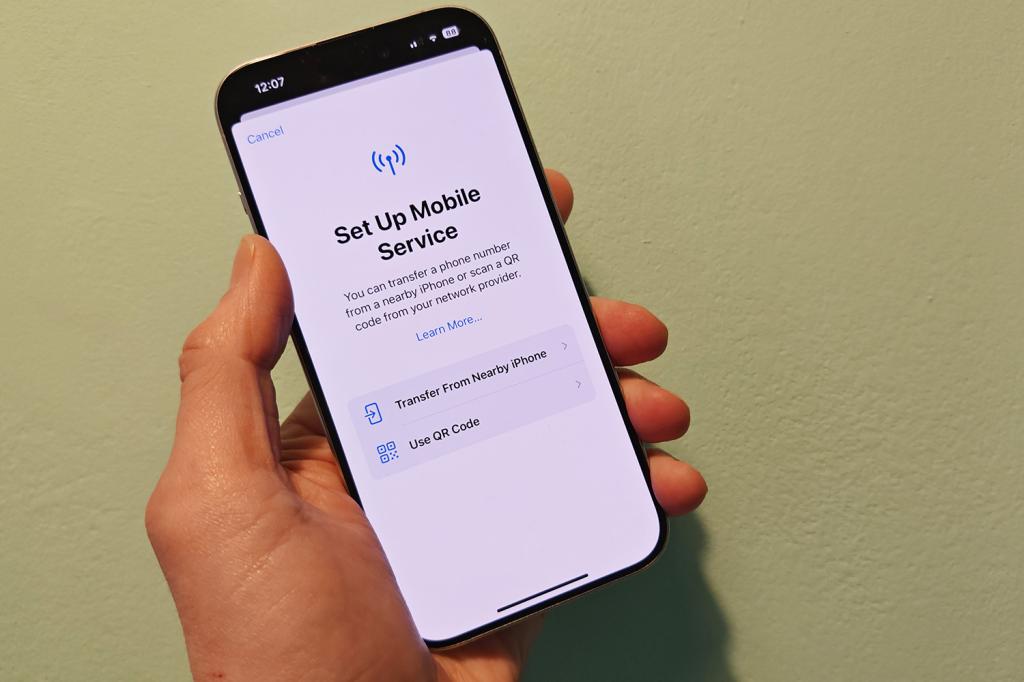
Here’s a fun fact: buy an iPhone in the US, and there’s no physical SIM tray at all. Apple killed it off for American models years ago, forcing buyers fully onto eSIM. UK iPhones, however, still support both eSIM and physical nano-SIM cards.
It doesn’t sound like a big deal, and for many, it probably isn’t. Unless you’re a frequent traveller, that is. Brits and Europeans are far more used to popping in cheap prepaid SIMs abroad, switching networks whenever a better deal appears, or carrying dual SIMs for work and personal numbers.
While the UK market still revolves heavily around unlocked phones and flexibility, in the US, where people are more tightly tied to carrier contracts and financing plans, eSIM adoption happened much faster.
Other internal hardware differs as well. US flagship phones often include support for mmWave 5G – the ultra-fast, ultra-short-range version of 5G heavily pushed by American carriers. UK versions usually don’t.
That means two phones that are the same model can actually contain different antennas, different band support, and different assumptions about how they’ll be used.
It’s also why importing international phones into the US can sometimes cause compatibility issues. A handset designed primarily for European or Asian networks may technically work in America, but not necessarily optimally across every carrier band.
Differences in how we buy phones
In the UK, many people buy phones outright, or pair SIM-free devices with relatively cheap rolling contracts. Networks matter, but they’re often treated separately from the handset itself. Virtual operators like Giffgaff, Smarty, Voxi, and Lebara have made switching providers ridiculously easy.
In the US, though, things are different. American carriers still dominate the smartphone experience to a much greater degree. Walk into a US carrier store, and you’ll immediately be hit with giant trade-in offers, all manner of promotions, and financing plans that bundle the phone tightly into your monthly bill.
This all still happens in the UK, of course, but to a lesser extent than it used to. A report from BT/Ofcom states that SIM-only contracts could account for around 60 per cent of the UK market this year.
This, in turn, can change how people think about upgrading their phones. For many in the UK, upgrading every year can feel excessive. In the US, constant upgrades are practically built into the carrier ecosystem. Plenty of Americans rarely pay the full upfront cost of a flagship device at all.
That carrier-first culture also explains why locked phones stayed common in America for far longer than they did in Britain. UK buyers became used to unlocked handsets years ago, while US consumers often remained tied to specific carriers through contracts and financing deals.
Even some smartphone features feel more carrier-controlled in America. Wi-Fi calling, visual voicemail systems, and certain advanced network features can still depend heavily on carrier support, which means the feature list on paper doesn’t always match the real-world experience on your network.
Not all 5G is created equal
US carriers rarely just sell 5G. They sell 5G Ultra Wideband, 5G UC, 5G+, and plenty of other variants laced with branding jargon. And it’s partly because America’s 5G rollout evolved differently.
US carriers invested heavily in mmWave 5G – a blisteringly fast version of 5G capable of absurd speeds in ideal conditions. The catch is that its range is terrible. Signals struggle with walls, trees, and distance, which is why mmWave deployment mostly ended up concentrated in stadiums, airports, and dense city centres.
British networks, meanwhile, tend to focus more heavily on sub-6GHz 5G and wider coverage, rather than the mmWave-heavy branding pushed by some US carriers. Instead of chasing eye-watering benchmark numbers, the focus has generally been on broader everyday availability.
Geography matters, too. The US is enormous, with huge suburban sprawl and massive rural areas. Britain is comparatively compact and densely populated. The network challenges simply aren’t the same.
In short, that’s why 5G on a phone in London can deliver a completely different experience to 5G UW in downtown New York.
WhatsApp vs iMessage
Brits, Europeans and people from many other regions around the world are often shocked when they hear that WhatsApp isn’t anywhere near as widely used in the States.
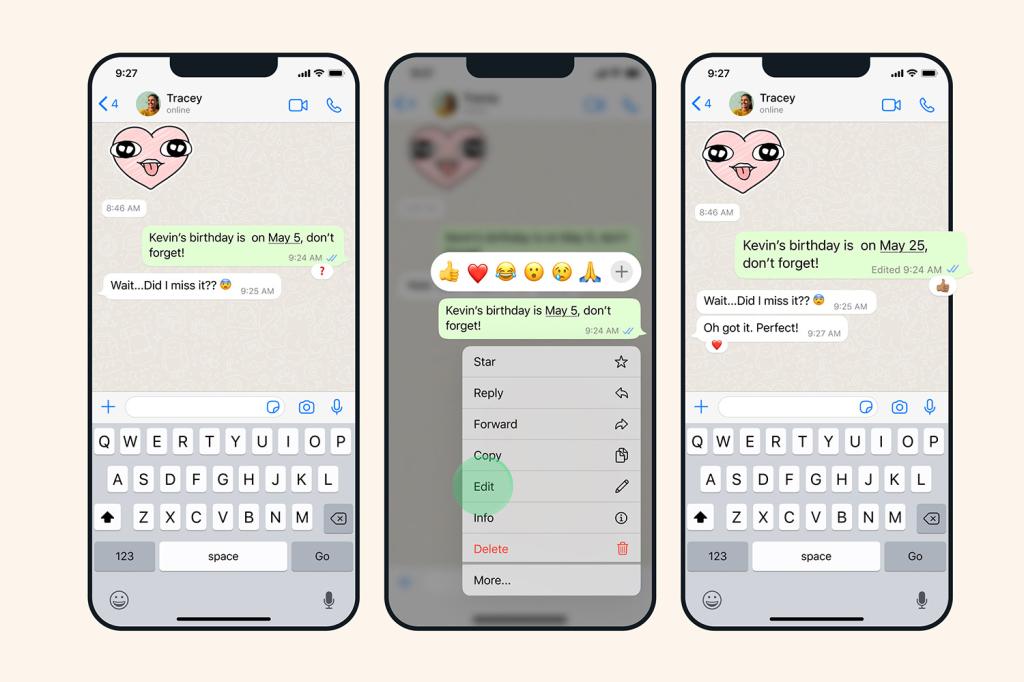
In the UK, WhatsApp is the default communication app for practically everyone. From family and school chats, to the dreaded stag do group, it’s become the de facto method for staying in touch (and sending gifs).
Plenty of Americans, in contrast, still rely heavily on standard SMS and iMessage, which helps explain why the infamous blue bubble versus green bubble debate became such a massive cultural phenomenon.
Owning an Android phone in certain US social circles can still affect group chats, reactions, image quality, and messaging behaviour in a way that feels utterly bizarre to most Europeans.
Different software?
Today, smartphone companies are increasingly caught in a muddled web of red tape that depends on regional agreements, regulations, and carrier support. That means features often launch country by country rather than device by device.
Google’s Call Screen is a solid example. Some versions of the feature remain more advanced in the US than they are in the UK, partly because automated call handling and voice AI systems involve different legal and regulatory considerations depending on the market.
The same thing happened with satellite features – Apple’s Emergency SOS via satellite launched in the US and Canada before arriving in the UK, while some newer satellite-based tools still remain limited to specific countries. On paper, the phones support the same features, but regional availability can look very different.
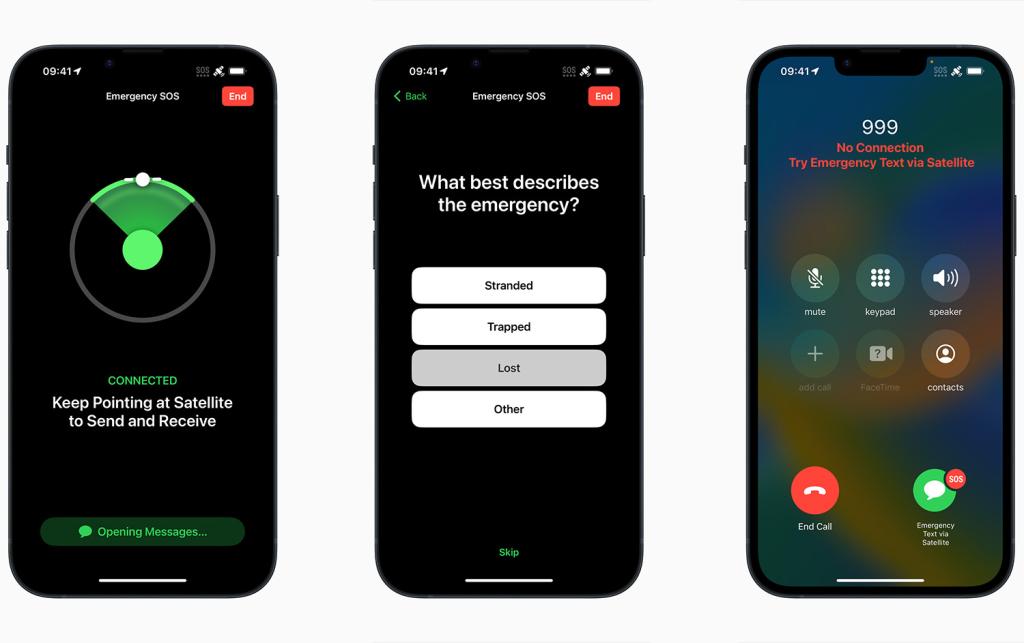
The AI era is making this even messier, too. Features tied to cloud processing, local regulations, carrier agreements, language support, or data laws increasingly arrive unevenly depending on where you live.
Even when Apple, Google, or Samsung announce something globally, there’s often an asterisk attached. If you’re super quiet, you can even hear the collective groan of millions of non-US tech users, who are met with another smattering of new features that they could be waiting more than a year for.
Despite all these differences, you’re not going to feel like an alien if you travel from one side of the Atlantic to the other. Your phone will still work, and you’ll still be able to scroll through cat gifs while you’re treating yourself to another slice of deep-dish pizza (or grabbing your third Yorkshire pudding). Happy travelling.
Liked this? Buying a new phone or laptop in 2026? Here’s why it’ll cost more


Read the full article here
