

Every time Apple launches a new iPhone, it’s safe to assume a few things. Lots of hype, for a start. The words revolutionary and magical are thrown around on stage. And, of course, people outside the US will complain about the price.
Take the launch of the iPhone 17 Pro at $1099 – when users outside the US convert that to their local currency, things don’t exactly seem fair.
The same 256GB iPhone 17 Pro, for example, costs £1099 in the UK. That ain’t cheap, especially when US users appear to be paying exactly the same amount, just with a dollar sign slapped in front of it instead.
But the reality is more complicated than a straight currency conversion. Some of it comes down to tax. Some of it is Apple cushioning itself against exchange-rate chaos. And some of it is simply Apple favouring its biggest market.
If you want a short, definitive answer, though, then yes – Apple gear usually does work out cheaper in America. But those giant keynote prices Apple flashes on screen are only part of the story…
Taxing
The biggest catch is the easiest one to miss – US Apple pricing doesn’t include sales tax.
In the UK, for example, the £1099 price you see on Apple’s website is the actual amount leaving your bank account, as VAT is already baked in. In the US, though, the final sales amount depends on where things are being purchased.
Buy that 256GB iPhone 17 Pro in New York City, and the final price jumps to roughly $1196 after tax is added. California pushes it to around $1179 before local district taxes even start joining the party. Oregon, meanwhile, has no statewide sales tax at all, so buyers there can pay the sticker price.
It’s still worth noting that even after tax gets added, the US still often comes out cheaper overall. At current exchange rates, Britain’s £1099 pricing still works out noticeably higher than the equivalent US pricing in plenty of states, even after sales tax gets slapped on top.
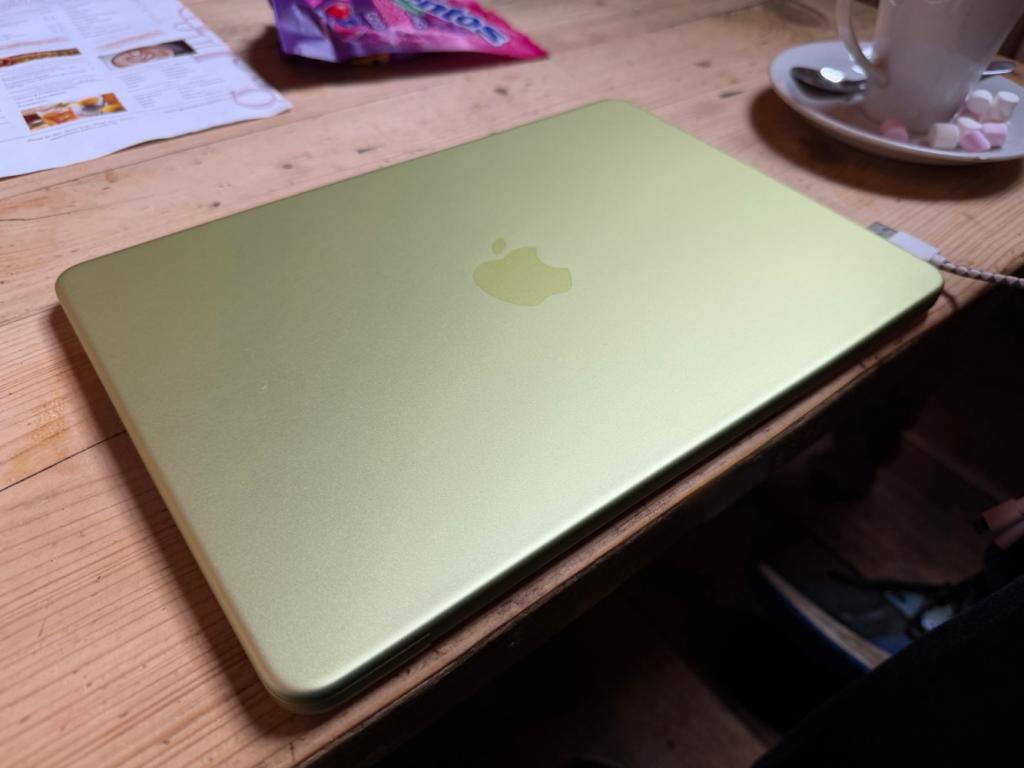
And it’s not just iPhones, either. The MacBook Neo starts at $599 / £599, and the MacBook Air is priced at $1099 /£1099. Elsewhere, there’s the MacBook Pro and iMac, both of which also have identical price stickers in the US and the UK.
While VAT explains part of that gap, there’s another factor to consider as well. Import costs, taxes, local regulations, and exchange-rate protection all play a role, too. From what we’ve seen in the past, Apple also doesn’t tend to adjust UK pricing with short-term currency fluctuations, which can cause regional pricing gaps to widen over time.
All that aside, the US is also Apple’s most aggressively priced market, likely because it’s the most important to them.
How we buy iPhones
Another thing to consider is the difference in how US and UK consumers buy phones (which we’ve previously touched on in our US vs UK smartphone feature). In the UK, more and more people are buying phones outright, and pairing them with cheap SIM-only plans. Others finance directly through Apple. Either way, the phone itself increasingly feels separate from the network contract.
The US, however, still revolves around carriers in a much bigger way. Walk into an American carrier store, and you’ll immediately get bombarded with giant trade-in offers, deals, and financing plans stretching across 24 or 36 months. The phone, the data plan, the upgrade cycle, and the monthly payment all blur together into one massive subscription.
UK networks still do similar deals, but nowhere near as aggressively as they once did. Research from CCS Insight suggests that SIM-only plans now make up a bigger share of the UK market than traditional bundled handset contracts, while providers like Giffgaff, Smarty, Voxi, and Lebara have helped make cheap, flexible plans completely normal.
For lots of Americans, then, the actual upfront price of a flagship iPhone is viewed from a different perspective, because everything gets rolled into monthly payments and trade-in credits. The cost becomes strangely abstract.
Apple Care and other options
Beyond devices, Apple’s protection plans are surprisingly different across the Atlantic, too.
In the UK, AppleCare+ for the iPhone 17 Pro costs £8.99 monthly or £179 for two years, while AppleCare+ with Theft and Loss jumps to £11.99 per month or £239 upfront. In the US, AppleCare+ with Theft and Loss costs $13.99 monthly or $139.99 annually for the same phone.
At first glance, the services look fairly similar. Both regions offer things like accidental damage cover, Express Replacement Service, and theft and loss protection for supported devices.
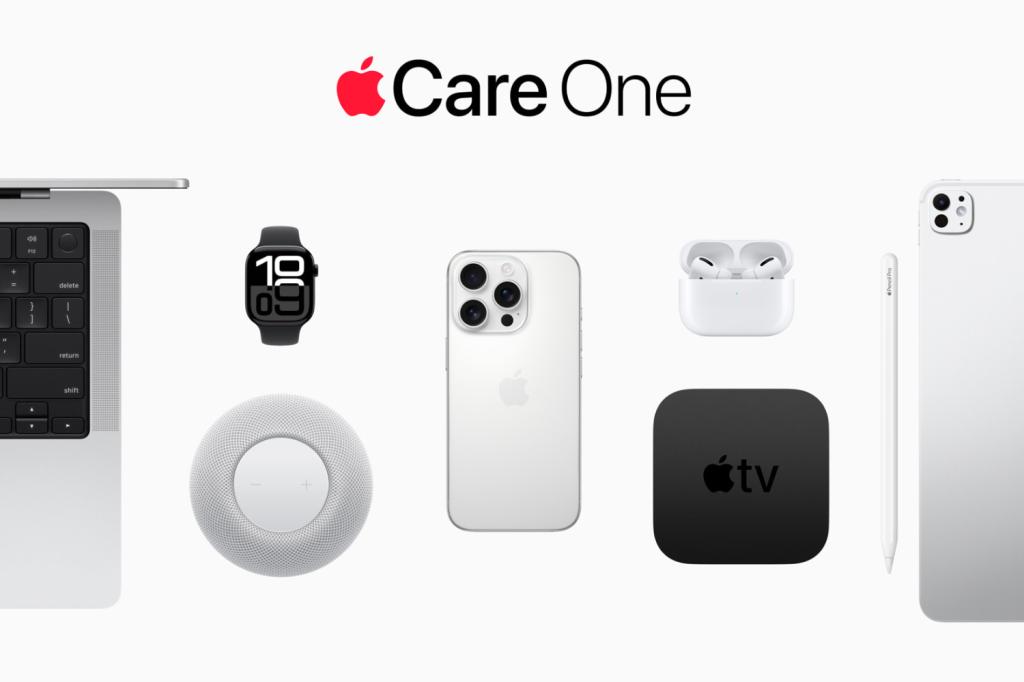
But while the pricing might look fairly similar on paper, the systems behind those plans are quite different. Apple launched AppleCare One in the US in 2025 as a subscription bundle covering multiple Apple devices under a single monthly plan.
In the UK, though, AppleCare sits alongside much stronger built-in consumer protections. UK plans are regulated through the Financial Conduct Authority, while British consumer law already offers stronger protection against manufacturing defects than many Americans get by default.
Even international support gets messy. AppleCare plans are generally designed to work in the country where the device was purchased, and theft or loss claims can become more complicated abroad. So buying a cheaper iPhone in the US and bringing it back to the UK isn’t always as straightforward as it sounds once support and servicing enter the equation.
And there you have it – just some of the differences in Apple’s prices and plans both within and outside of the US.
Liked this? Every Apple iPhone ranked in order of greatness


Read the full article here
