






Since I started my fitness journey a few years ago, my smart scale has become an invaluable tool for tracking progress (while making sure I don’t slip too far back into bad habits). And that’s why Withings’ new, cheaper smart scale has caught my eye.
While weight is important, it doesn’t tell the full story. If you hit the gym and lift regularly while keeping your diet in check, chances are that your BMI, like mine, is technically on the overweight side. A smart scale, though, can take certain measurements to estimate your actual body composition, letting you know things like how your fat and muscle mass percentages change over time.
If you train regularly, you could technically be overweight from a strict BMI sense, but if you’ve built plenty of muscle on your frame, it can skew the results, which is why it’s far more useful having a smart scale to give you a more complete picture.
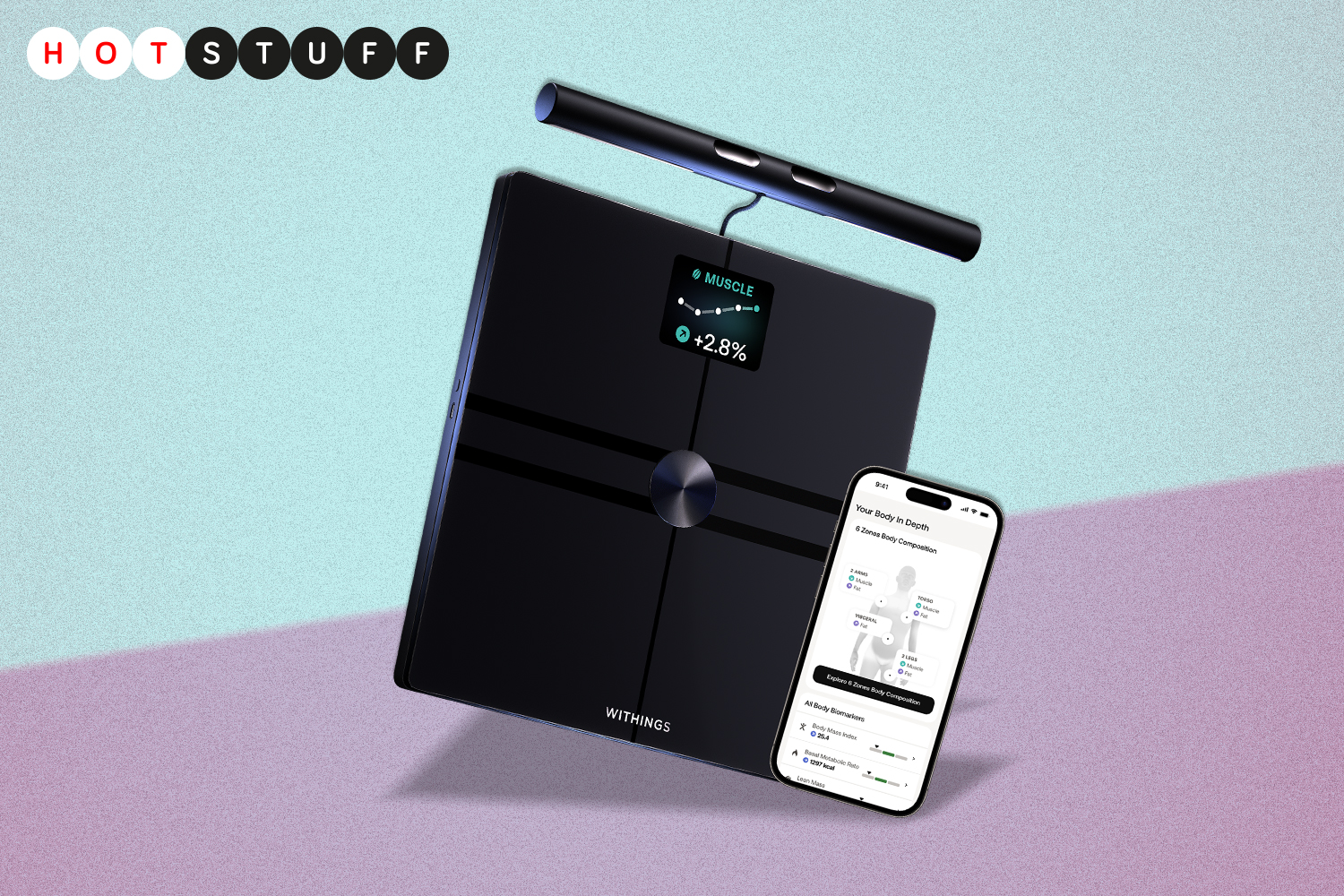
On that note, the new Withings BodyFit sits between the company’s entry-level scales and its premium Body Scan range. Launching on 1 July priced at $279.95 / £229.95, it costs considerably less than its pricier $499.95 / £349.95 Body Scan sibling, while retaining one of its most distinctive features – a retractable handle that lets the scale analyse far more of your body than traditional foot-only smart scales.
Together with four electrodes built into the scale itself, the handle lets the BodyFit perform a six-zone body composition scan, measuring fat and muscle mass across different parts of your body rather than simply providing a single overall percentage. According to Withings, the process takes around 10 seconds, delivers more than 40 health metrics, and is up to three times faster than many competing segmental body-composition scales.
The timing of the launch feels deliberate – Withings is positioning BodyFit at people using GLP-1 weight-loss medications like Ozempic and Wegovy, where rapid weight loss can sometimes be accompanied by unwanted muscle loss. Rather than simply celebrating a lower number on the scale, the idea is to help users see exactly what kind of weight they’re losing and where those changes are happening.

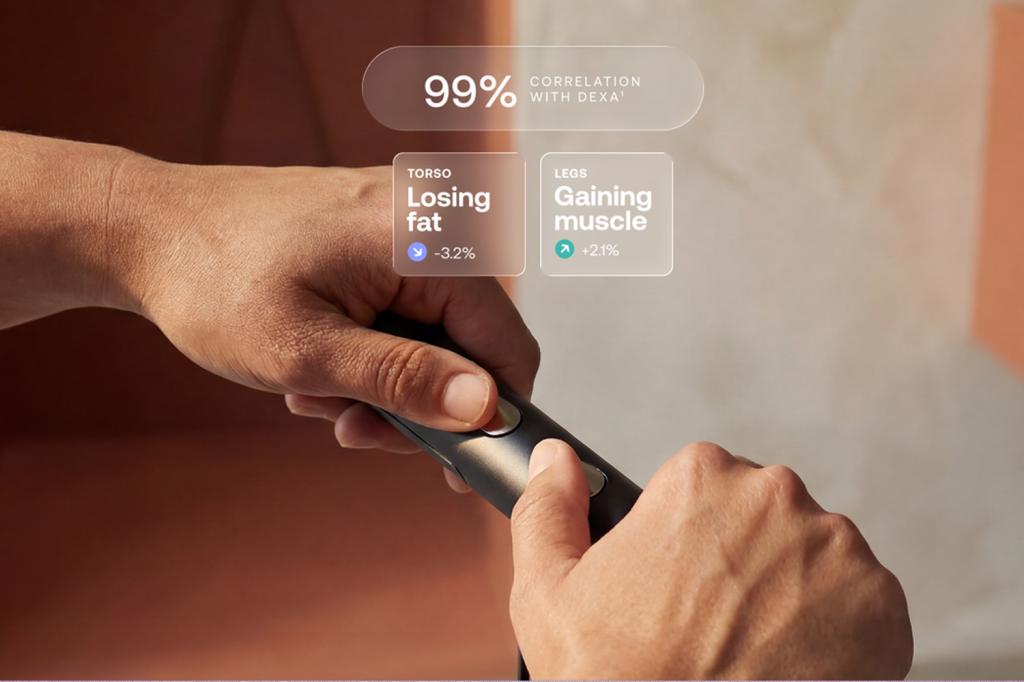
To do that, BodyFit uses Bioelectrical Impedance Spectroscopy (BIS), sending tiny electrical currents through the body at multiple frequencies to estimate muscle and fat composition. Withings says that internal validation work conducted with French sports-health centre Mon Stade showed up to 99 per cent correlation with DEXA scans for fat mass and up to 98 per cent correlation for muscle mass. DEXA scans are widely regarded as one of the most accurate methods of analysing body composition, although they’re typically carried out in clinical settings rather than at home, so this is an impressive achievement if it delivers in the real world.
The scale also connects to the Withings app, which provides personalised coaching, calorie balance estimates, habit recommendations, and longer-term trend tracking. A one-month trial of the company’s Withings+ subscription service is also included, giving access to its AI-powered Health Assistant.
What you don’t get compared to the more expensive Body Scan, are some of the advanced cardiovascular tools. The flagship model adds features such as a 6-lead ECG and vascular age monitoring, which help explain the price difference.
Still, for people who care more about body composition rather than cardiovascular diagnostics, the BodyFit looks like a more attainable way into Withings’ most advanced health-tracking technology. And for anyone trying to lose fat without sacrificing muscle, that’s a far more useful metric than weight alone.




Read the full article here


