







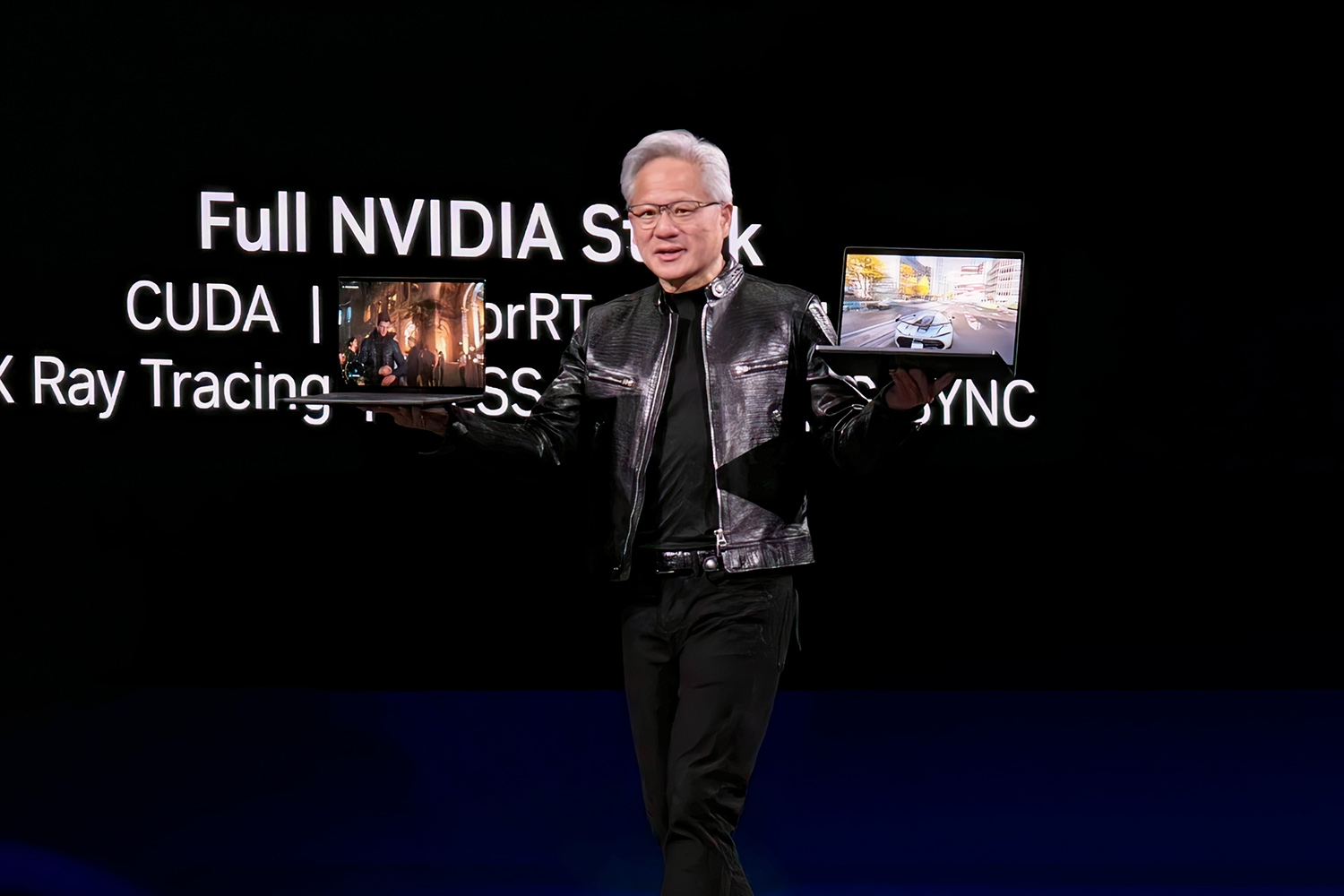
Have we just entered “a new era of PC”? That was Nvidia’s bold claim as it officially revealed the RTX Spark, a new processor aimed squarely at the Intel/AMD (and to a lesser extent, Qualcomm) establishment. Big-name manufacturers including Dell and Microsoft are already queuing up. Here’s what it could mean for your next laptop.
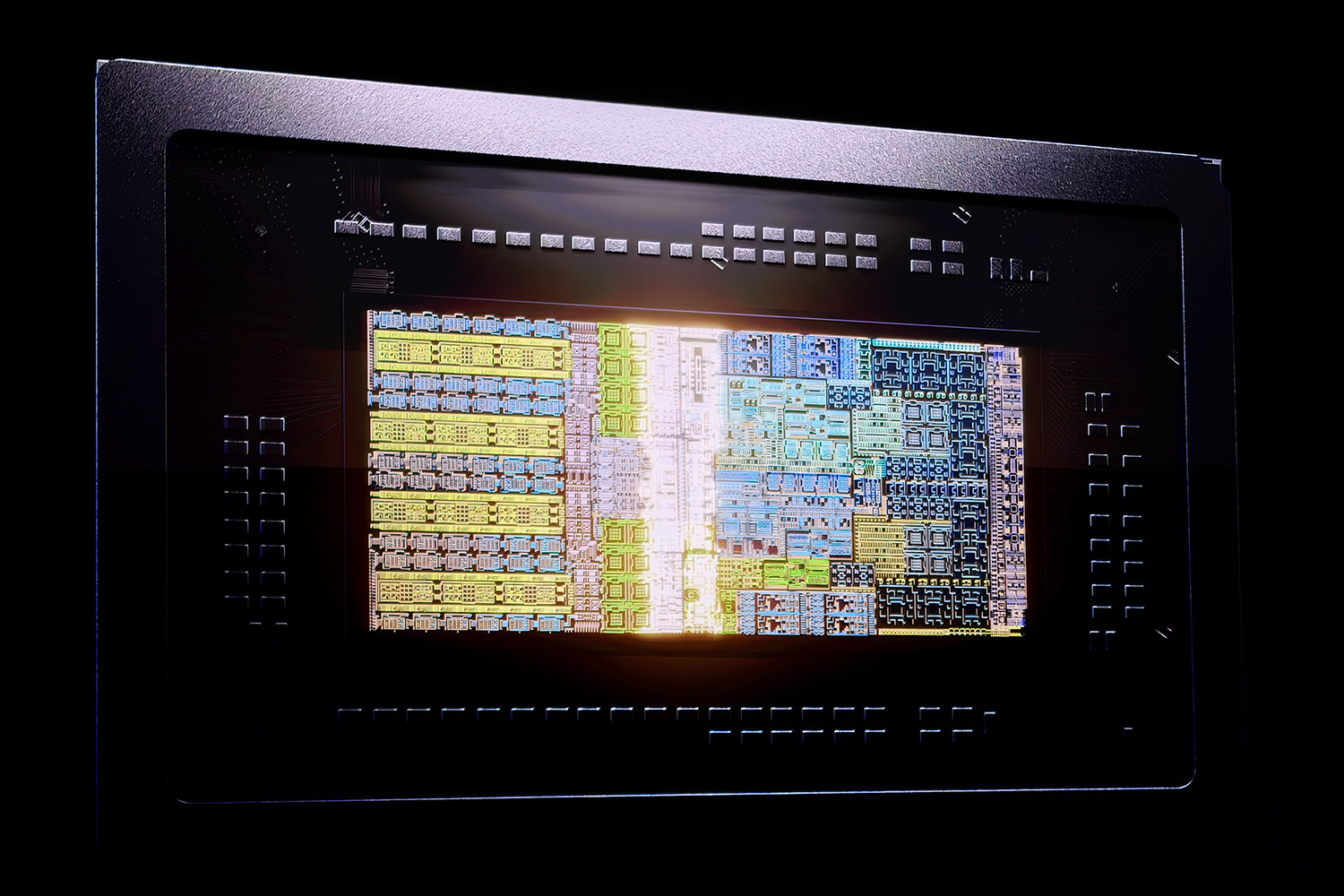
The RTX Spark is essentially a Windows-friendly version of Nvidia’s GB10 ‘superchip’, which powers the firm’s AI- and developer-focused DBX Spark mini-PC. Each one has multi-core CPUs based on ARM architecture and graphics cores based on the same Blackwell platform as the firm’s 5000 series graphics cards – which should mean they’ll be potent performers for desktop duties, creative apps and games, as well as on-device artificial intelligence. Nvidia says it has been working with Microsoft to get Windows 11 in better shape to run AI agents on-device using the new hardware.
Early leaks suggested there would be multiple versions the chip, codenamed N1 and N1X, but so far Nvidia is only talking about the top-end RTX Spark. It will have 20 CPU cores and 6144 CUDA cores, support up to 128GB of unified memory, and run in a 45-80W power window. Nvidia will likely be targeting AMD’s ‘Strix Halo’ Ryzen processors and Intel’s Series 3 Core Ultra 9 chips here.
Performance looks promising on paper, with Nvidia touting 12K video editing, 100fps AAA gaming at 1440p resolution, and the ability to run 120 billion-parameter local language models (LLMs) on-device. “All-day” battery life is also on the cards.
A step-down model is expected to get 18 CPU cores and 5120 CUDA cores, while more mainstream versions will reportedly have either 12 CPU cores and 2560 CUDA cores, or 10 cores and 2048 CUDA cores. Maximum memory capacity here should be 64GB, and power range is a lower 18W to 45W. That’ll make them better suited to lightweight laptops, with Intel’s Core 7, AMD’s Ryzen 400 and Qualcomm’s Snapdragon X2 Elite being the competition.
There’ll be RTX Spark laptops with 14in and 16in screen sizes; all promise aluminium chassis, OLED display panels with Nvidia G-sync variable refresh tech. Among the first will be a version of the Dell XPS 13; an Intel variant of the (surprisingly affordable) ultraportable was only revealed earlier this week. Asus and Lenovo will reveal their initial RT Spark efforts imminently. Microsoft is also gearing up to launch an all-new Surface.
This won’t be the first time Nvidia silicon has powered a Surface device. Back in 2012 the Surface RT used an Nvidia Tegra chip and ran the cut-down Windows RT 8.1. Microsoft has learned plenty about running Windows on non-x86 hardware in the decade and a half since then, although a lot of recent Windows on ARM groundwork was done by Qualcomm for its Snapdragon X and X2 Elite chips.
We can expect laptops to go on sale around September 2026. The biggest question right now is pricing.
Announced during the firm’s keynote presentation at the Computex trade show in Taiwan (home turf for CEO Jensen Huang – you’ll see his face countless times in photos pinned to Taipei’s night market stalls), RTX Spark could potentially be the biggest shakeup of the PC industry in decades. While Qualcomm made a splash with Snapdragon X Elite in 2025 – and stands to gain even more ground with the more powerful Snapdragon X2 Elite this year – it’s still very much in third place behind front runners Intel and AMD.
If Team Green wants a piece of that action, it’s hard to see what those rival firms can do about it: Nvidia is the world’s most valuable company, with an outrageous market value of over $5 trillion.
Almost all of that value came in the last six years, thanks mainly to the firm’s starring role in the booming AI industry. The tech world’s obsession with artificial intelligence has also sent the cost of memory and SSD storage sky-high, leading to dramatically increased prices for PC hardware and consumer electronics in general. With Nvidia also using its Computex keynote to big up its AI supercomputers, that’s unlikely to change any time soon.




Read the full article here


