







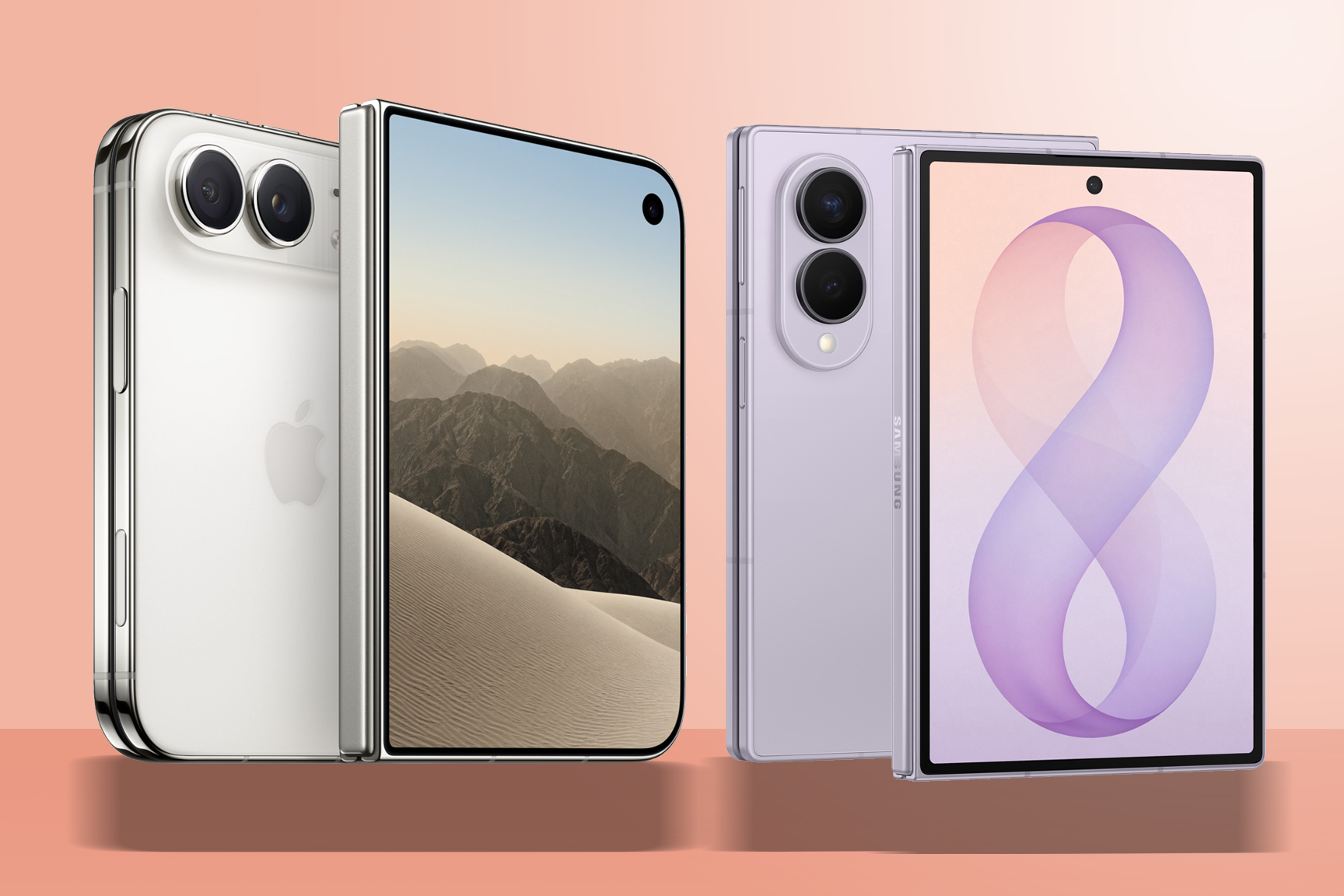
Apple may be new to the foldable phone game, but the tech giant has clearly been paying attention to what the competition has been up to for the best part of the last decade. The upcoming iPhone Duo seems to have gotten a few things right at the very first time of asking, addressing issues that Android-based rivals haven’t managed to crack after multiple tries.
Does that mean I’m expecting it to be the perfect book-style foldable when it lands on October 23? Not at all. As a regular foldable user – most recently the Galaxy Z Fold8, but the Galaxy Z Fold7 and Oppo Find N6 each had months-long stints in my pocket before that – I can already see areas where Apple has a few lessons left to learn.
Where the iPhone Duo could beat every Android foldable
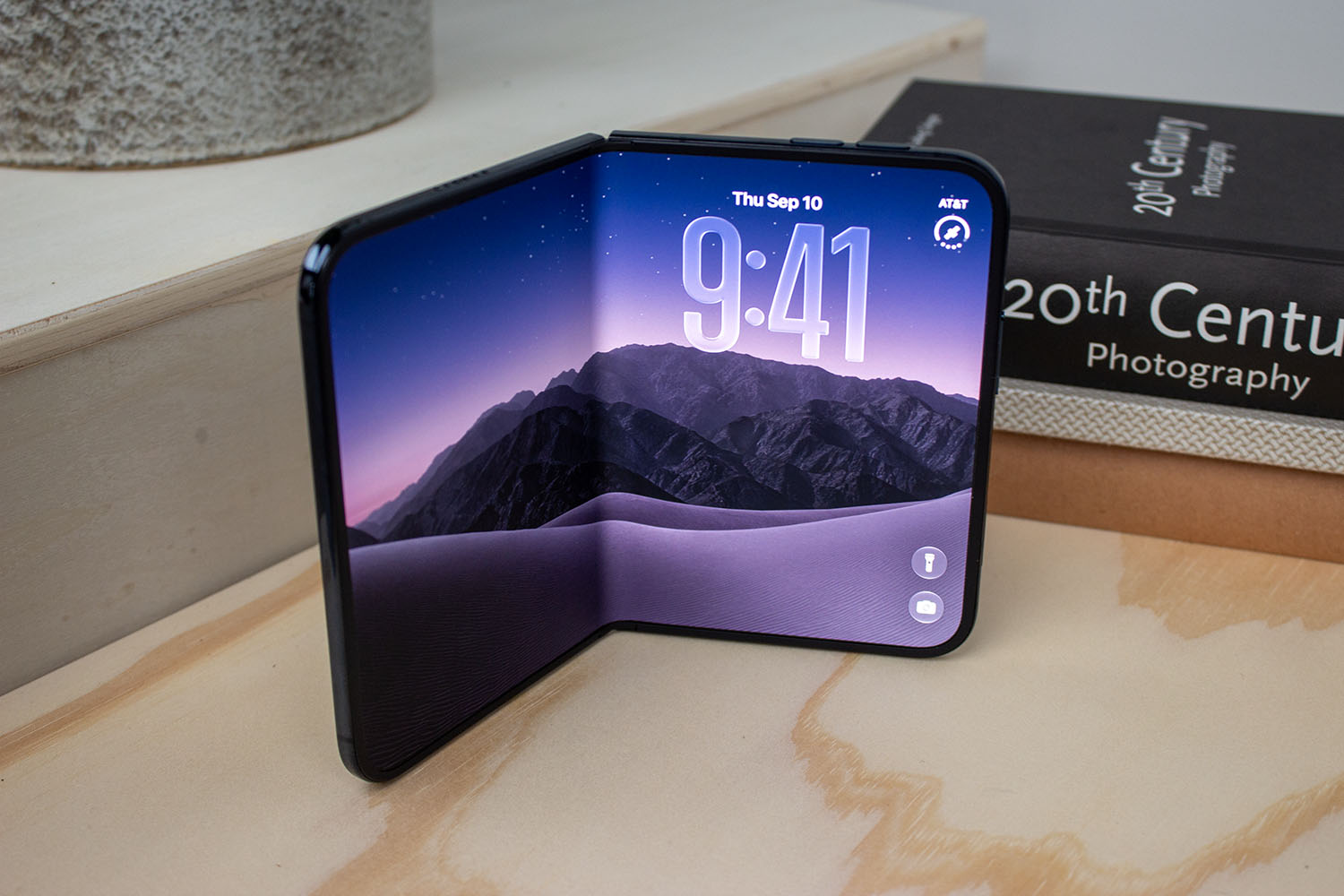
After Stuff got an early hands-on following the official unveiling, it was clear to me Apple has cooked up a seriously impressive handset on the hardware side – yet it could be the iPhone Duo’s software that stands out more.
A matte screen makes the difference
While foldables in general have come a long way from the early days of easily-peelable screen protectors that felt cheap and plasticky, there’s still a disparity between outer screens (which use regular glass) and inner ones (which use ultra-thin glass, or UTG, plus a protective layer. These layers are usually glossy, pick up light reflections very easily, and accrue fingerprints at a rapid rate.
Apple’s matte, nano-texture coating dodges those bullets, while also making the crease nearly impossible to see unless you hold the phone at extreme angles. I’m fully expecting Android rivals to follow suit for their next foldable generations.
Handoff between screens that looks effortless
I’m not just talking about the fancy blur effect that kicks in when opening or closing the iPhone Duo; the way apps aren’t bamboozled when swapping between screens is something Apple has clearly paid attention to. I hate how certain Android apps either jarringly re-render when moving from inner to outer display – or worse, refuse to budge their UI elements at all, leaving you feeling cramped.
Get developers on board ASAP
The above point doesn’t just apply to Apple’s own apps, because the firm holds such a tight grip over UI elements. Third-party developers might have to jump through hoops to get listed in the App store, but it means they don’t have to adapt their apps to play nicely with the new form factor – it largely just works.
Having one set of resolutions and aspect ratios to respect helps, of course – it’s something Android’s more open hardware and software ecosystem really struggles to match. I feel it’s up to Google to either tighten the leash a bit, or at least give developers a helping hand to improve support for foldables.
The interface can be entirely different from normal phone
Shifting the outer display’s interface to a more vertically-minded layout might sound confusing to long-time Apple users, but if it makes things easier to reach (and require less scrolling) then I’m all for it. How this holds up in everyday use remains to be seen, but I’m confident it’ll quickly become second nature.
In comparison, Android foldables can feel like they’re being retrofitted, or lumped with interfaces meant for non-folding handsets. Having to scroll the Galaxy Z Fold8’s quick settings menu because it wasn’t tweaked to fit the passport-style screen? Yuk.
Where Android foldables still hold an advantage
None of the above is me saying other foldable phone makers need to tear up their product plans and copy everything Apple does. The iPhone Duo clearly still has a few lessons left to learn from rivals that are doing things better.
Cameras that aren’t a compromise
Once you’ve used a phone with a decent zoom lens, it’s really tough going back to one that can only manage 2x before quality starts to dip. Apple’s decision to stick with two rear cameras means the iPhone Duo relies on digital zoom and algorithmic cropping for anything further, instantly putting it on the back foot compared to rivals with dedicated hardware.
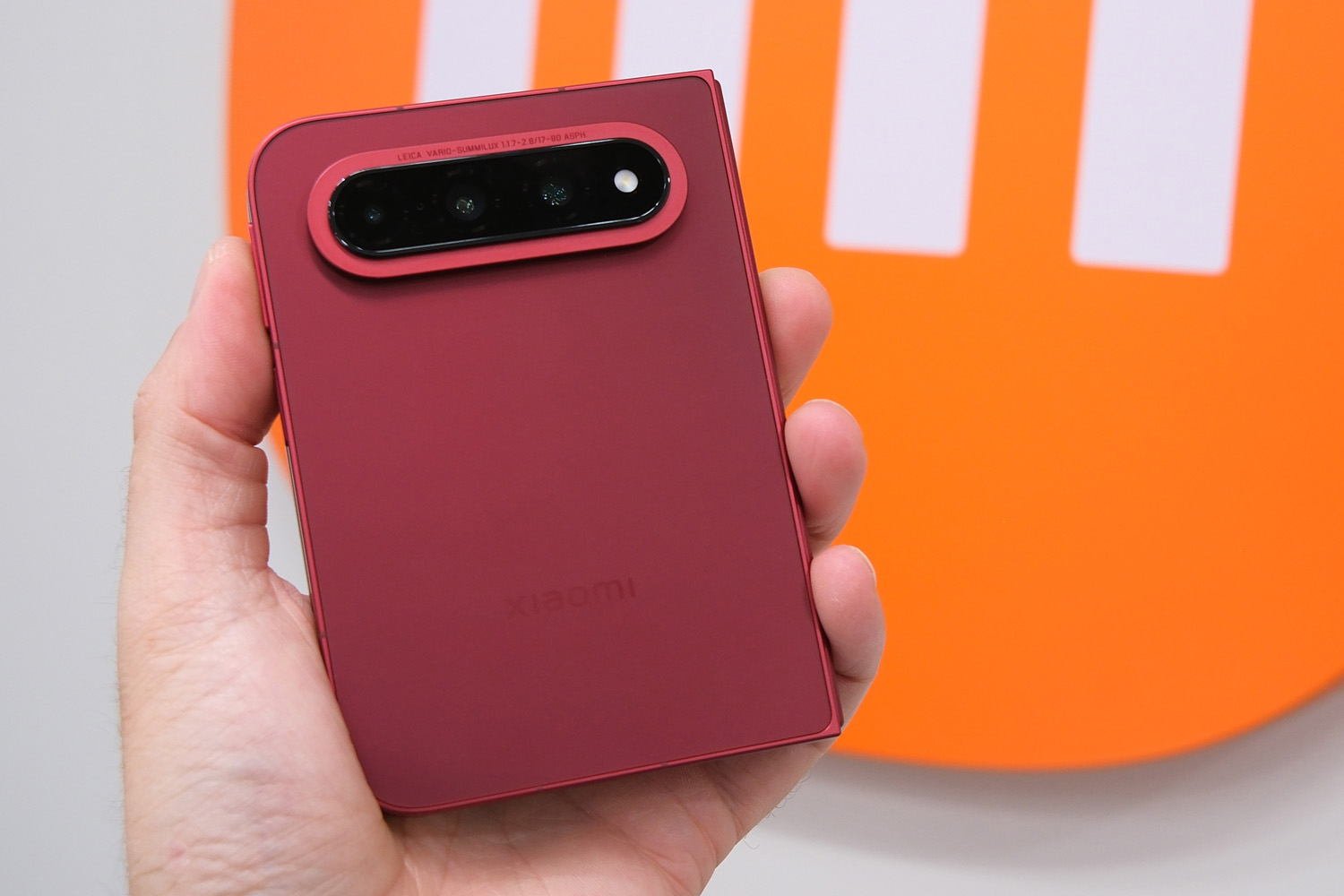
There’s currently only one passport-shaped foldable with three rear snappers: the Xiaomi 18 Pro Fold. Its 50MP telephoto is good for a portrait-friendly 3.5x magnification, letting you get a lot closer and bringing more convincing, natural bokeh depth blur for good measure. At least in theory – we’ve yet to review either phone, so whether that hardware gap translates to truly better pics on the Xiaomi remains to be seen.
Not everyone wants short and wide
Look around the Android world and there’s no shortage of foldable variety. Before Apple tapped up Samsung’s display division for a passport-sized flexible OLED panel, everyone was happy with taller, slimmer book-style handsets. The iPhone Duo has changed that, with Samsung, Huawei and Xiaomi all already in on the action and rivals likely to follow.
No-one has said they’re planning to phase out their tall foldables, though – leaving customers with a choice of sizes. It’s something Apple customers don’t have. Either like the iPhone Duo’s form factor, or lump it.
Put a ceiling on prices
No book-style foldable is cheap, but Apple’s $2000 starting price is still a tricky pill to swallow. Samsung’s Z Fold8 is a close match on hardware yet costs a fair bit less (a considerable £400 in the UK); Xiaomi and Huawei undercut Apple by a huge margin in their native China, where tariffs, import taxes and the like aren’t as big a deal.
The increasing costs of consumer memory and storage aren’t helping matters, of course. It’d be nice to think consumer tech will get a little more affordable once things stabilise, but equally once Apple has convinced the phone-buying public to part with $2k, I find it unlikely they’ll change course. Still, a foldable fan can dream…




Read the full article here


