






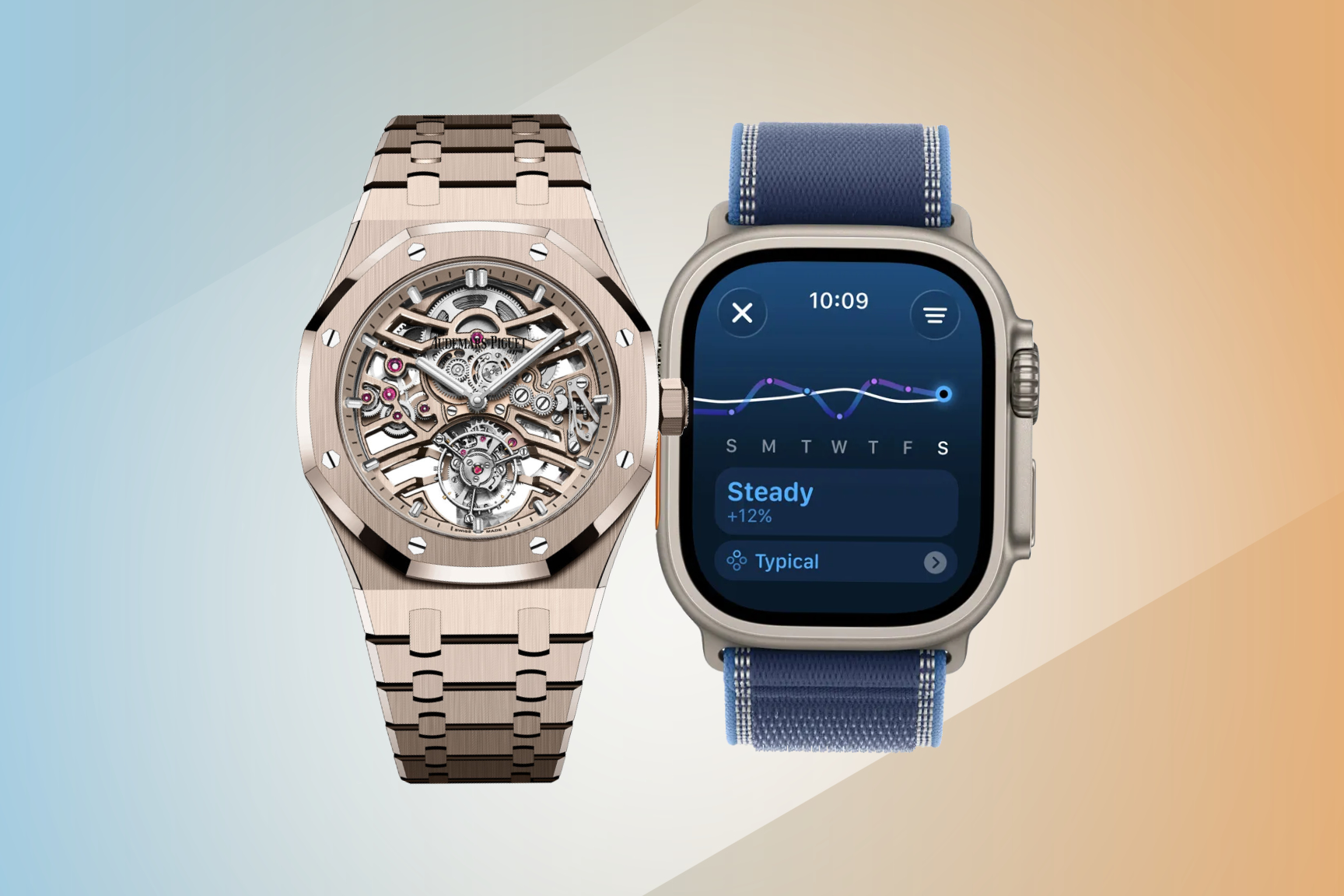
When the Apple Watch first came out, the uninitiated assumed it would be the death knell of mechanical timekeeping. Why would you ever need another watch? And yet wristwatches haven’t just held on; they’re on the up. Why?
Put simply, there are some things that wristwatches can do that no amount of interconnected tech can replace – as well as some things they can’t.
Here then are seven reasons mechanical watches are better than the Apple watch (or any other smartwatch) – as well as three reasons they aren’t.
What mechanical watches can do better:

1. Unlimited Battery Life
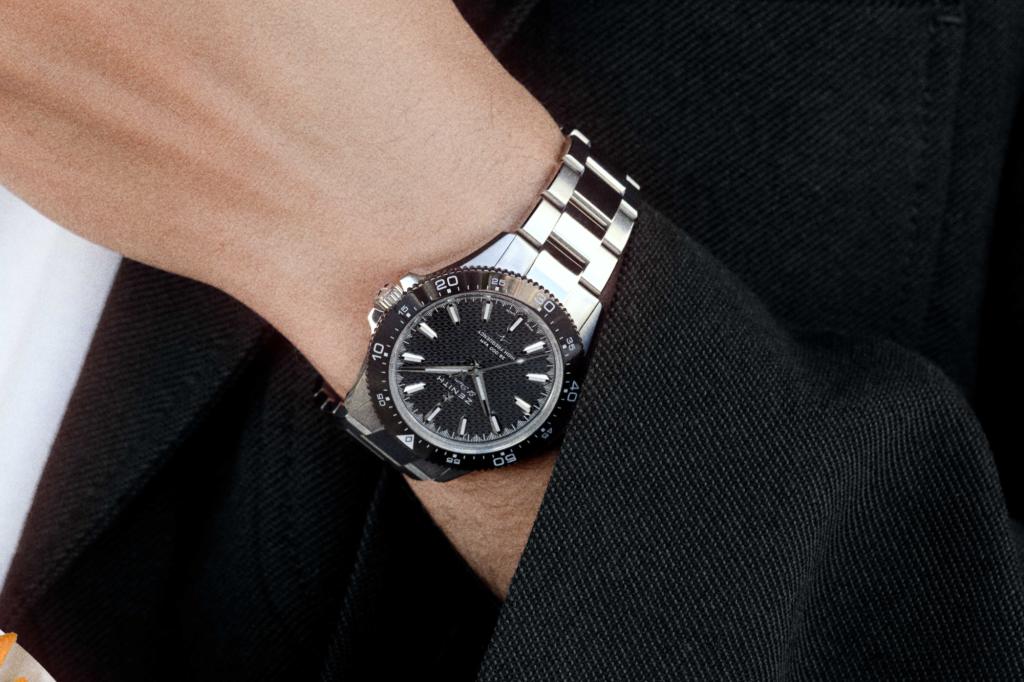
Nothing’s worse than the panic of running low on juice and while current generations of Apple Watch have stretched their charge to around 42 hours (if you’re not using it constantly), mechanical watches are well ahead of the game.
The common Japanese workhorse Miyota 9015 automatic movement has 42 hours to start and unlike your Apple Watch, the more you wear it, the longer that reserve. The movement of your wrist moves a rotor and winds the watch, meaning that it will never run out of ‘charge.’
2. Completely Future Proof
When you buy an Apple Watch the clock’s already ticking towards it becoming redundant as software upgrades or battery degradation kill it off. On the other hand, you can still buy wristwatches made a century ago and they’ll be working perfectly.
That just doesn’t happen with electronics, even at your local retro gaming shop, and if you buy even an entry-level mechanical watch today you know that it’ll be working in 10, 20, 50 years’ time. If you get it serviced once in a while, at least.
3. A Better Investment
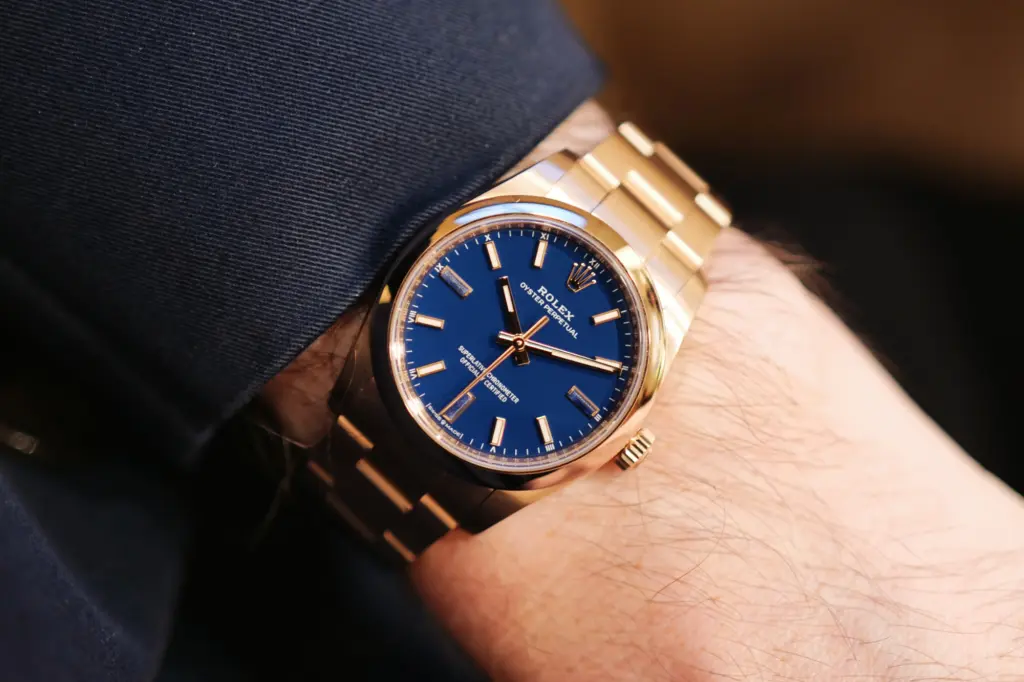
As soon as you open the box of your shiny new connected watch, it starts to devalue and trying to flip it after a year is inviting a loss. Not so watches. At the higher end, watches are considered a genuine investment asset, with serious independents and in-demand integrated bracelet models swapping hands for well above retail.
At the lower end, your average Christopher Ward Sealander isn’t going to pay off your mortgage after a couple of years, but it will hold its value nicely, enough that when you do decide to upgrade it’ll be a smaller jump than you expect.
4. Genuinely Interesting Conversation Starters
If you were to start talking to someone about the many, varied features of your Apple Watch, prepare to watch their eyes glaze over. Even worse if you start talking about your sleep scores. But where a smartwatch is all about its immediate features, mechanical watches are about so much more.
Some models have such rich, varied and impressive histories that whole books are written about them. Whether it’s designed for space travel or deep-sea diving, worn by on-screen superspies or ex-US presidents or housing complications that seem impossible, there’s a lot to talk about – all a lot more interesting than the resolution of your display.
5. A Reflection of Personality
An Apple Watch is an Apple Watch and while you can change the glorified screensaver that acts as a dial, you can’t change its fundamental look, one that’s only reflective of your personal style if you’re Tim Cook.
Mechanical watches are almost infinitely varied. There are big, macho chunky pieces from the likes of G-Shock and Panerai; Art Deco elegance from Vario and Cartier, and sleek, sporty, integrated bracelet watches from Tissot and Audemars Piguet.
There’s a style that fits you at a price point that works, all with genuine personality. Your choice of mechanical watch says a lot about you as a person; your choice of Apple Watch says you probably have an iPhone.
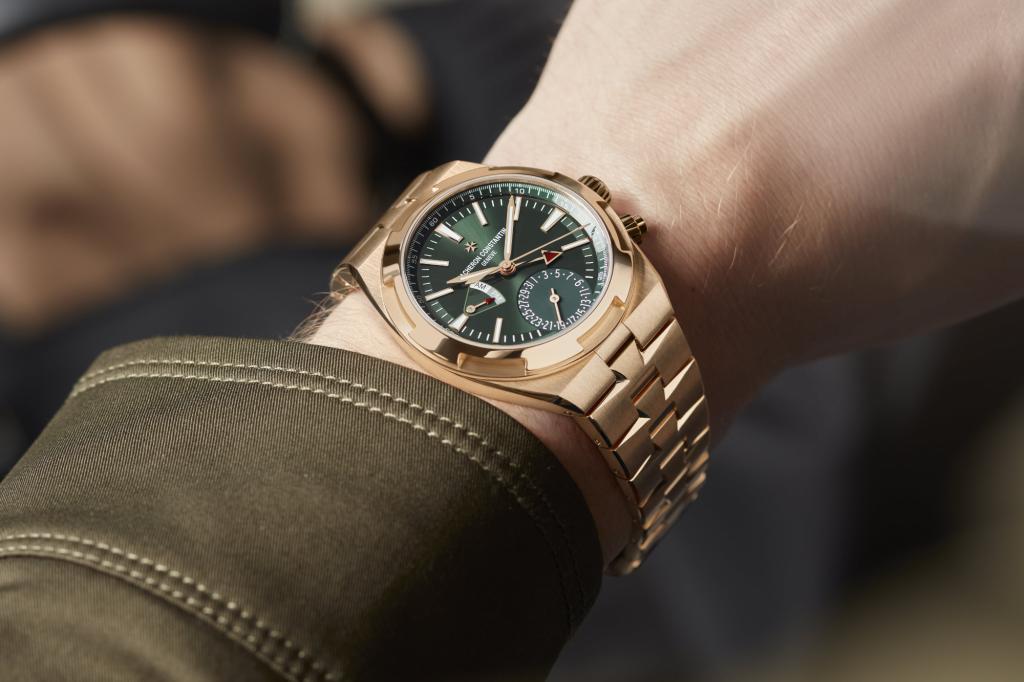
6. Obsessive Collectability
Once you’ve unboxed your Apple Watch, downloaded all your apps and have finally wrangled everything into working smoothly, you’re done. Where do you go from there? Yes, you can find the perfect mechanical watch for you and stick there, but more often it’s only the start of what can be a lifelong collecting journey.
You might want to make sure you have a watch for every occasion or, like me, get as specific as collecting vintage bumper movements.
The more you collect, the more you get sucked in and want to collect more. There’s nothing like hunting the next key piece in your jigsaw of a collection – even if there should probably be post-collector support groups.
7. Beautiful Craftsmanship
There are near-constant headlines about beautiful, hand-crafted timepieces with lavish finishing and metiers d’art ad nauseam. But even at the lower end, a well-made enamel dial or a movement replete with Geneva stripes is a beautiful thing.
Yes, they might not be made by one Swiss savant living in the mountains, but there’s still a level of craftsmanship there that the average mass-produced Chinese smartwatch just doesn’t have. You can’t bevel a motherboard.
What mechanical watches can’t do better:
1. Timekeeping
An Apple Watch is synced to global timekeeping and varies by amounts so minute that they’re functionally non-existent. That puts them miles ahead of a mechanical watch’s purported raison d’être. A watch at its basest level if meant to tell the time and an Apple Watch does it so much better.
At the same time, if you believe that’s a watch’s only reason for existing, then you probably want to scrap every classic car in favour of a fleet of Tesla.
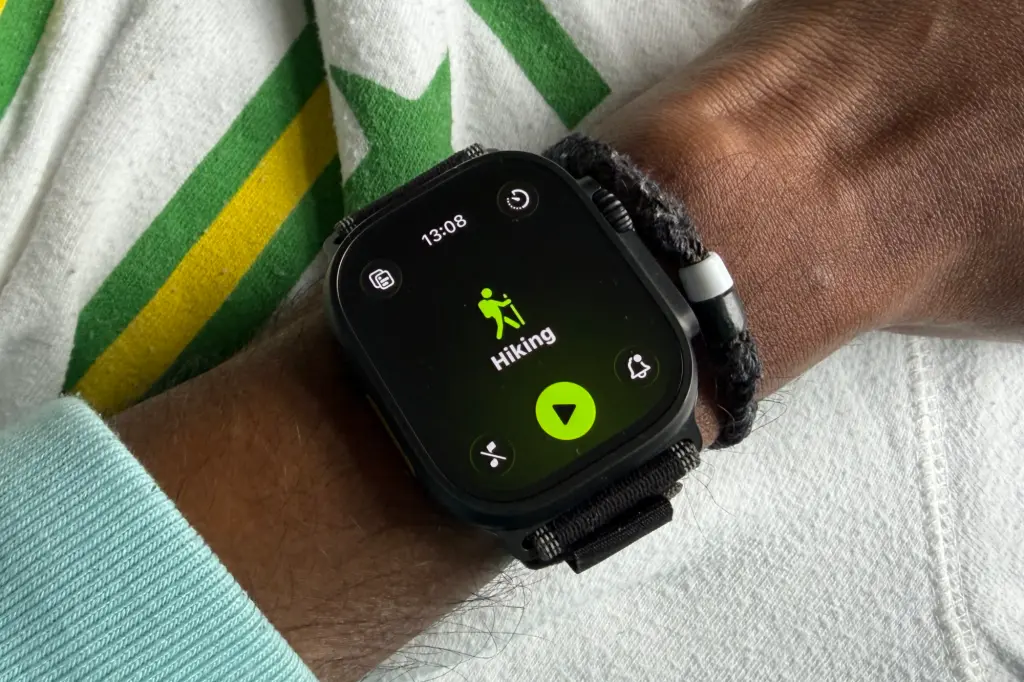
2. Fitness Tracking
Do you hate yourself? Do you want a constant reminder that you’re not pushing yourself hard enough, that you have another five hours of running to go before you burn off that cheat lunch? Then the Apple Watch is for you.
A mechanical wristwatch won’t track your heart rate or your hours of sleep; it won’t notify you that you’ve skipped leg day. it won’t judge you like that.
3. Keep you connected
A wristwatch can’t show you your emails. It can’t let you know when your latest breakfast photo is blowing up on Instagram and you can’t yell into it in public and expect an answer.
A mechanical watch is a static, unconnected object and, if reaching into your pocket for your phone is just too great a delay, then you likely need Ritalin more than a timepiece.
Liked this? I swapped my Apple Watch for a mechanical watch 10 years ago, and I’ve never looked back




Read the full article here


