

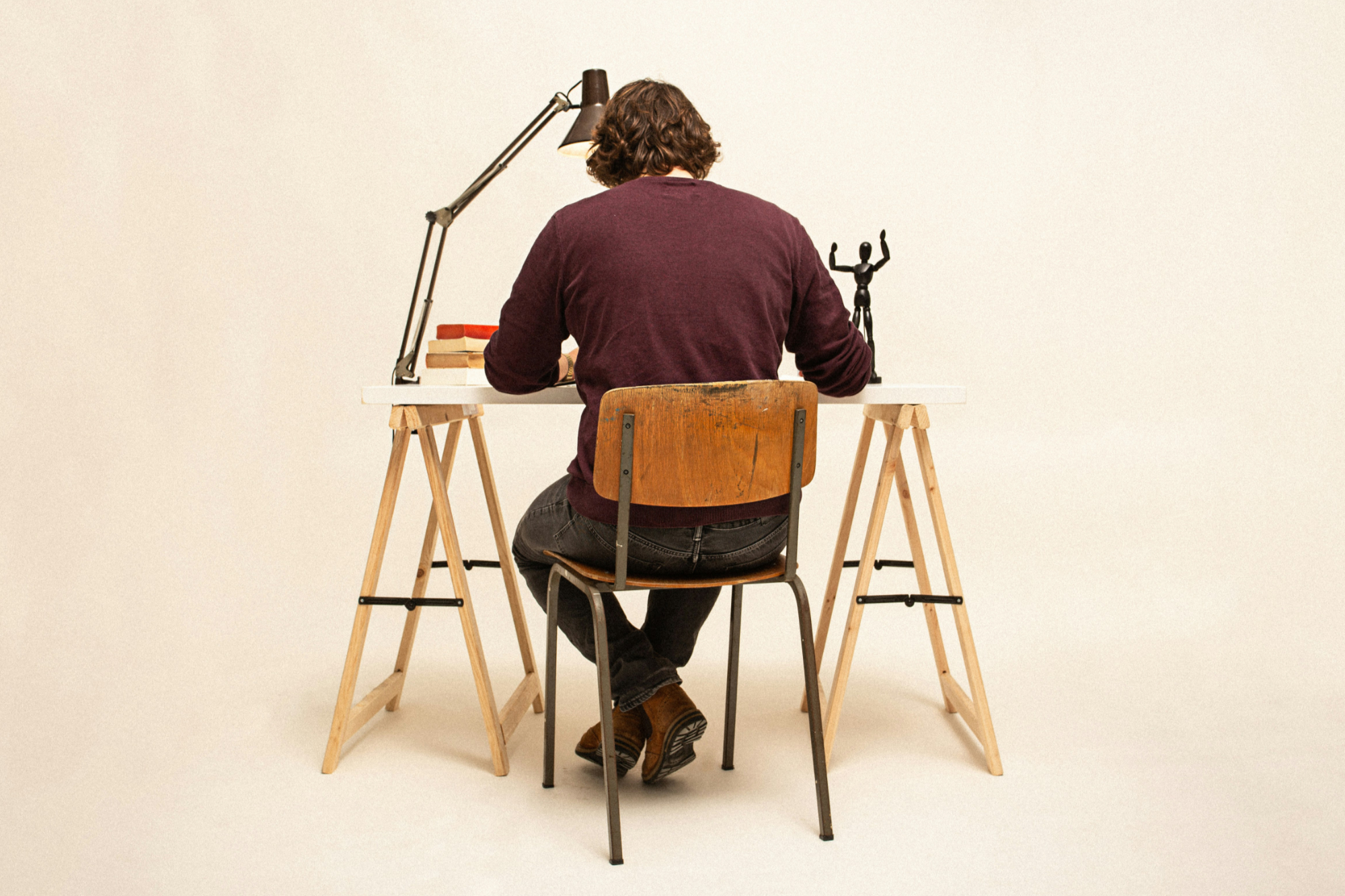
If your average working day involves eight straight hours hunched over a laptop while slowly fusing into your office chair, congratulations: you’re officially living the 21st century dream.
Unfortunately, your neck, shoulders, hips and lower back probably disagree.
According to the very flexible Camryn Roberts, Pilates instructor at Pure Sports Medicine, sitting itself isn’t necessarily the villain.
“Many of us spend eight or more hours a day sitting, but it’s not necessarily the position we’re sitting in that’s the problem — it’s how long we stay there,” she explains. “Regular movement throughout the day can help reduce stiffness, improve circulation and ease the strain that builds up in areas such as the neck, back, shoulders and hips.”
There’s also no such thing as the “perfect posture”, as Roberts says current evidence suggests that there isn’t one ideal sitting position,” she says. “Your next posture is often your best posture.”
In other words: your body would quite like it if you moved than the three yards to the toilet every few hours.
But according to experts, there are simple excercises that not only help mitigate seat-based stiffness but can also help build a bulletproof back for lengthy periods of inactivity.
Here are eight of the best exercises for WFH warriors.
1. Shoulder rolls
This one sounds ridiculously simple because it is ridiculously simple — but it works.
Desk work tends to leave tension piled up around the shoulders and upper back, especially if you spend most of the day slowly edging closer towards the screen as the eyesight fails.
“The shoulders are one of the first places people hold tension when they’re working at a desk,” says Roberts.
“Simple shoulder rolls encourage movement through the upper body and can help counteract the effects of hunching over a keyboard.”
Roll your shoulders backwards and forwards in a slow, controlled motion for 20 to 30 seconds. Like a grinning air steward, your upper back will immediately thank you for the attention.

2. Chin tucks
If you’ve developed what can only be described as “laptop goblin posture”, chin tucks are worth adding into your day.
Hours spent staring at screens leave the head pushed forwards, placing extra strain on the neck and upper back.
“We often spend hours with our heads positioned slightly forwards while looking at screens,” Roberts explains.
“Chin tucks are a simple way to encourage movement through the neck and relieve some of the strain that can develop over time.”
Gently push your chin forwards before drawing it backwards to create a subtle double chin. It’s surprisingly effective, just don’t catch your reflection mid-rep
3. Glute bridges
According to Andy Carr, Head of Fitness at Snap Fitness UK, sitting at a desk all day essentially switch your glutes (your butt) off entirely.
“When we sit for long periods, the glutes become less active,” he explains. “Glute bridges help switch these muscles back on while also strengthening the posterior chain.”
Lie on your back with your knees bent and feet flat on the floor. Push through your heels to lift your hips until your body forms a straight line from shoulders to knees, pause briefly, then lower slowly.
Josh Thursby, CEO of Create PT, says exercises like this are especially useful for supporting posture and reducing lower back discomfort.
“Sitting for long periods weakens the glutes, which can contribute to lower back pain and poor posture,” he says.
Basically, your bum isn’t just a squishy cushion to sit on. Activate the glutes and your back muscles have less to do.
4. Thoracic spine rotations
Most desk workers lose mobility through the upper back without even realising it.
“The thoracic spine is designed to rotate, but sitting for long periods can leave this area feeling stiff,” says Roberts.
“Rotational exercises can help restore mobility and reduce tension through the upper back.”
Standing thoracic rotations are simple to do. Cross your arms over your chest and slowly rotate your torso side to side while keeping your hips facing forwards.
Carr says this movement is particularly useful for anyone dealing with tight shoulders or neck stiffness after a long day at a desk.
5. Bodyweight squats
Sometimes your body simply needs reminding that it was designed to move.
“Squats help reverse the effects of prolonged sitting by encouraging movement through the hips, knees and ankles while strengthening the lower body,” says Carr.
Stand with your feet shoulder-width apart and lower yourself as though sitting into a chair before driving back up to standing.
Josh Thursby says that bodyweight squats are also excellent for improving mobility and balance while waking up muscles that spend most of the day inactive.
Squeeze a few squats in before every toilet break and it’s like WD40 for the central nervous system.
6. Planks and dead bugs
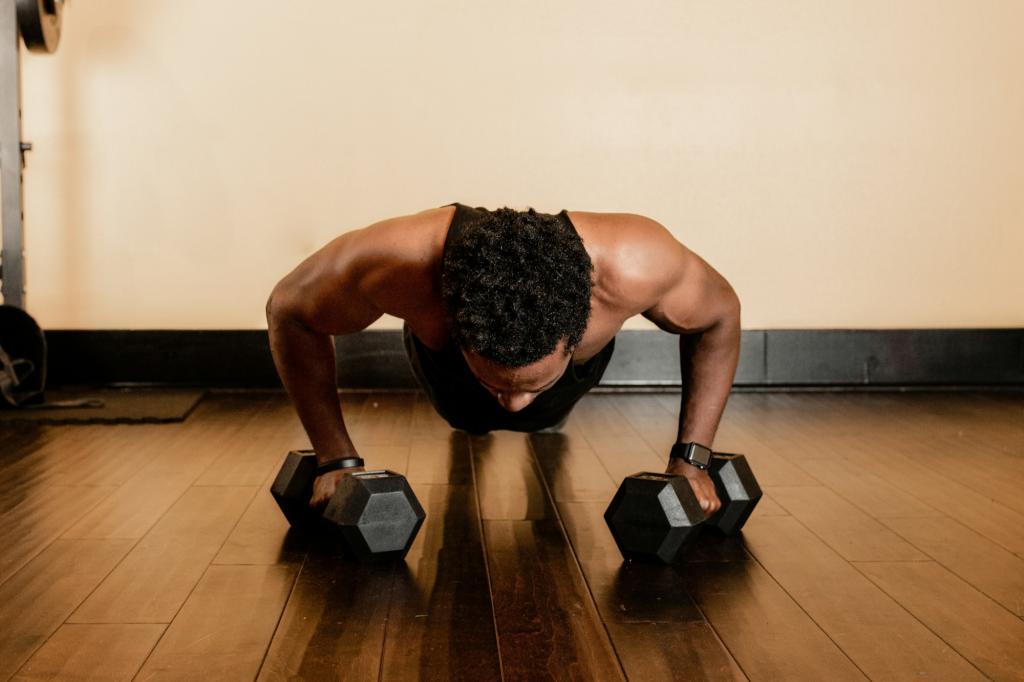
Core strength matters far more than most desk workers realise.
“A strong core helps support your spine and reduces strain caused by prolonged sitting,” says Thursby.
Planks are the obvious choice here, but Carr is also a fan of dead bugs — an exercise that sounds fake but genuinely works brilliantly for posture and spinal stability.
“Core strength plays an important role in maintaining good posture throughout the day,” he explains.
Dead bugs involve lying on your back with arms extended upwards and knees bent before slowly lowering the opposite arm and leg towards the floor while keeping your lower back stable.
7. Hip flexor and glute stretches
Desk jobs are particularly brutal on the hips.
“Taking a minute to stretch the glutes and hips can help improve comfort and mobility,” says Robert’s.
A seated glute stretch — crossing one ankle over the opposite knee and leaning forwards gently — is an easy one to perform between meetings. You don’t even have to leave the chair.
While not exactly an exercise, combating a build up of glute and hip flexor stiffness prevents pain popping up in other places.
8. Wall angels and chest stretches
If your shoulders have gradually rounded forwards from years of keyboard life, wall angels and chest stretches can help reverse some of the tension.
Wall angels involve standing back against a wall with your arms bent at 90 degrees, back of palms against the wall, before slowly raising and lowering them while maintaining contact with the surface at all times.
Pair this with a doorway chest stretch, where you spread your arms across a door frame and lean forward, and you’ll slow the transformation into a hunchback.
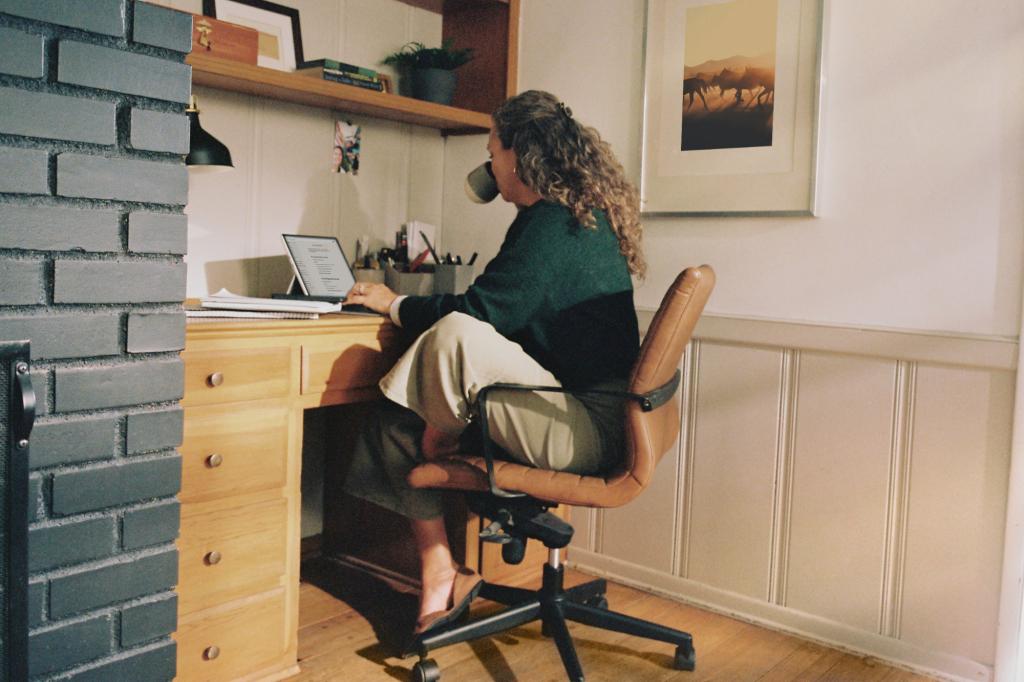
The biggest fix is simply moving more
All three experts agree on one thing: consistency matters far more than intensity.
“You don’t need a full workout,” Roberts says. “Even a few simple mobility exercises at your desk can help keep your body feeling more comfortable and energised throughout the day.”
Carr also believes people often overcomplicate things.
“Many people think they need a perfect workout programme to offset sitting at a desk,” he explains. “In reality, consistently moving more throughout the day is often one of the most effective things you can do.”
Which means the solution probably isn’t buying another expensive ergonomic chair while remaining glued to it for 10 consecutive hours.
Stand up. Stretch. Walk around a bit. Your body isn’t asking for miracles — just slightly less sitting.
Liked this? Burn belly fat fast: the 20 best ways to get your body summer-ready, according to experts


Read the full article here
