

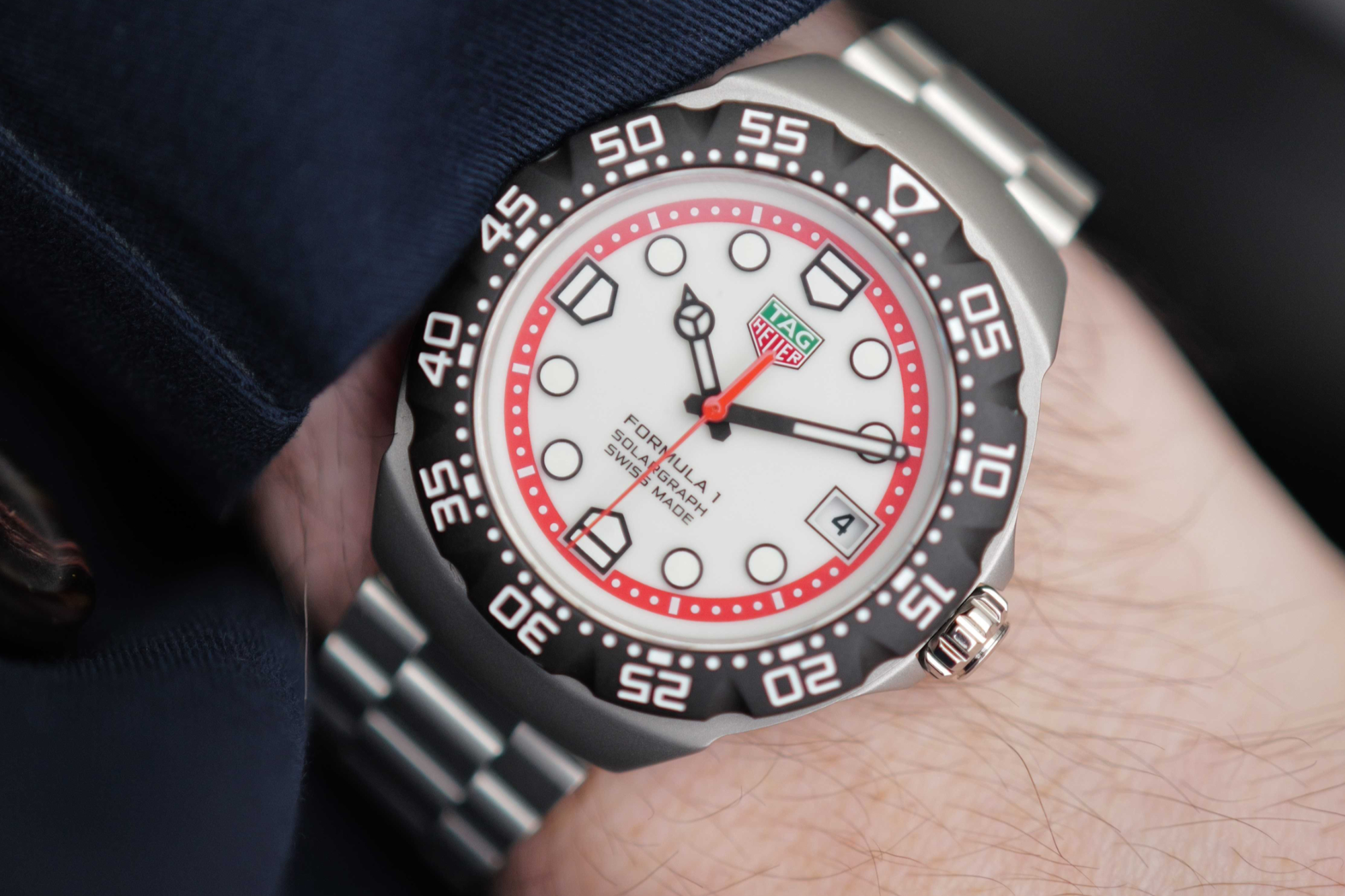
I was one of the first in the queue for the original Apple Watch. I bought the smaller 38mm aluminium model with a lime green sport strap, and I wore it every single day. I loved it. I still do, in a way, the design is iconic, and I still own it. It just sits in the box now, taking up space, permanently switched off and compatible with precisely… zilch.
That smartwatch was actually my gateway into wristwatches. Before it, I hadn’t worn anything on my wrist in years, but once I got used to having something there, I started paying attention to watches properly, and, as it happened, started writing about them for a living around the same time.
The quartz watches came first. A Tissot T-Touch (still one of my favourite adventure watches). A Mondaine Stop2Go, with its quirky stopping seconds hand. All harmless enough. Then the addiction really took hold (the way it often does with watches) and I got my first proper ‘grown-up’ piece – a Tudor Black Bay.
That was around ten years ago. I haven’t wanted a smartwatch since.
Why mechanical watches won
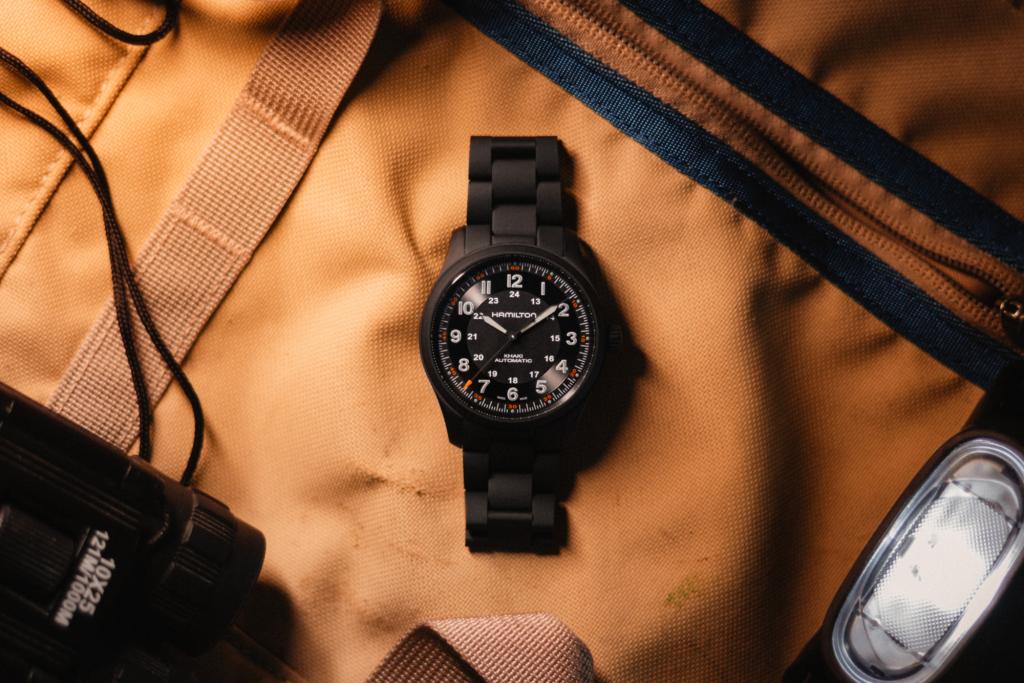
I’ve made this case before, but it’s worth repeating, because none of it has stopped being true. Mechanical watches can mark occasions in a way no smartwatch ever will. A Rolex bought to celebrate a promotion, or handed down from a father to a son, carries more meaning that a smartwatch with a three-year lifespan ever could.
They last generations, too (that’s the whole point of them). A well-made mechanical watch from the 1960s can still be serviced and worn today. I occassionally wear my Grandfather’s Zenith Respirator. Compare that to a first-generation Apple Watch, which became obsolete the moment the software support dried up. Mechanical watches, in fact, only get more interesting with age.
And one final, big, reason I prefer mechanical watches over smartwatches is the fact that they don’t bombard you with notifications that demand a glance every few minutes.
An overstatement, admittedly
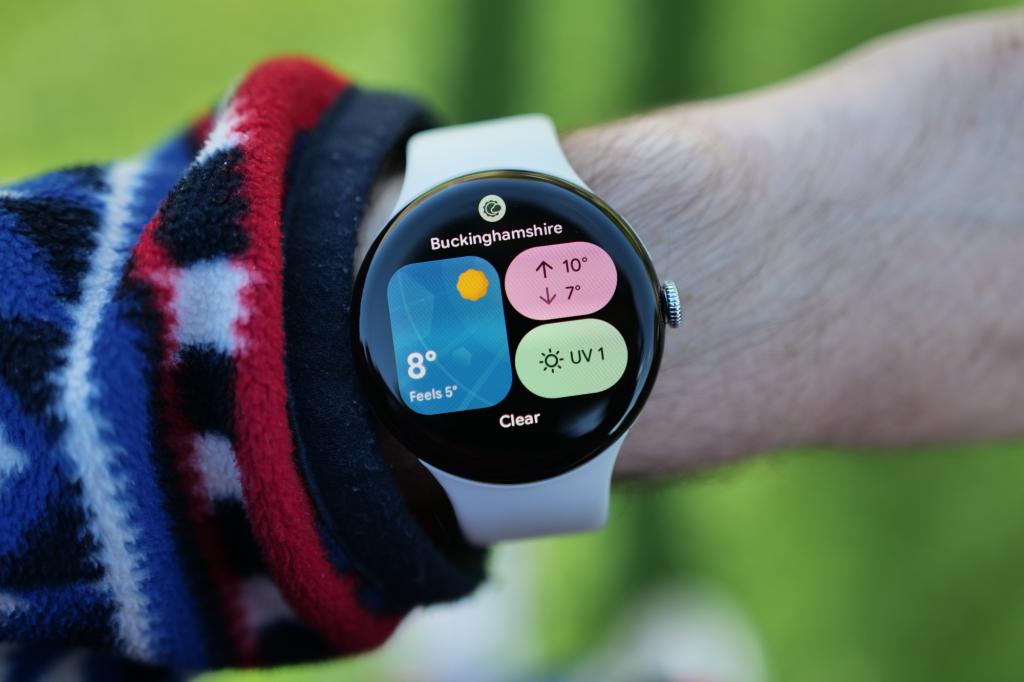
Okay, saying I’ve “never looked back” is a bit of a stretch, if I’m honest. Part of my job for the past decade has involved testing dozens, if not hundreds, of smartwatches. Samsung Galaxy watches, Pebbles, Google Pixel Watches, Garmin – I’ve worn more of them than most people will in a lifetime.
Some of them have genuinely impressed me. The engineering that goes into cramming a health lab, a communicator and a fitness coach onto your wrist is remarkable, and I don’t think that deserves to be dismissed just because I prefer something more traditional.
But not one of them has stayed on my wrist once the review period ended. Every single time, it’s come off and gone back in the box, and a mechanical watch has gone back on.
It’s never been easier to be a mechanical watch fan
If anything, this is the best possible moment to make the switch, because you no longer have to choose between a beautiful watch and useful health data.
Screenless fitness trackers like Whoop, the Fitbit Air, and Garmin’s Cirqa mean you can track your training and sleep without a screen anywhere near your wrist.
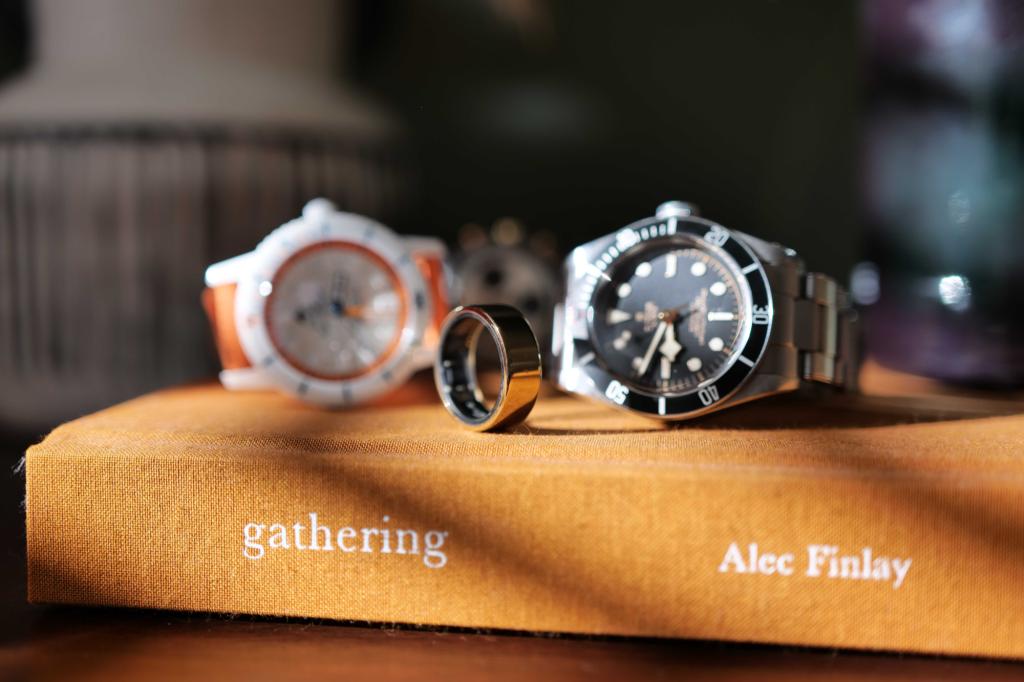
Smart rings too, like the Oura Ring 5 and Ultrahuman Air, do much the same thing but on your finger. Pop one of those on and you get everything a smartwatch promises, minus the thing that made me want to quit smartwatches in the first place.
That’s really what this comes down to for me. It was never that smartwatches were bad at what they do, it’s that life is better with a mechanical watch.
Ten years on, my Tudor still winds itself with nothing more than the movement of my arm. It doesn’t need charging, updating, or replacing next year. And that original Apple Watch? It’s still sitting in the box. Iconic, loved, and utterly useless.
Liked this? Five perfect first watches: our watch expert’s pick of timepieces to start your collection


Read the full article here
