

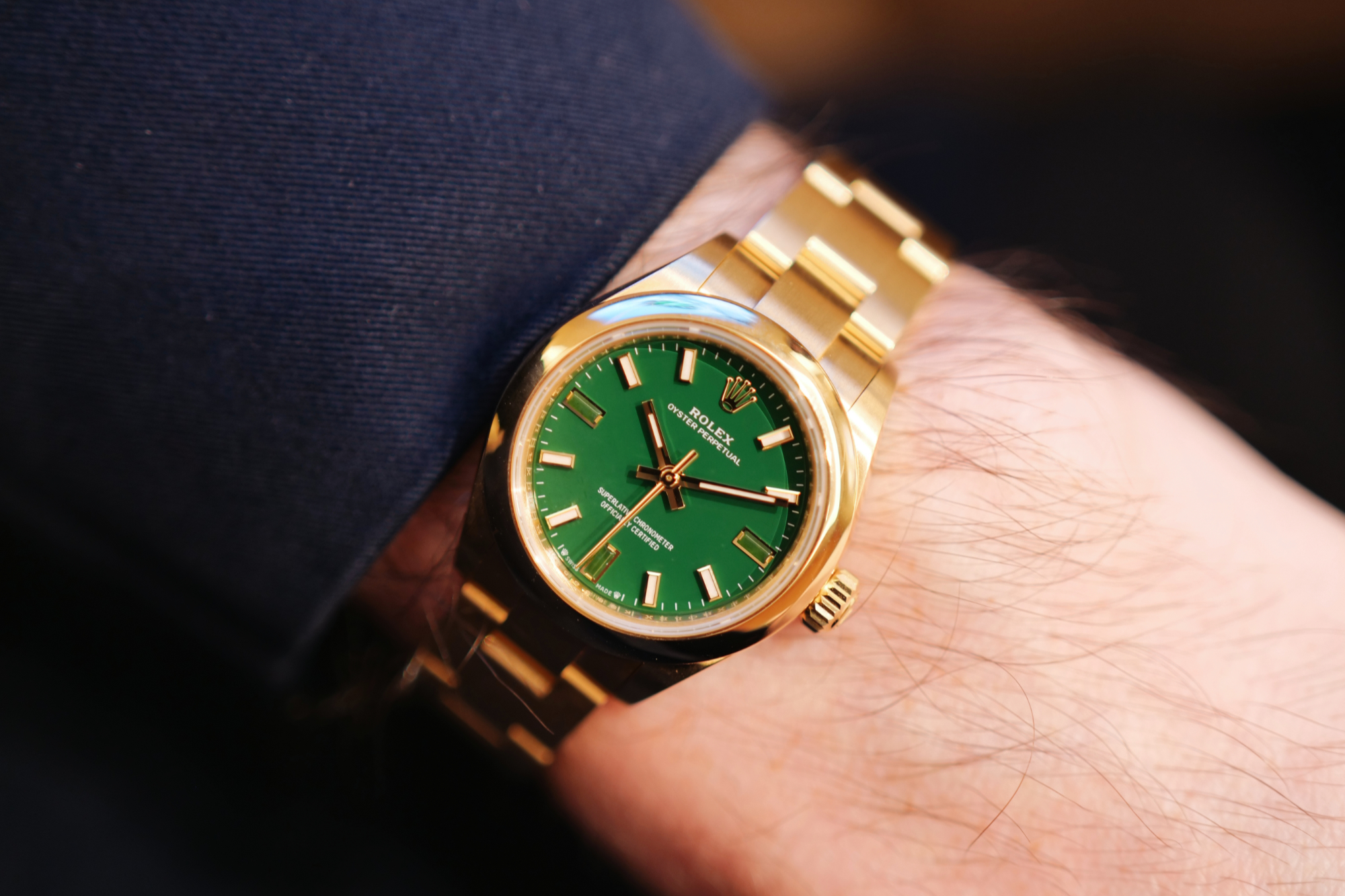
I still remember the first time I held a mechanical watch and felt the rotor swing inside the case as I turned my wrist. It was a cheap automatic, nothing special, but it hooked me instantly.
Years later, and a collection that now includes far more watches than I’d care to admit, I still get a small thrill from that same sensation.
If you’re standing on the edge of that same precipice, good, it’s a wonderful hobby to fall into. But it’s also an expensive one if you go in blind, so let’s sort out what genuinely matters before you spend anything.
1. Mechanical doesn’t mean better
First, let’s kill a myth. A mechanical watch isn’t more accurate, more reliable, or better value than a quartz watch or smartwatch. A cheap quartz watch will keep better time than a mechanical one, full stop. Quartz movements are accurate to within seconds a month; even a well-regulated mechanical movement will drift by several seconds a day.
Smartwatches and Apple Watches are consistently synced to global timekeeping, which is pretty much as accurate as you can get.
What you’re buying with a mechanical watch is craft and design. You’re buying tiny springs, gears and levers rather than a battery – it’s tactile engineering. That’s the appeal, and it’s the same reason people fall for steam trains and classic cars.
Having said that, here are seven things mechanical watches can do better than an Apple Watch.
2. Automatic vs manual-wind movement
You’ll see two flavours of mechanical movement:
Automatic (self-winding) watches wind themselves using a weighted rotor that spins as you move your wrist. Wear it daily and it never needs manual winding.
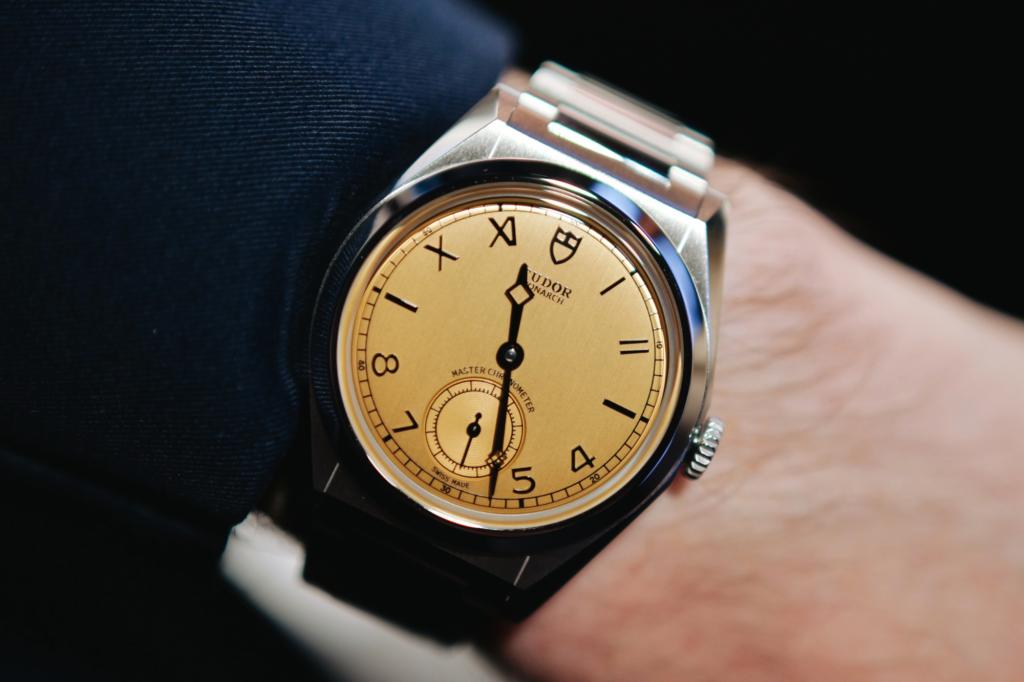
Manual-wind watches need winding by hand, typically once a day or two, via the crown. There’s no rotor, which often means a thinner case and less complexity.
Neither is objectively better. Automatic watches suit people who want to put a watch on and forget it, while manual-wind suits people who enjoy the small daily ritual of winding their watch up.
3. Power reserve is an important
Following on from the type of movement, it’s time (pun intended) to talk about power reserve. Power reserve is how long a watch runs once fully wound, without being worn or wound again.
Budget mechanical watches often manage around 42 hours. That sounds like plenty until you take a watch off on Friday night and don’t wear it again until Monday morning, at which point it’s stopped and needs resetting.
If you rotate watches or don’t wear one daily, look for something with at least 70 hours of reserve, or budget for a watch winder.
4. All the specs
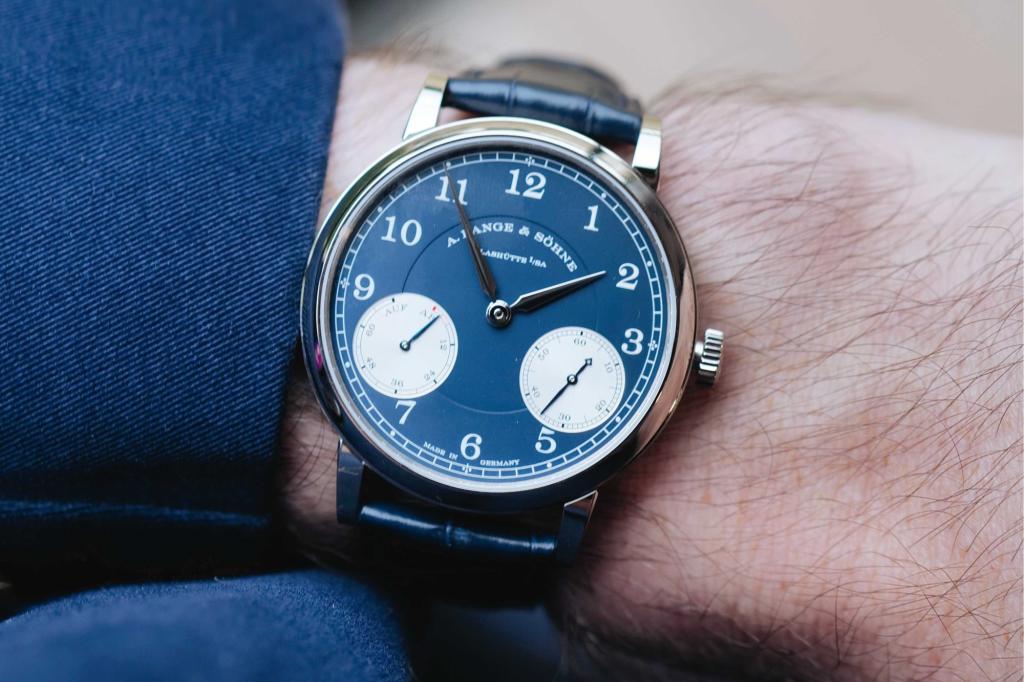
Just like buying a laptop or smartphone, mechanical watches have a long specs list. Here’s what’s actually worth checking:
Water resistance is actually one of the most misunderstood specs. It’s rated in metres or ATM, but that figure isn’t a diving depth, it’s a lab test rating. 30m (3ATM) means splash resistant only, so no showers and definitely no swimming. 50m (5ATM) covers light swimming. 100m (10ATM) is an ideal ‘go anywhere, do anything’ (GADA) rating, allowing you to wear your watch in the pool or the sea. Anything over that and you’re in dive watch territory.
Crystal type is the glass covering the dial. Mineral crystal is cheap and reasonably tough but will scratch. Sapphire crystal is far more scratch-resistant and standard on most watches over $400 / £300, though it’s more prone to shattering on a hard knock than cracking in a scratch. If you’re clumsy or work with your hands, sapphire is the way to go.
Lug width is the gap between the lugs where the strap attaches, measured in millimetres. It matters if you plan to swap straps, since a 20mm watch needs a 20mm strap. Most watches sit somewhere between 18mm and 22mm.
Jewels refer to the synthetic rubies used at friction points inside the movement to reduce wear. More isn’t automatically better, and it’s often used as a marketing number, but generally, you should aim for 17 or more jewels.
5. Getting the size right
Watch sizing is more art than science. Sure, you’ve got case diameter, and that’s often the most quoted spec, but that number only tells part of the story. You’ve also go lug-to-lug length, lug width, and thickness, and even factors such as bezel thickness and dial colour can have an impact on how large a watch feels on your wrist.
Case diameter, measured in millimetres and typically ranging from 36mm to 44mm (for a men’s watch, smaller for a women’s watch). It’s the headline figure everyone quotes, but, as previously mentioned, it’s not very useful on its own. A 40mm watch can wear small or large depending on the rest of the case.
Lug-to-lug length, the distance from the tip of one lug to the other, matters more than diameter for how a watch actually sits on your wrist. A wide case with a long lug-to-lug will overhang narrow wrists badly, even if the diameter number looks modest.
Thickness decides whether a watch slides under a cuff or feels unbalanced. Dress watches typically sit under 10mm; dive and field watches often run to 12 to 14mm or more to house extra water resistance and a more robust movement.
There are no hard rules when it comes to what size watch to wear, just pick a watch that feels right.
6. In-house movement vs off-the-shelf
You’ll hear a lot about “in-house” movements versus movements bought in from a specialist manufacturer like ETA or Sellita. In-house sounds more prestigious, and often costs considerably more as a result.
For a first mechanical watch, this isn’t something worth worrying about. Off-the-shelf movements from established makers are reliable, well understood by watchmakers everywhere, and cheap to service. Brands like Tissot, Hamilton and Oris build excellent, accessible watches around exactly this kind of movement. Save the in-house obsession for watch three or four.
7. When will you wear your watch?
Before you even open Chrono24, Subdial, or eBay, be honest about how the watch will fit into your life.
Need something smart for the office? A slim dress watch on a leather strap, ideally under 40mm and no more than 10mm thick, will slide under a shirt cuff and pair perfectly with a suit.
Travel for work? You might want a GMT watch. A second hour hand and rotating bezel means you can track home time and local time at a glance, which is genuinely useful if you’re regularly crossing time zones.
Want something for weekends that can take a knock about? A chunkier field or dive watch on a rubber or NATO strap will take far more abuse than a slim dress watch, and usually comes with better water resistance too.
8. Watch brands
For a first mechanical watch, I’d point most people towards the $300 / £200 to $800 / £600 bracket. Below that, quality control on mechanical movements is pretty poor. Above it, you’re often paying for brand rather than meaningfully better engineering, at least at this end of the market.
Look hard at Seiko and Orient for genuinely excellent automatic watches. Tissot and Hamilton sit slightly above that, with the reassurance of Swiss manufacture and ETA-based movements.
If you want something a little different, there are a number of great micro brand watches out there as well.
9. Try before you buy, if you possibly can
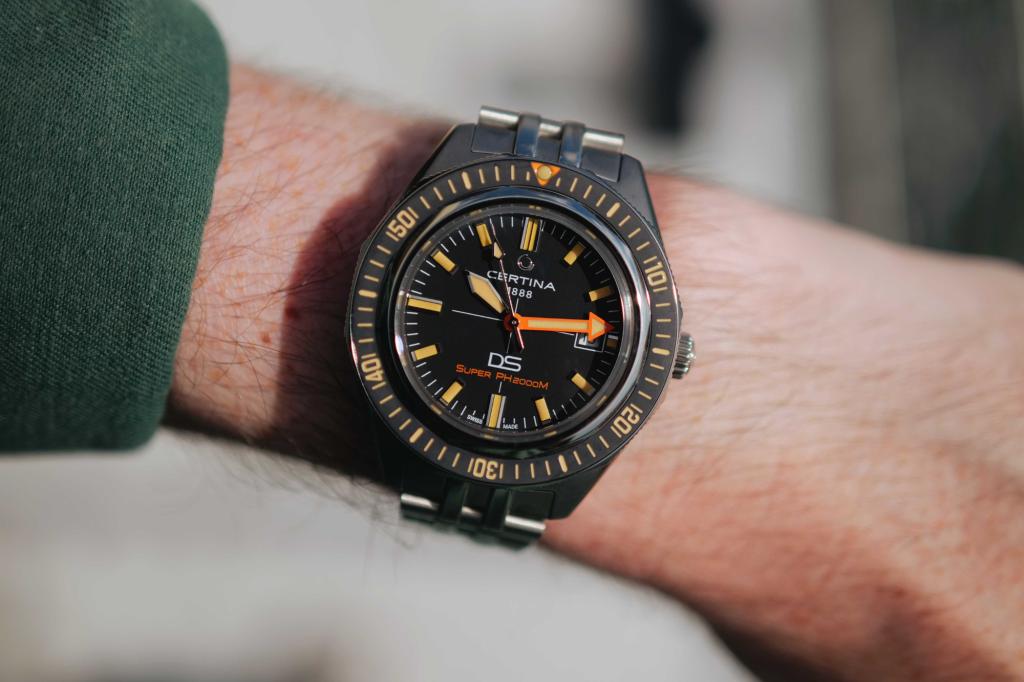
Instagram photos flatter every watch. Case thickness, lug-to-lug length, and how a dial catches light in person can make or break a watch that looked perfect online.
You’ll also want to get a feel for the watch on your wrist.
If there’s an authorised dealer or watch fair near you, go and try things on.
10. Buying preowned?
The preowned market for mechanical watches is huge and can offer serious value, but it comes with more risk than buying new. Stick to reputable dealers or auction houses with a returns policy when buying your first watch.
Check the movement is original to the watch, ask when it was last serviced, and factor a service into your budget if its a vintage watch.
Liked this? How many watches should you own? What is the ideal watch collection size?


Read the full article here
