

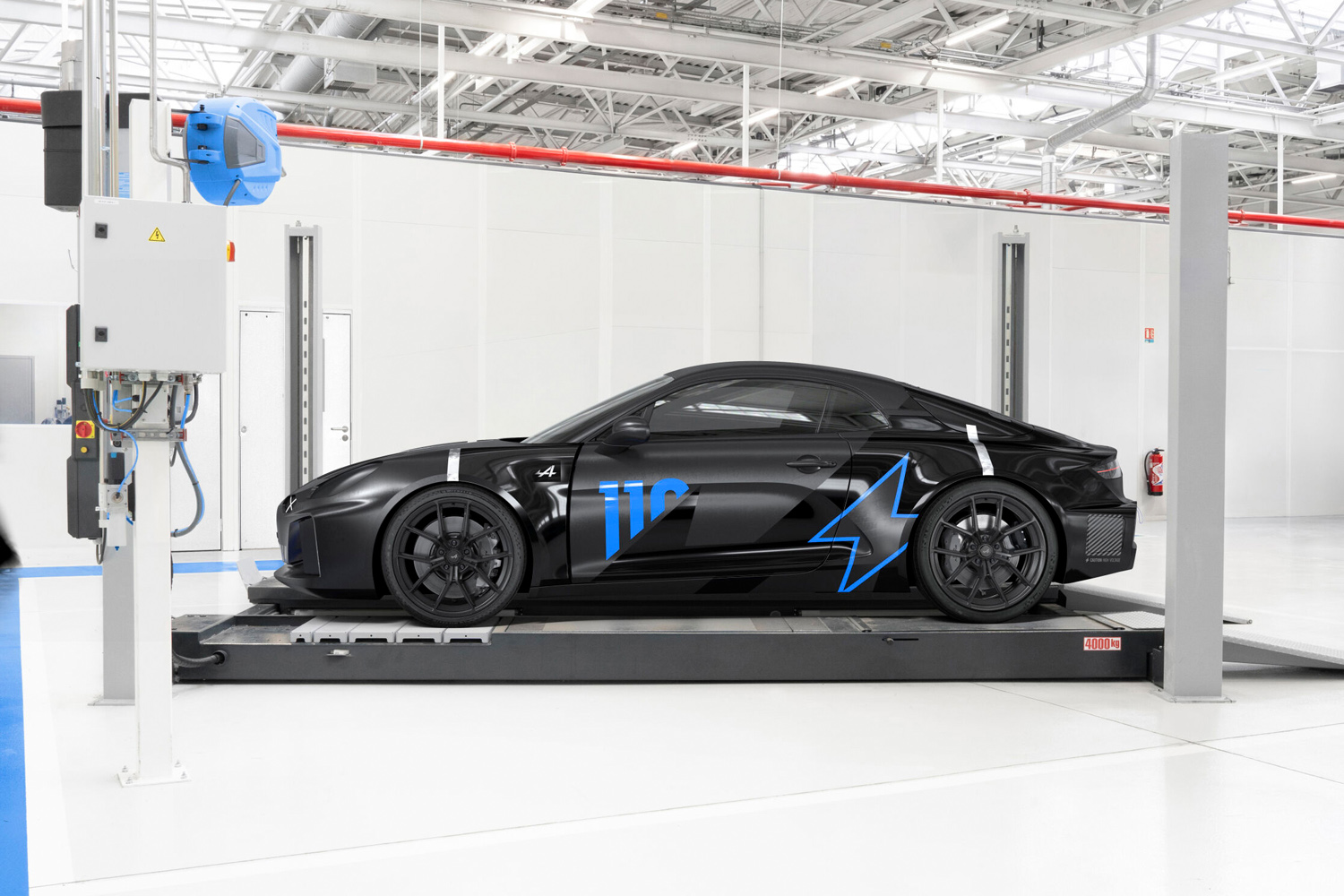
I love the idea of an electric car, or EV, but the practical questions always put a dampener on my enthusiasm. How much will it cost? Where will I charge it? And how much time will I waste doomscrolling on my phone at a grey, dreary service station while my car hungrily sucks up as much juice as it can muster?
With that in mind, you can see why another announcement about enormous touchscreens might not be quite what a hesitant buyer like myself is waiting for. A lower price would probably help more. So would knowing that I can charge near home, rather than having to make a special trip to do it.
The encouraging thing is that manufacturers are working on those problems. Hooray! Some of the technology below, in fact, is already being deployed, while other developments are still being tested. I’m interested in both – although I’d quite like to know when the promising stuff will reach a car that most of us can afford…
Faster charging
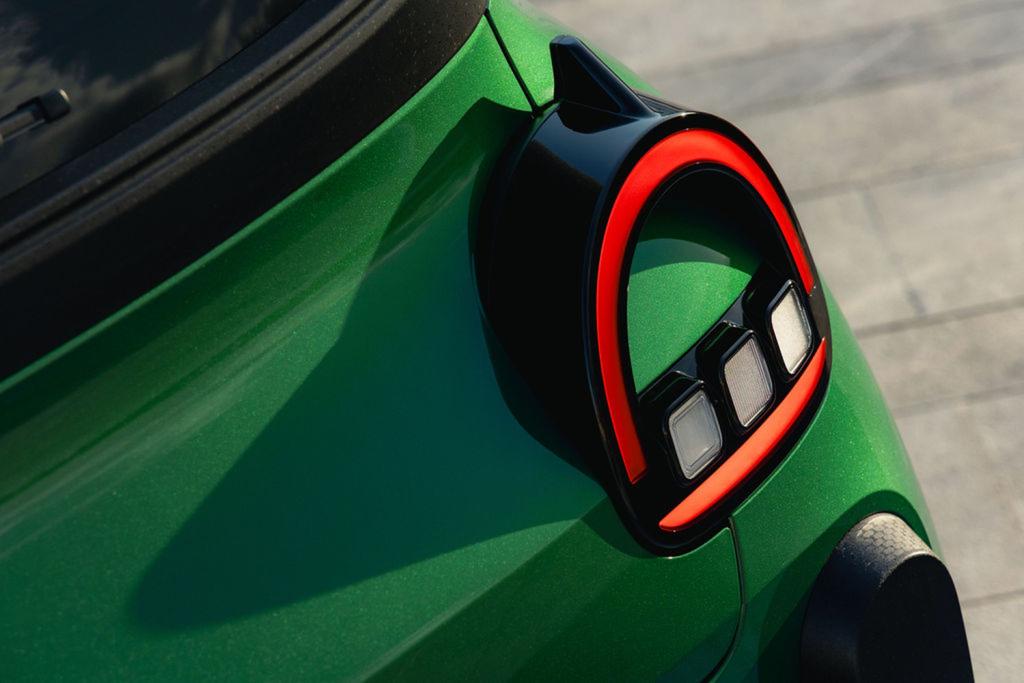
Having to stop for a charge en route isn’t necessarily a problem. Having to stay longer than you’d like is more annoying – especially when you’re keen to get home and you’ve already exhausted the bountiful entertainment possibilities of a service station.
Thankfully, BYD’s latest tech could considerably shorten that wait. The company says that its second-generation Blade Battery can charge from 10 to 70 per cent in a blistering five minutes when connected to its Flash Charging system. Going from 10 to 97 per cent takes a claimed nine minutes. Nine!
The battery and charger have been developed together. Changes inside the battery help ions move more easily, reducing resistance and heat, while the Chinese-market charger can deliver up to 1500kW through one connector. Battery storage at the station can help supply that burst of power without drawing all of it from the grid at once.
BYD has announced a European expansion, but you’ll need a compatible car and access to the right equipment. An existing EV won’t suddenly charge at those speeds just because someone installs a more powerful charger nearby.
Cheaper cars
The purchase price can still be enough to put you off going electric before you’ve even looked at charging. There are welcome exceptions – the Chevrolet Bolt starts at around $28,995 in the US, before taxes and dealer fees, while the Dacia Spring starts at around £11,990 in the UK. But we could still do with more affordable choices, particularly if those cars don’t suit what you need.
The International Energy Agency (IEA) says that US buyers still have too few lower-cost electric cars to choose from, while affordability remains a problem in Europe too.
Ford is trying to bring costs down by changing how it builds its cars. Its Universal EV Production System will assemble the front, rear, and structural battery on separate assembly lines before joining them together. The seats and carpeting will already be attached to the battery assembly.
Factory layouts aren’t usually something I get excited about, but the intended result is more interesting. Ford says that this simplifies production, with the first vehicle – the Fathom electric pickup – due in 2027 at a US starting price of $28,350, before destination and delivery charges, and dealer documentation fees.
It’s still a substantial purchase, but the platform is designed for different vehicle types, so any production savings could eventually benefit buyers who have absolutely no need for a pickup.
More places to charge
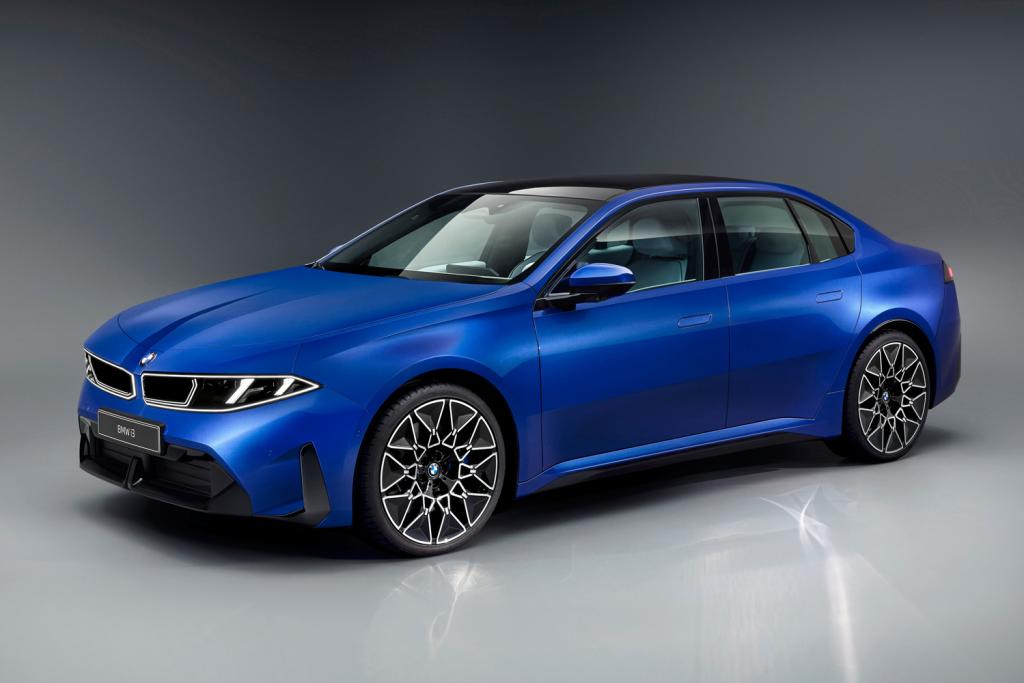
If you park on the street, being told how convenient it is to charge an EV on your driveway isn’t helpful. Like, at all. You need somewhere nearby to plug in, preferably without rearranging your evening around it.
Adding chargers to existing lampposts is one way to do that. They’re slower than rapid chargers, but who cares when your car is going to be parked for several hours anyway?
This is already happening. Ubitricity finished installing 400 additional lamppost charge points in London’s Bexley borough in March 2026. In the US, Voltpost is working with charging-equipment manufacturer EVSE to put chargers on existing poles.
You’ll still need an available parking space, and charging might cost more than it would on your own driveway. But being able to leave the car charging near home would save you a separate trip. I’d quite like to have my evening back.
Better cold-weather performance
Winter can make the charging question more complicated. Batteries don’t perform at their best in the cold, so technology that copes better with low temperatures could make winter driving less of a worry.
Sodium-ion batteries are worth watching here. They use sodium ions to carry charge instead of lithium ions, and the International Energy Agency reports particularly promising cold-weather performance compared with lithium iron phosphate batteries.
CATL and Changan unveiled a sodium-ion passenger vehicle in February 2026. CATL subsequently said that full-scale production of its Naxtra batteries was scheduled for the end of 2026.
Using sodium also gives manufacturers an alternative when lithium prices rise. It would be nice if that meant an immediate drop in car prices, but the economics aren’t that simple. The IEA says that sodium-ion batteries aren’t yet cheaper than lithium iron phosphate batteries for most uses.
They generally store less energy for a given weight, too, making smaller cars and shorter journeys a more obvious fit than large, long-range SUVs.
Longer range
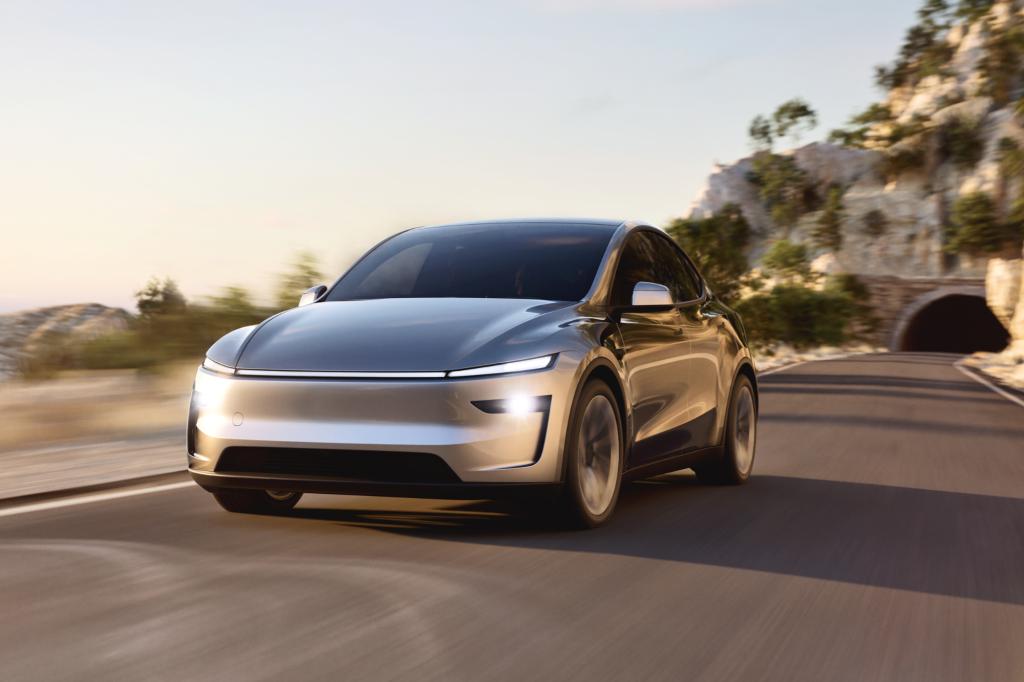
Even if most of your driving is local, you’d still want an EV to cope with a long trip without constantly checking where to charge. Fitting a bigger battery can extend the range, but it adds weight too. Ideally, you’d get more miles from a battery that’s no bigger or heavier.
That’s the appeal of solid-state batteries. They replace the liquid that carries ions inside the battery with a solid material. This allows manufacturers to use designs that store more energy in the same space – giving you more range, or allowing for a smaller, lighter battery.
Mercedes has already tested the idea on the road. In August 2025, an EQS fitted with solid-state cells from US company Factorial travelled 1205km – about 749 miles – from Stuttgart to Malmö without recharging. Mercedes says that the battery stored 25 per cent more usable energy than the standard EQS pack, with a similar size and weight.
That was a test drive, so don’t expect every future model to manage 749 miles. Mercedes is aiming to put the technology into production by the end of the decade, and there’s still work to do. The test battery even needs air-powered devices to accommodate its cells expanding and contracting as it charges and discharges.
I don’t need to drive 749 miles in one go. But I would like to head off for a weekend without spending quite so much time planning charging stops. Give me that in a car I can afford, with somewhere near home to plug it in, and I’d be much more tempted to make the switch.


Read the full article here
