

At WWDC 2026, Apple didn’t even bother to provide ‘new feature’ cards for iOS and macOS. Instead, updates were grouped into themes: ‘oops Liquid Glass’, ‘think of the children’ and ‘AI! AI! MOAR AI!’ So tvOS – often the forgotten child of Apple’s operating system family – never stood a chance. There was no painfully short segment featuring an Apple exec trying very hard to sound excited. And although the Apple TV platform wasn’t ignored entirely, the revealed tvOS 27 updates were meagre: smoother app launches, a refreshed Podcasts app and a setting to adjust system text size. If rumours are true, the next Apple TV hardware refresh won’t be any more exciting.
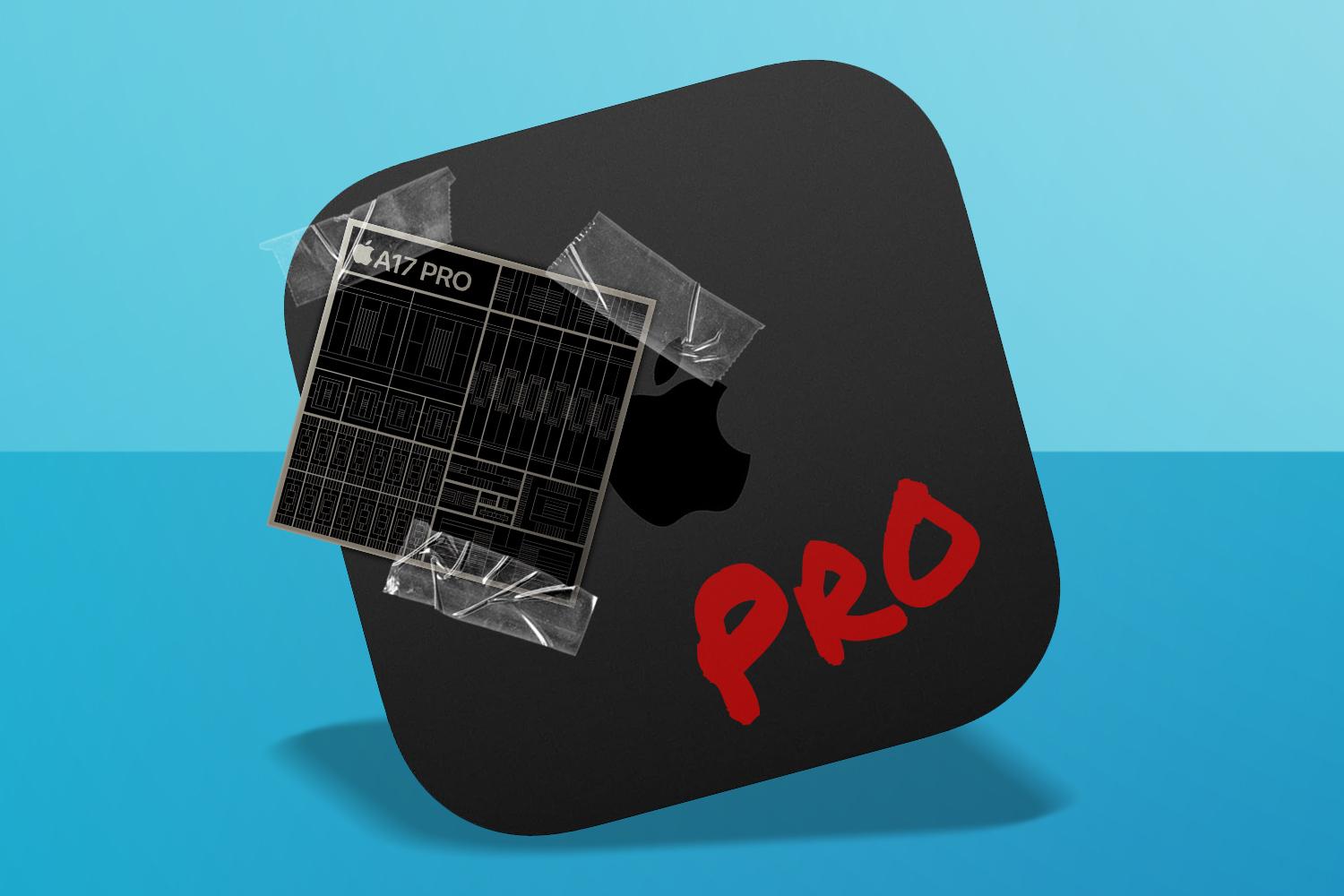
Reportedly, the 2026 Apple TV will look identical to the current model, released back in 2022. Which is… good? After all, today’s Apple TV is a svelte little number that takes up barely any space. Beyond that, it’ll get a new chip – most likely the A17 Pro that’s still rattling around inside the iPad mini. Why? Because that’s the bare minimum needed for Apple Intelligence, which Apple is determined to weld onto every product in its lineup, whether you want it or not. On the plus side, maybe the ‘new and improved Siri’ will finally understand what I’m saying when I bark into the Siri Remote, rather than randomly playing Phil Collins on a loop.
Same old story
None of this is a surprise. And that’s because nothing about Apple TV is surprising anymore. It’s become the very definition of fiddling around the edges. Every few months, there will be breathless rumours about what might be coming next, but they hardly have me hitting refresh on apple.com. Snazzier Wi-Fi and Bluetooth. Hrmm. An N1 chip to boost the device’s smart home hub credentials. Frrp! And beyond that, even rumour outlets with the very best guessing trousers start to struggle.
I’ve seen suggestions the 2026 Apple TV might revamp the Siri Remote, despite the current one being just fine. And then there are the optimists who believe Apple will shove an A18 or even an A19 inside the new Apple TV. But to what end? A newer chip would doubtless make the Apple TV a more capable games machine, but any potential for the platform in that space fizzled out years ago. It would also future-proof the box a little longer, but it’d ramp the price up too. Frankly, there’s been enough of that lately as it is, which has left the already spendy Apple TV looking like whatever the precise opposite of a bargain is.
Fade to black
The danger is that the Apple TV might wink out of existence entirely. Back in 2007, Steve Jobs described it as a hobby. Nearly two decades later, it doesn’t feel like Apple’s mindset has changed. The Apple TV in 2026 lacks ambition. It feels unloved. Worse, it feels staid and stodgy.
The interface is in some ways better than what you get on rival systems. But it’s oddly conflicted due to the ‘split personality’ of its apps and TV views, the latter of which still can’t integrate Netflix. And while the device does allow you to escape the ad-infested mess of smart TVs and certain streaming boxes, Apple is getting increasingly fond of ads itself. And Apple TV the service is everywhere, meaning you don’t need Apple TV the hardware for that either.
Maybe I’m just jaded. Or perhaps the heatwave is getting to me. But I just can’t muster up excitement for what’s coming next. Mercifully, though, there was at least one tvOS 27 announcement I was happy about: most of my Apple TVs will be supported. Just as well, because unless Apple starts treating its black box as more than an afterthought, I can’t see myself buying another any time soon.

Read the full article here
