







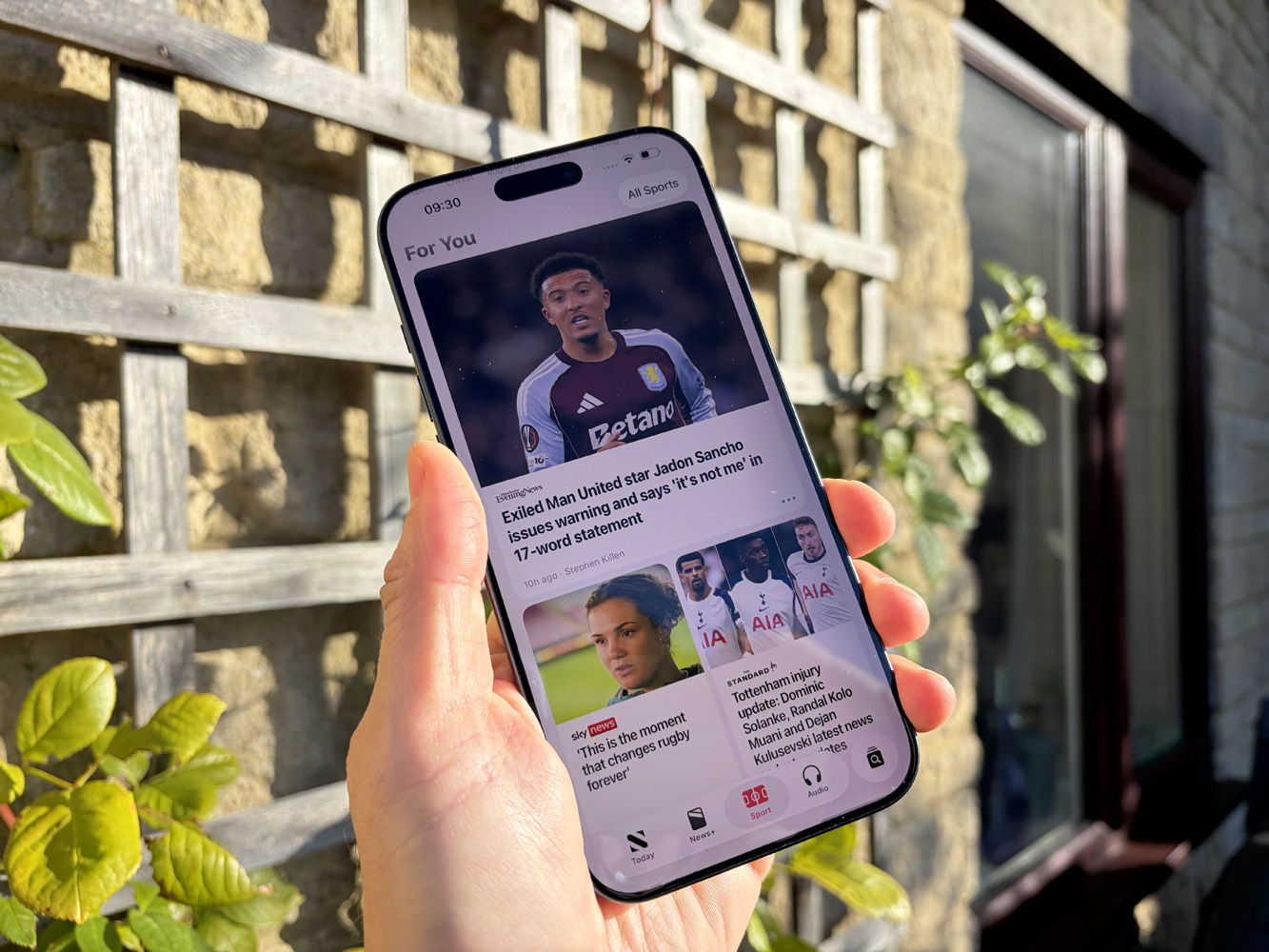
One thing that the best smartphones have in common is their lack of a 3D screen. While some have tried (remember Amazon’s 3D Fire phone or the HTC Evo 3D?), like TVs, the 3D screen gimmick never took off. But that hasn’t stopped rumours of an iPhone with a 3D holographic display from doing the rounds.
While past attempts have failed, it’s safe to say that if anyone can make 3D smartphones go mainstream, it’s Apple. And it sounds like they’ll need Samsung to make it happen.
According to leaker Schrödinger on X (via MacRumors), Samsung is apparently developing a holographic smartphone display codenamed MH1 or H1. The panel supposedly combines eye-tracking with something called diffractive beam steering – essentially using microscopic structures to direct light exactly where your eyes are. The goal is to create convincing depth effects that appear to float above the display, without needing glasses or tanking image quality in normal use.
That last bit is important. Older 3D phone screens usually sacrificed brightness, sharpness, or viewing angles. According to the leak, this new setup would maintain full-resolution visuals for standard 2D use, only activating the holographic layer for compatible content. Apparently, users could even tilt the phone to look around objects in a scene, which sounds rather trippy.
It’s not as far-fetched as you may think, either. Samsung’s been researching this area for years – its Advanced Institute of Technology published research back in 2020 detailing slim holographic display panels capable of showing 4K holographic video at 30fps. The big challenge has always been shrinking the tech down enough for a phone.
The Apple angle is where things get especially interesting. The report claims supply chain sources have heard chatter about a so-called Spatial iPhone – though there’s no indication such a device is anywhere close to launch. Apple has also explored holographic and glasses-free 3D concepts in patents dating back to 2008, including displays that track your eyes to generate personalised 3D visuals.
More recently, Apple’s been aggressively pushing spatial computing through the Apple Vision Pro and spatial video features on newer iPhones. So a future handset capable of showing depth effects without a headset wouldn’t actually feel that crazy – especially if Apple sees spatial content as a long-term play.
There’s still a massive pile of salt required, mind. Schrödinger is a relatively new leaker, although they’ve apparently correctly revealed several Samsung hardware details ahead of launch in the past, including specs for the Samsung Galaxy S26 Ultra.
Even then, I reckon we’re quite a few years away from an iPhone with a 3D holographic display. Though I’m happy to be proven wrong.


Read the full article here


