

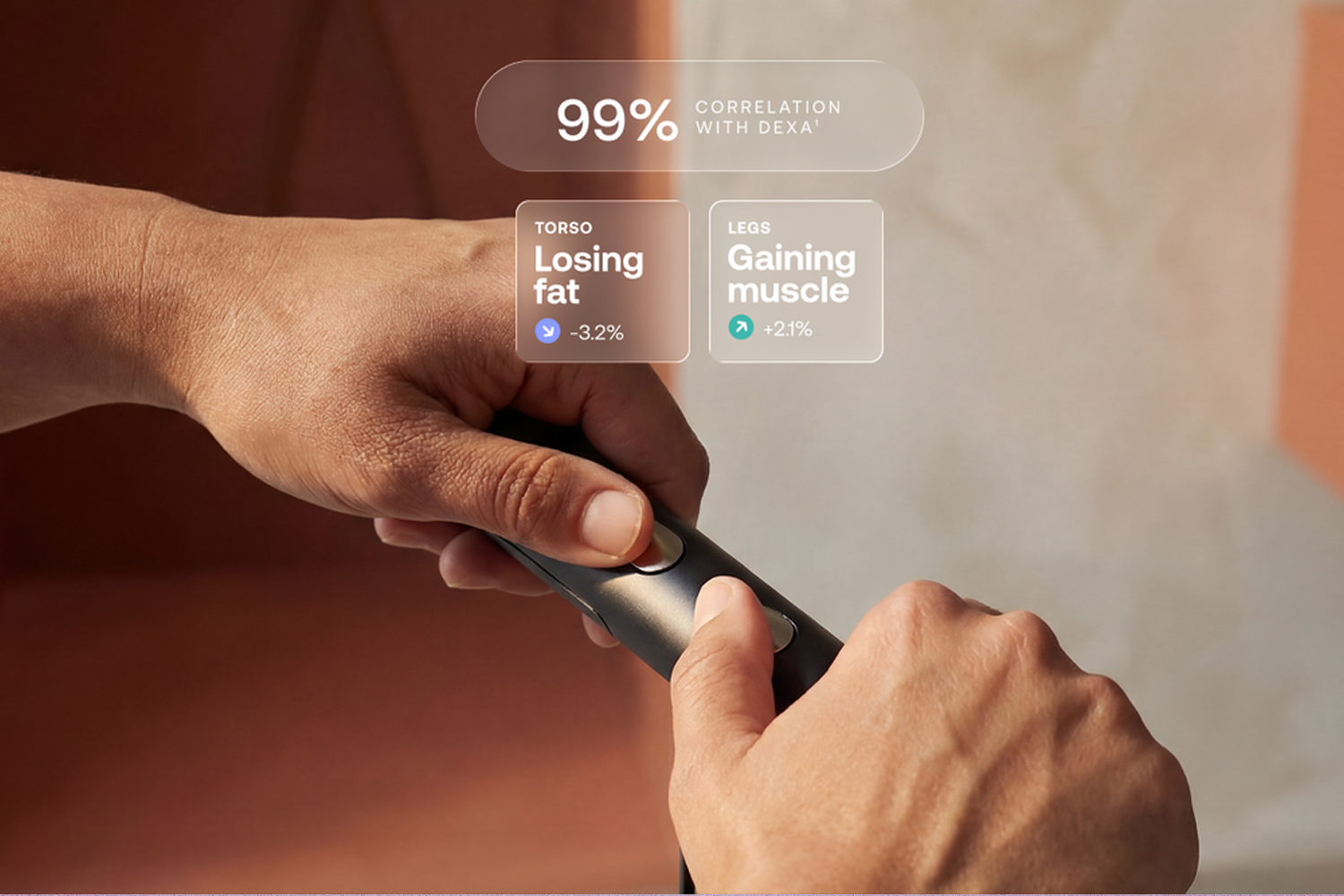
Search for fat-loss tech, and you’ll soon be bombarded with electrical muscle stimulators, metabolism trackers, compression belts, and other devices making suspiciously ambitious promises. Sadly, none of them can actually melt away fat while you scroll on your phone, slumped on the sofa. Believe me. I’ve tried.
In fact, I’ve tried enough fitness apps and gadgets over the decades to finally come to an important realisation – all the useful ones tend to be fairly boring.
And that’s because losing weight is actually very simple. On paper, at least. I want to know roughly what I’m eating, whether my weight is heading in the right direction, and whether I’ve spent the entire day glued to a chair. That’s about it.
You don’t need to track everything, either. Some people enjoy having plenty of data, while others would rather make broader changes and monitor the results. The aim is to find the least miserable combination of eating less and moving more that you can sustain.
Six weeks won’t completely transform your body, but it should be long enough to understand your habits, establish a routine, and see whether it is beginning to work. So with that said:
Week one: Find your starting point
Resist the temptation to overhaul your entire life on Monday morning. Spend the first week gathering information about what you already do.
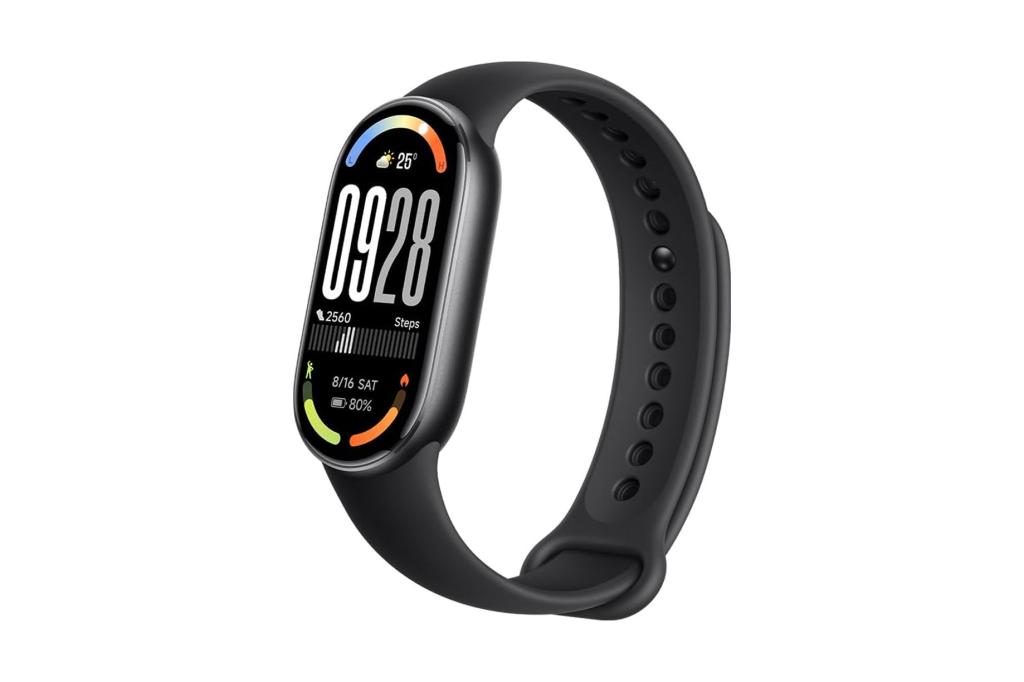
A fitness tracker like the Xiaomi Smart Band 10 can record your daily steps, heart rate, workouts, and sleep, and costs less than a takeaway. You can go fancier and more expensive with Garmin and the like, of course. But honestly, that stuff can come later, if you want to dive deeper.
Do the same with your weight. Connected scales automatically send readings to an app, making the longer-term trend easier to see. Models like those from Withings, Renpho, and Garmin can also estimate body fat, muscle, bone mass, and body water, but none of those should be mistaken for laboratory measurements. Your weight trend is the useful part. Oh, and you obviously don’t need fancy techy scales, either. A regular set and a notepad will get the job done just as well.
Weigh yourself under similar conditions each time, ideally after waking up and using the toilet. Your weight will still fluctuate because of hydration, salt, carbohydrates, and digestion, so one unexpectedly high reading tells you very little. If daily weighing affects your mood, do it less frequently. The technology is supposed to help, not give you another number to dread. I’ve been there, and it’s not fun!
Week two: Understand how much you’re eating
Fat loss requires a calorie deficit, which means consistently consuming less energy than your body uses. You can create one without counting anything, but logging your food makes the process far less mysterious.
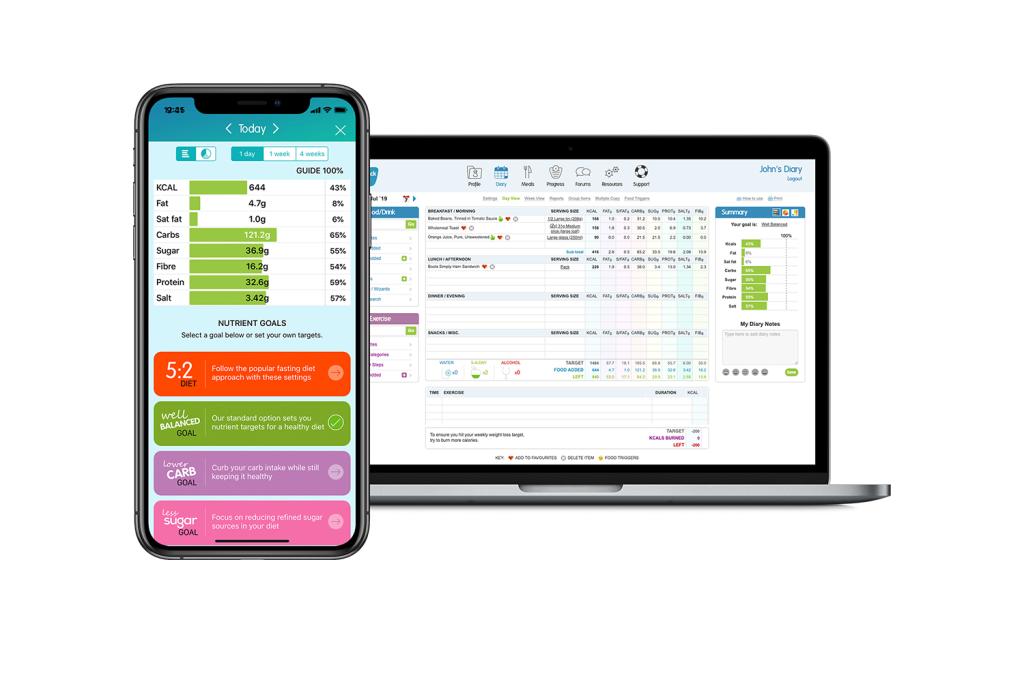
Apps like MyFitnessPal and Nutracheck are an absolute godsend, with a large food database, barcode scanning, photographs, and tracking for protein, fibre, and other nutrients. Suggested calorie targets provide a starting point, although any calculator can only estimate what your body needs.
Log what you normally eat for a few days before making dramatic cuts. You may discover that your meals are broadly sensible, while cooking oil, drinks, snacks, or oversized portions are sneakily adding far more calories than expected.
Digital kitchen scales will make the diary considerably more accurate. Any reliable model will work, although I love the OXO Good Grips Stainless Steel Food Scale. It has a display that pulls forwards when a large plate would otherwise obscure it, and it’s never waved in accuracy. You don’t need to weigh every lettuce leaf, but calorie-dense foods such as oil, cereal, cheese, peanut butter, rice, and pasta are surprisingly easy to underestimate.
Set a manageable calorie target and adapt it to your routine. You can eat smaller portions, make lower-calorie substitutions, or save more calories for the evening if that is when you become hungry. Food you enjoy can still fit. Calorie counting is a tool, not a requirement to assemble a flawless diet.
Week three: Increase your daily movement
Look at your average step count from week one and choose an achievable increase. Adding a couple of extra thousand steps a day is a more approachable starting point than forcing yourself straight to 10,000 simply because it’s a satisfyingly round number.
Walking is particularly useful because it increases daily activity without necessarily requiring a strenuous workout. Those steps can come from a proper walk, taking the stairs, household jobs, parking farther away, or pacing around while talking on the phone.
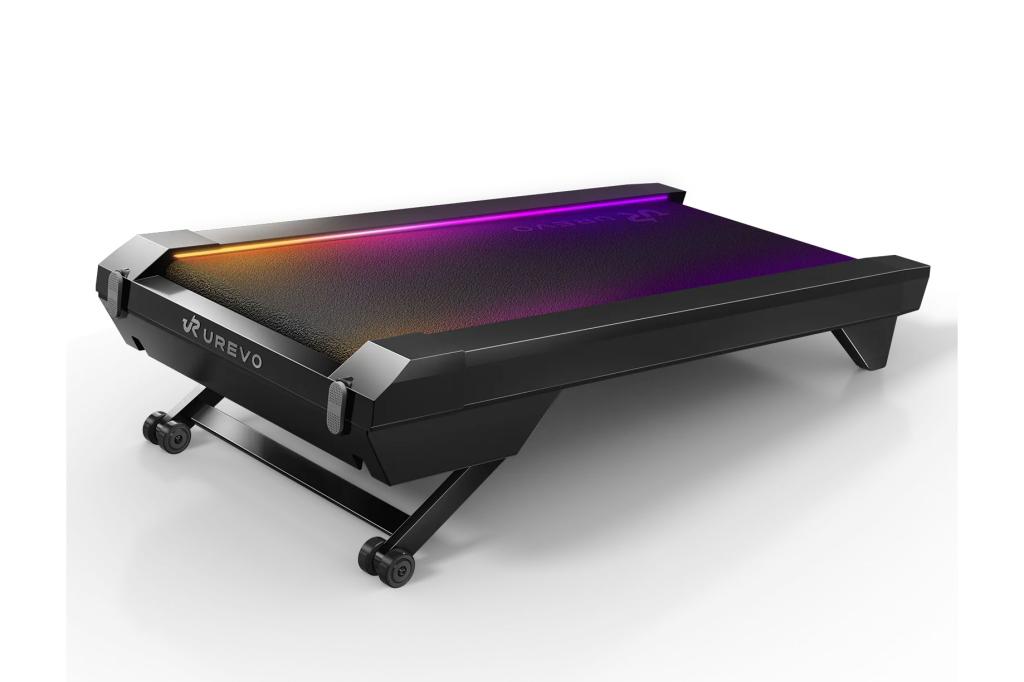
I’ve also used a walking pad while working from home for years, and it remains one of the easiest ways I’ve found to increase my movement without setting aside more time for exercise. I’m currently using the UREVO CyberPad for Office, an under-desk treadmill with speeds between 1km/h and 6km/h and an automatic incline of up to 14 per cent.
The incline lets me increase the effort without walking much faster, although gentle, level walking is generally more practical when typing. I certainly don’t spend every working hour marching uphill. Even short sessions during emails, research, or less concentration-heavy jobs can add a meaningful amount of movement to an otherwise sedentary day.
If walking doesn’t appeal, cycle, swim, dance, use a VR headset, or do whatever else you enjoy. The aim is to make movement fit into your life rather than construct an elaborate new life around exercise.
Week four: Add some strength training
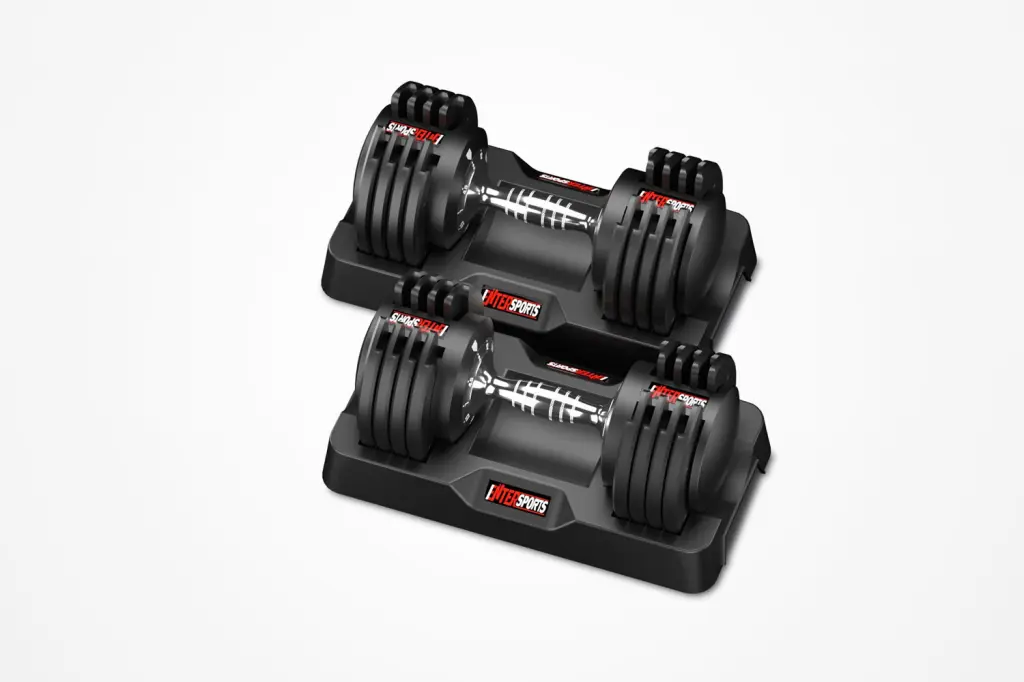
Walking and other cardiovascular exercise are excellent for health, but strength training deserves a place in the plan as well. It can help preserve muscle while losing weight, improve strength, and give you another form of progress when the scales are being uncooperative.
Start with two full-body sessions this week, leaving time to recover between them. A pair of dumbbells, resistance bands, a suspension trainer, or your own body weight can provide everything you need. YouTube and workout apps can supply the structure if you’re panicking at the mere thought of your first lift. It’s honestly nothing to worry about.
Concentrate on broad movements like squatting, pushing, pulling, and hinging at the hips. Keep the sessions short enough that you can imagine doing them again next week without crying. Beginners do not need a six-day bodybuilding split or a workout that leaves them walking downstairs backwards.
Record your exercises, reps, and weights in an app (I use Hevy) or a simple note on your phone. When an exercise becomes comfortable, gradually add weight, repetitions, or difficulty. That progression is more useful than choosing a completely different collection of exercises every session.
Week five: Look at the trend
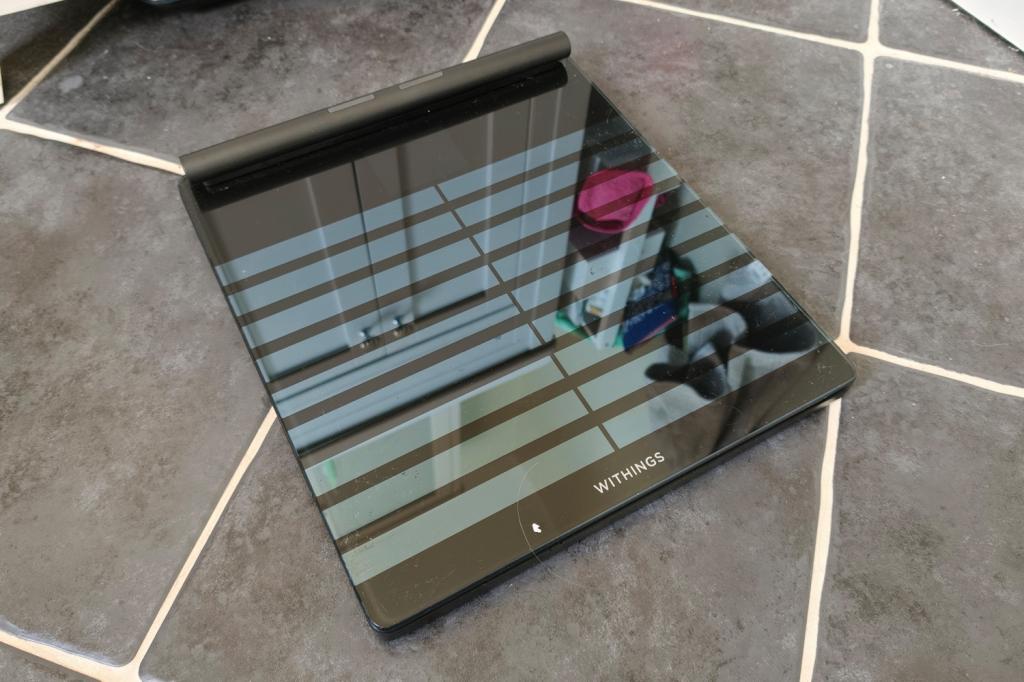
Compare your average weight with the previous few weeks rather than fixating on individual readings. You can also measure your waist, notice how clothes fit, review your step average, and check whether your strength or fitness has improved.
A gradual loss of around 0.5–1kg, or 1–2lb, per week is generally considered a sensible pace, although bodies rarely cooperate by producing exactly the same result every Friday. Progress may be slower, particularly as you get lighter, and that does not mean the plan has failed.
If the overall trend is moving downwards, leave things alone. Faster is not automatically better. If your weight has remained unchanged despite reasonably consistent tracking, slightly reduce your calorie target or add a manageable amount of activity. Change one thing, then give it time.
Treat the calorie-burn estimate from your watch cautiously. Fitness trackers are useful for comparing how active you have been from one day to another, but their figures are not precise enough to justify automatically eating back every calorie they claim you have burned.
Week six: Build your version of the plan
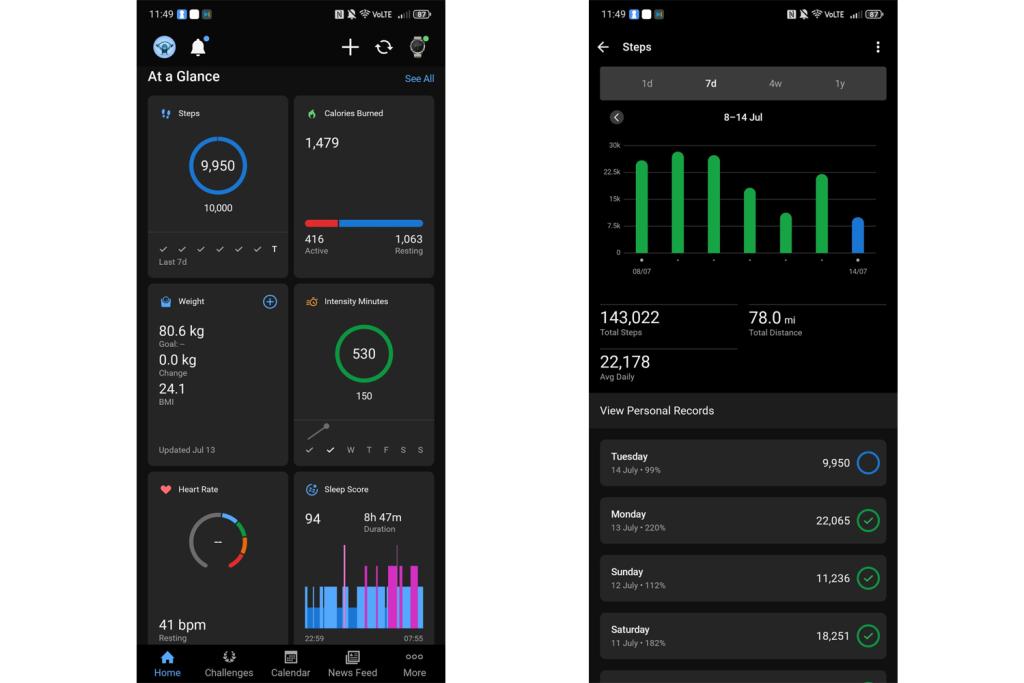
By now, you should have a reasonable idea of which parts of the plan fit comfortably into your life and which feel like unpaid admin.
Keep the fitness tech that genuinely helps. I strongly suggest sticking with the calorie counting app and scale, especially for fat loss. The walking pad definitely helps squeeze in extra, even if it’s in front of the TV.
Now, naturally there’ll be meals you can’t log accurately, workouts you miss, and weeks when your weight behaves strangely. None of this ruins the wider plan (though it will unfortunately feel like it). Stick to it though. You’re looking for consistency, not a perfect six-week streak. The useful result, after all, isn’t a dramatic before-and-after photo, but a collection of habits you can continue without hating your life.


Read the full article here
