







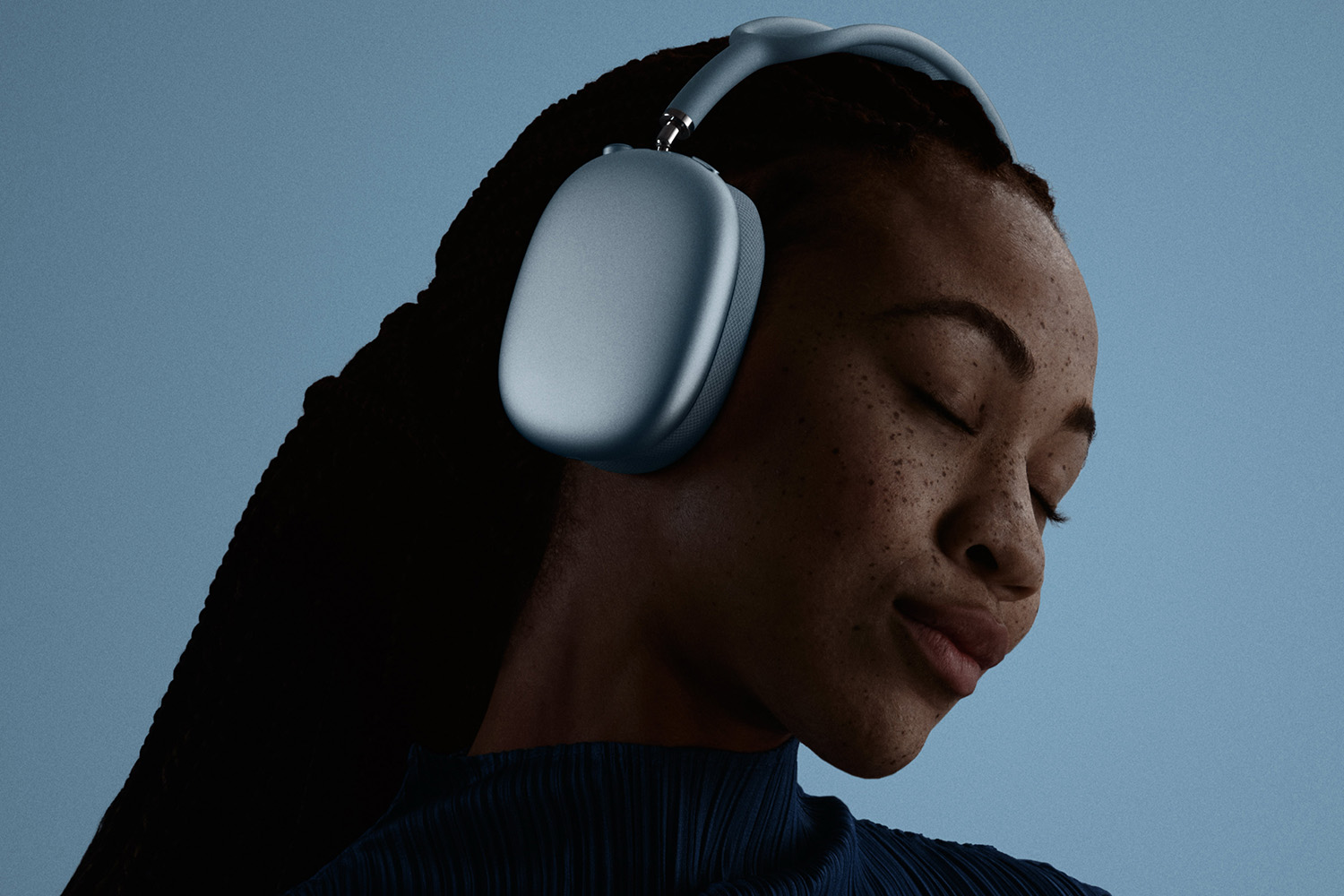
The head of Apple Music extolled the virtues of spatial audio technology, saying it’s more important than lossless audio, simply because far more people with a greater range of devices can actually tell the difference.
Apple Music supports both lossless hi-resolution and Dolby Atmos Spatial Audio, but I’m often surprised that Apple hasn’t developed technology to offer lossless over wireless connections, for use with AirPods Pro and AirPods Max. Android has it through aptX Lossless built by Qualcomm with Snapdragon Sound, but there’s no Apple equivalent. If there was, I’d have bought AirPods Max 2.
Judging by comments made by Oliver Schusser, in an interview with Billboard, Apple doesn’t believe the juice is worth the squeeze compared with getting spatial audio in the ears of everyone through wired and wireless connections.
He says “most fans wouldn’t be able to tell the difference” in a blind side-by-side test when it comes to lossless and compressed music, but that spatial audio enabled anyone with a broad range of headphones to notice a pretty significant upgrade.
Schusser says: “If you look at audio, changing audio standards are hard. And if you look back over like 60 years, there’s only really been mono [and then eventually stereo]. [At Apple Music] we wanted to create a new standard with two distinctive criteria. One: we thought it’s important that people — general people, fans — can notice the difference.
“And number two: we wanted it to work on as many, if not all, devices. Not just Apple devices, but just in general. So, lots of people said lossless is the answer. I heard this from record labels: ‘You gotta do lossless.’ But what they didn’t notice is that lossless actually doesn’t work over Bluetooth. So, when you have a wireless connection, lossless doesn’t actually work. And in the days of AirPods and wireless headphones, the vast majority of people didn’t have wires. So there were lots of people out there not even noticing that.”
He added that: “To the consumer, the magic really happens when the hardware, the software, and services talk to each other and build groups of great experiences. And I actually think that spatial audio, and the work we did with Dolby Atmos, is almost one of the best examples of it.”
Schusser also goes onto talk about the volume of AI generated content making it to the ears of users (less than 0.5%). He called on the streaming companies to ensure AI doesn’t infringe upon the content of artists.


Read the full article here


