


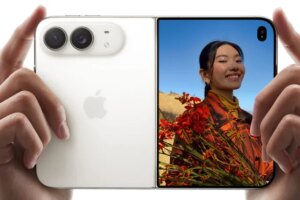





In June 2024, a chip company most people couldn’t name a single product from became the world’s most valuable company. Not a phone manufacturer or a search engine, but a company whose logo you’ve probably never seen unless you’ve cracked open a gaming PC. Nvidia’s stock reached an all-time high that month, pushing it past Apple first and Microsoft a few days later – a rise the BBC noted at the time meant the stock was worth less than 1 per cent of that value just eight years earlier. It didn’t stop there, though.
By July 2025, it was the world’s first $4 trillion company, and just three months later, in October 2025, Nvidia had reached a $5 trillion market cap, increasing its value by $2 trillion in just 16 months. It took most of us longer than that to stop hearing “AI” and instinctively roll our eyes. For context, the Guardian reported, citing International Monetary Fund (IMF) figures, that the $5 trillion figure was larger than the entire GDP of the UK, Japan, or India. Not bad for a company that started out making graphics cards so you could shoot faster in Call of Duty.
From graphics cards to $5 trillion

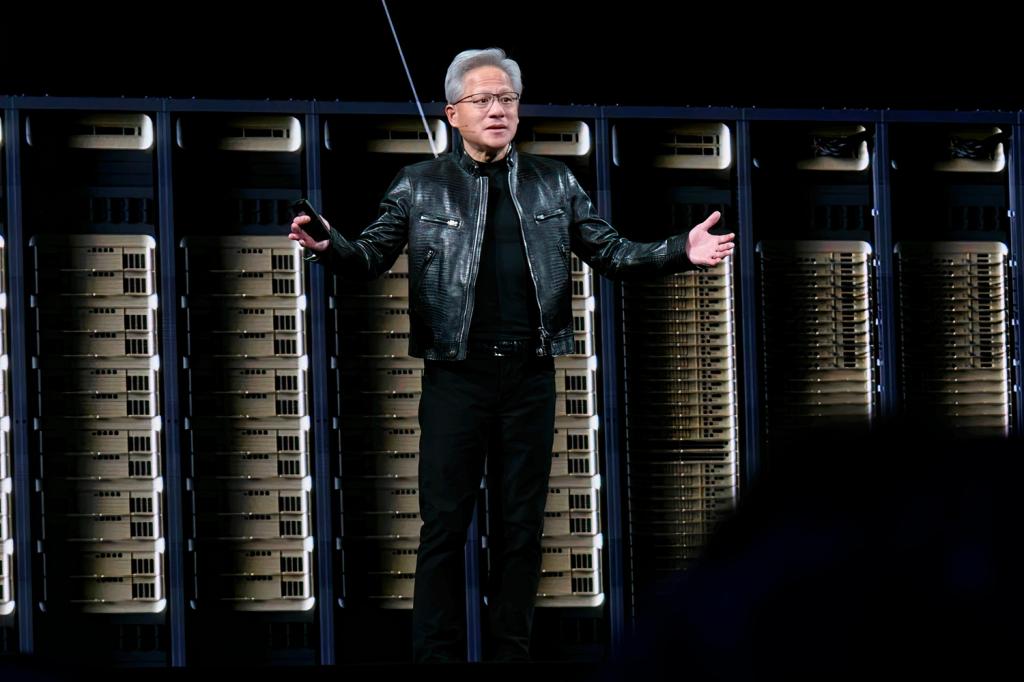
The reason this story is so interesting is that, unlike the other tech big dogs – Apple, Microsoft, Tesla, and even Meta – Nvidia doesn’t typically sell you anything directly (at least not recently if you ignore fan clothing). No phones, no laptops, no tablets. The chances of you seeing its logo on any of those devices and actually noticing it are pretty slim, too.
Its story began in 1993 with a mission to bring 3D graphics to gaming. In 1999, the company invented the GPU – graphics processing unit – as we know it, built to render video game worlds in real time. But that’s not why it’s a $5 trillion company now. The pivotal moment came twenty years ago, in 2006, when Nvidia launched CUDA, software that let scientists and researchers tap into a GPU’s parallel processing power for tasks that had nothing to do with gaming.
Then, in 2012, according to Nvidia’s own timeline, its GPUs powered a neural network called AlexNet, widely credited with sparking the modern AI boom. In other words: the graphics card is the origin story, but Nvidia is worth $5 trillion because it spent two decades becoming the company every AI lab depends on, years before most of us had heard of ChatGPT.
Why one chipmaker ended up running the show
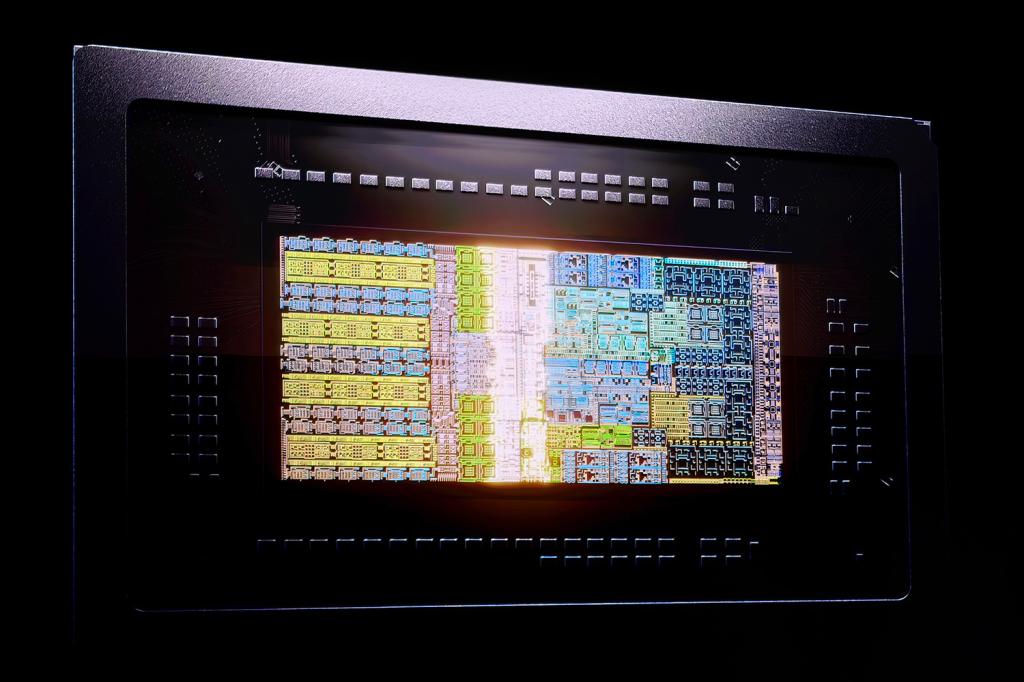
Training a large language model requires crunching huge amounts of data at once, and Nvidia’s GPUs, along with its CUDA software, are built for exactly that. The BBC reported that Nvidia controls the vast majority of the AI chip market, with Microsoft, Google, Meta, Amazon and OpenAI all queuing up at the same counter. Even Apple, its biggest rival for the world’s most-valuable-company title, joined that queue in 2026, when Nvidia confirmed that its GPUs now power server-side AI processing for Apple Intelligence’s Private Cloud Compute. That said, competitors like AMD and Qualcomm are starting to make alternative AI chips, and some companies, including Amazon, Google and Microsoft, are developing their own for cloud services, too, according to CNBC, so Nvidia’s reign may not last forever.
It hasn’t had the spotlight to itself for the past year, either. Nvidia and Apple have swapped the title of the world’s most valuable company a couple of times in 2026; the race could become a new Netflix Drive to Survive spin-off at this point. In July, CNN reported that Apple took the top spot back as investors leaned towards companies with steadier earnings and less exposure to the eye-watering cost of building AI infrastructure. The lead has swapped back again, though, which perhaps suggests the market is still wary about whether the AI boom is a real revolution or the most expensive fad since 3D TVs.
But the next time you get a quiz question asking which company is the world’s most valuable, you’ll know not to write Apple or Microsoft on your answer sheet straight away. At least not without asking AI first. Those companies might make and sell the technology you hold in your hand, but the AI features they offer are possible thanks to a graphics card company most people didn’t know about for 30 years.
Read more: King Charles is bringing together the world’s top AI leaders to ask how we can make tech “good for humanity”




Read the full article here


