



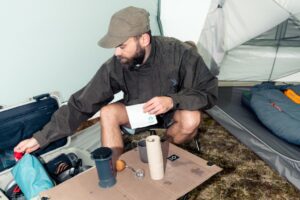



I’ll admit it: camping is not something that comes naturally to me. So when I got the chance to head to Devon with my wife and three-year-old for our first proper family camping trip, I wanted to make sure we didn’t spend the night shivering, damp, or wrestling with tent poles in the dark.
Luckily, I had some expert backup. These tips come from Michael Gaston, Product Trainer at Runners Need, who’s seen just about every camping mistake a beginner can make. Rather than just take his word for it, I decided to test each tip myself, using a TentBox Lite XL as our base for the trip.
We camped during the first heatwave of the year, with a toddler in tow, so conditions weren’t exactly typical. But that made it the perfect stress test for advice that’s supposed to work regardless of what the weather throws at you. Here’s what Michael says trips people up, and how it actually played out for us.
1. Treating camping gear as “plug and play”
One of the biggest mistakes first-time campers make is assuming new equipment will just work straight out of the bag. Tents, poles, and sleep systems often require some level of setup knowledge that is not obvious at first glance.
A classic issue is arriving at a campsite and trying to assemble a tent for the first time, often in fading light or bad weather. What feels like a simple task at home becomes stressful outdoors.
How to avoid it:
Always do a full “at-home test” before your trip. Pitch your tent in the garden or a park, inflate your mat, and set up your sleeping bag. This helps you understand how everything fits together and highlights missing pieces or faults early, not at 10pm in the rain.
Did it work?
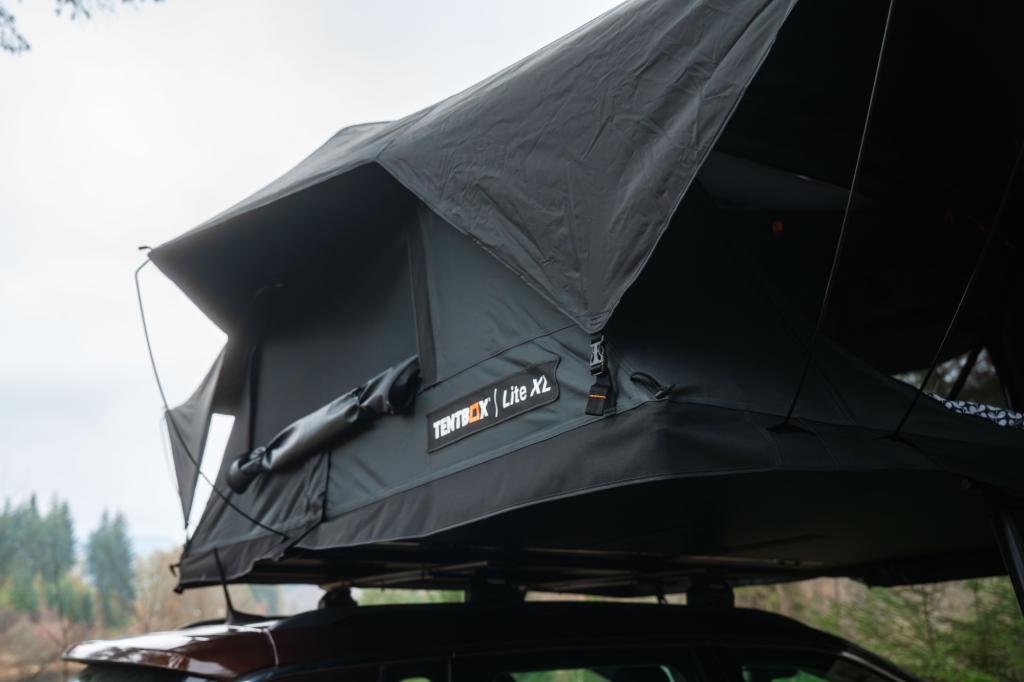
I tested all my gear at home first, to make sure it worked and I knew how to use it. I also had a demo of the Tentbox Lite XL, so I knew exactly how to set it up when I arrived. It all worked — when we got to the campsite (early, as we were camping with a three-year-old), setup was smooth and stress-free.

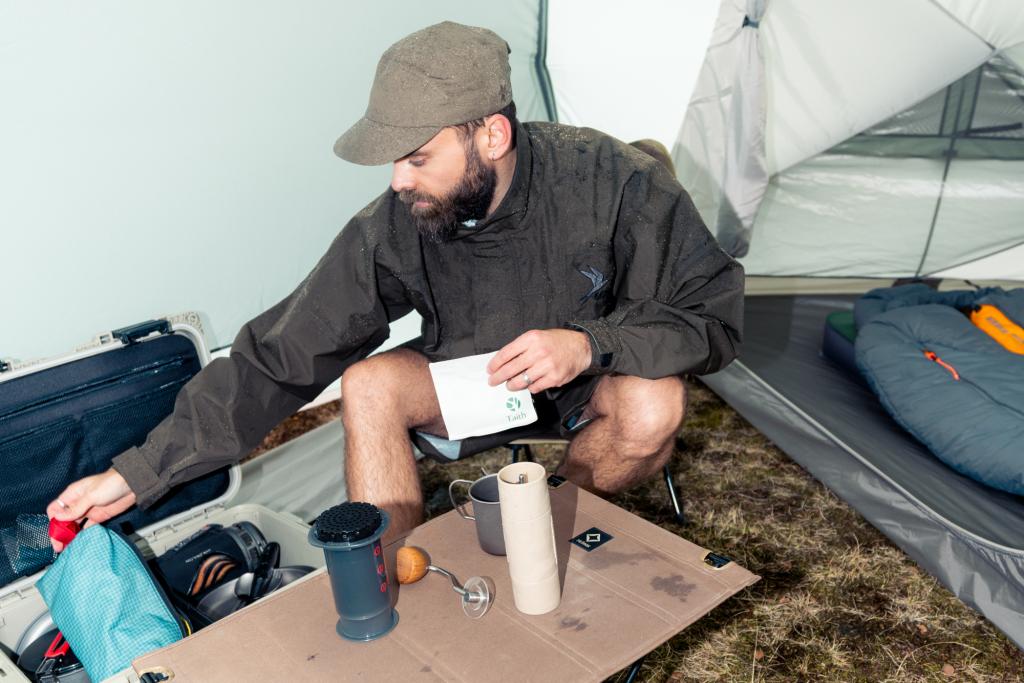
2. Choosing a tent that is too small
Tent sizing is one of the most misunderstood parts of camping. A “two-person” tent is not designed for comfort, it is designed for two people lying shoulder to shoulder with minimal extra space.
This often leads to cramped conditions, nowhere to store bags, and a general feeling of being boxed in. The lack of space also means it’s harder to separate wet and dry clothing/equipment so everything ends up wet.
How to avoid it:
Use the N+1 rule. If there are two of you, choose a three-person tent. If there are three people, consider a four-person tent. The extra space is not a luxury, it makes a huge difference to sleep quality and organisation inside the tent.
Also consider how far you are carrying your gear. If weight matters, balance comfort with portability.
Did it work?
I originally arranged to borrow a Tentbox Lite, a two-person roof tent, for me, my wife and our three-year-old (after all, how much space do three-year-olds take up?). Luckily I switched to the Lite XL, which has a lot more space and was far more comfortable. As mentioned before, we were camping during the first heatwave, so it was great to have that extra space to spread out rather than being on top of each other.
3. Underestimating condensation inside the tent
Many first-time campers think their tent is leaking when they wake up to damp walls or a wet sleeping bag. In most cases, it is not rain getting in, but condensation building up overnight.
This happens especially in single-skin tents or poorly ventilated setups.
How to avoid it:
Choose a double-walled tent with an inner and outer layer. Keep ventilation points open where possible, even in cooler conditions. Understanding this issue in advance avoids unnecessary panic and gear blame.
Did it work?
The Tentbox was really good here — it was warm enough that we could keep the ventilation open the whole time, and we didn’t have any issues with condensation.

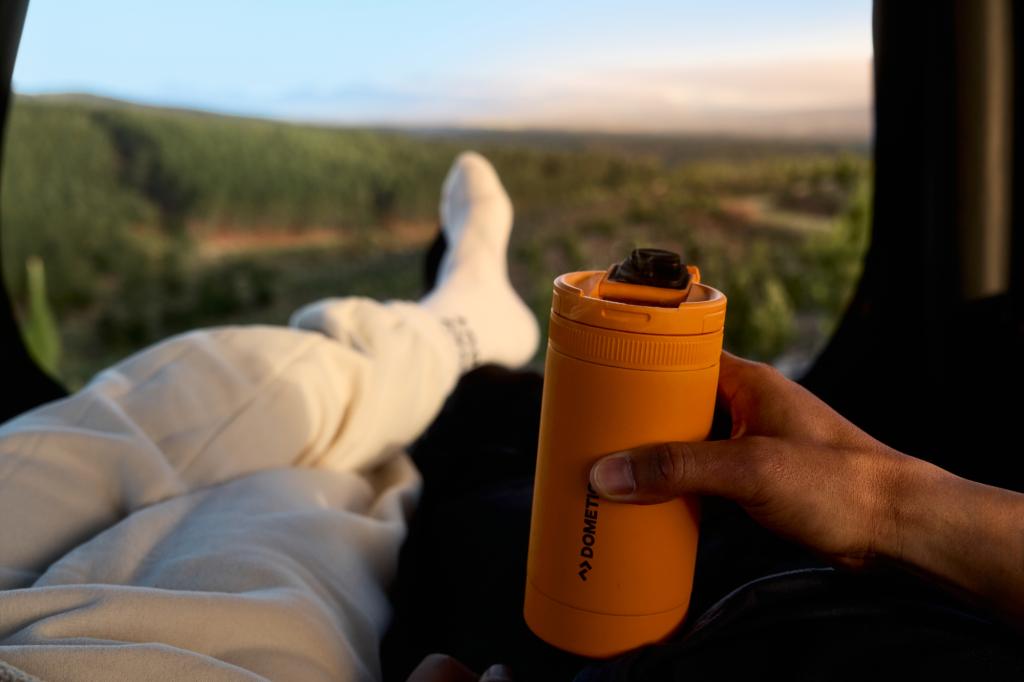
4. Relying on a sleeping bag alone
A very common misconception is that a good sleeping bag is enough to keep you warm. In reality, most sleeping bag temperature ratings assume you are using an insulated sleeping mat underneath you.
Without that barrier, the cold ground will pull heat away from your body all night.
How to avoid it:
Think in terms of a sleep system, not just a bag. Pair your sleeping bag with a sleeping mat that has a decent R-value (around 4 is a good benchmark for three-season camping). Even budget combinations of bag plus mat will outperform an expensive bag used on its own. You should also invest in a liner for hygiene and added warmth (also more sustainable as it makes your bag last longer and avoids washing it), and a pillow where possible to ensure you get the best night’s sleep.
Did it work?
It was so hot when we camped that we just used a blanket rather than a sleeping bag. The Tentbox has a genuinely comfortable memory foam mattress and is obviously raised off the ground, so we had no issues with the cold at all.
5. Pitching in the wrong location
Where you pitch your tent has a bigger impact than most people expect. A poor spot can lead to water pooling, wind exposure, or even damage to your gear.
Beginners often choose convenience over suitability, which can cause problems overnight.
How to avoid it:
Look for flat, slightly elevated ground. Avoid dips or depressions where water could collect, and make sure your entrance is on the ‘lee’ side (out of the wind). Check above you for loose branches, and be mindful of wind direction. If there is no wind when you arrive, look at trees or grass patterns to understand how air moves across the area.
Did it work?
We found a great pitch at our campsite. Our biggest consideration was sun — we found a shady spot so we didn’t get too hot, and wanted it darker in the morning so our little one would stay asleep for longer.
6. Going to bed cold
One of the simplest but most overlooked mistakes is getting into your sleeping bag already cold. Your gear is working to maintain heat, not generate it.
How to avoid it:
Warm up before getting into bed. A short walk or a few simple movements can help. Some campers also use a bottle filled with warm water placed inside the sleeping bag to create initial warmth. Small actions like this can completely change your night.
Did it work?
Thankfully, in 28°C heat, we certainly didn’t have to worry about going to bed cold.
Liked this? 17 camping and adventure gadgets that have earned a permanent spot in our rucksack




Read the full article here


