






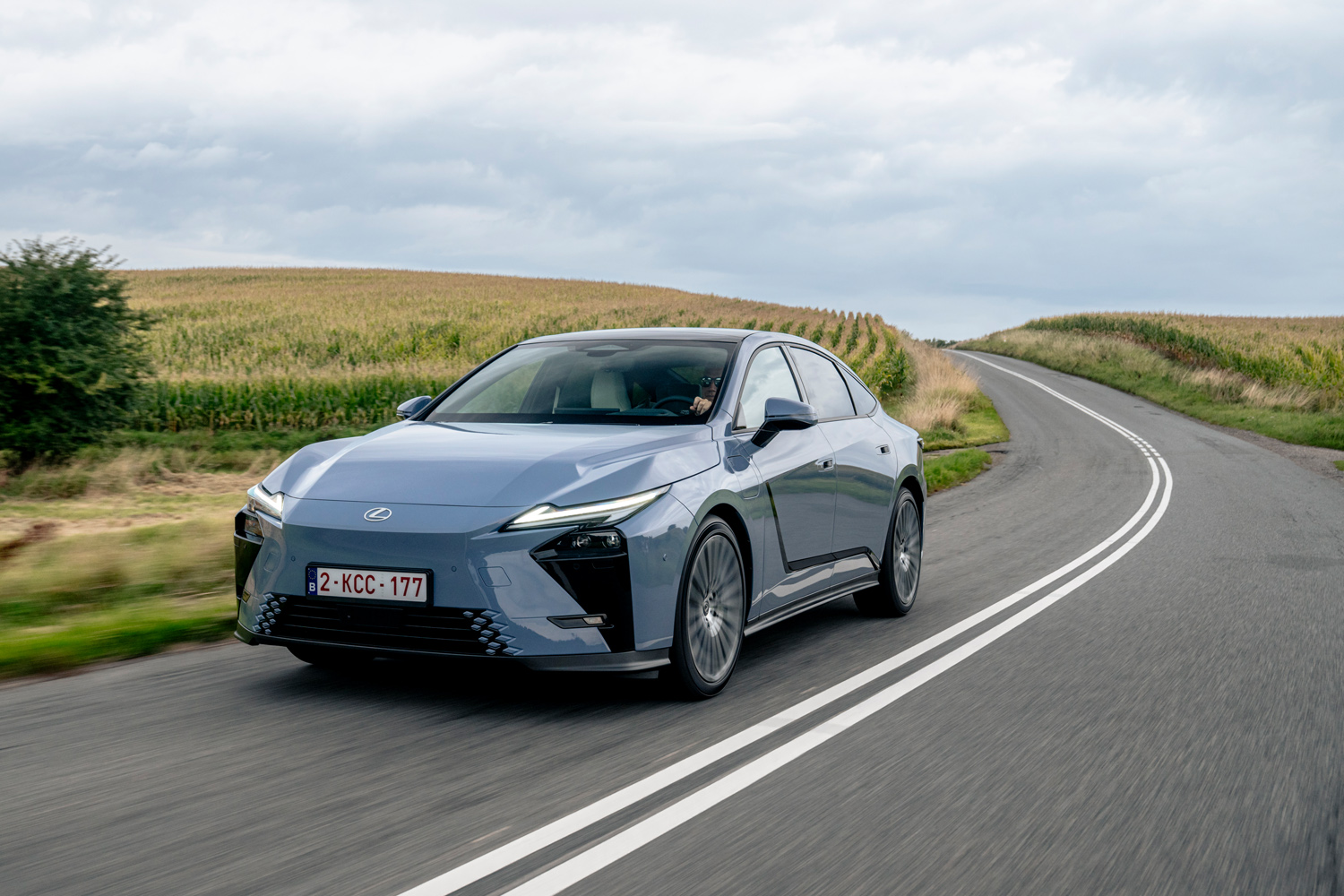
Lexus has gotten exceptional mileage out of the ES. Now in its eighth generation, the mid-level sedan is back with an all-new look and an electric powertrain that is wonderfully refined. Buyers in the US will be able to choose between hybrid or fully electric, while in the UK the single motor 350e model is the only car on offer. There may be the possibility of a dual motor 500e variant arriving if people shout loudly enough.
Big executive saloon options like this are reasonably limited and predominantly German, with the likes of the BMW i5, Audi S6 e-tron and Mercedes EQE already vying for your attention. Fancy something Scandi instead? The Volvo ES90 is a good alternative. One thing they all possess is refinement, which is essential for busy executive types who munch through lots of motorway miles or, perhaps, relaxed retirees who enjoy holidays in far flung parts of the country on a regular basis.
In-between is everyone else, which means the ES might be a little too niche for its own good. Most folks want their SUVs first and saloons second. However, it’s also very good at what it does. I spent some time in one recently, enjoying both the front and, unusually, the rear as a dozing passenger and the Lexus does hit the spot. High levels of comfort, a distinctly premium feel throughout and more than adequate performance make it an impressive new entry in the executive saloon sector.
The styling
It’s good to see Lexus keeping its current styling theme going with the arrival of the new ES. I drove the High Grade model, which is available in the UK as the Lexus ES Premium Plus 350e costing £68,245 ($57,295 in the US), while the lower Premium model costs £59,345 ($55,895). However, this being Lexus, there is also a craftsman caressed Takumi version that costs a whopping £72,455 (or $63,700 as the Executive Package in the US). All variants look good, both on the outside and the inside, though the Premium Plus model feels about right for what you get with that middle ground price tag attached.
The exterior looks very distinguished, with a trademark current Lexus range angular front end and a swooping roofline that heads down to a similarly well sculpted rear end. The Lexus logo has been ditched in favour of letters at the back, just like everyone else seems to be doing at the moment. The profile of the ES is interesting too, with neat and quite radical angles in the door panels highlighted by some black trim. I wasn’t overly impressed by the alloys they had available for the Lexus ES and a charging port at the back of the front wing isn’t my favourite location either. Overall, though, the Lexus ES looks every bit as classy as you’d expect from this premium brand.
Better still, though, was the interior. This was a sea of sumptuous leather-like seat coverings, bamboo-effect door panels and a nicely executed blend of conventional and touch-sensitive switchgear. The panoramic roof really opened up the expansive feel of this car too.
There were deliciously high levels of legroom in the back, even with adults sitting in the front. This was part of the reason why I spent part of my test time sat in the rear. Anyone thinking of hiring a chauffeur will find the Lexus ES a perfect match. Considering the sloping roofline, the Lexus ES is quite big and over 5-metres long, so headroom in the back felt very good, as did the space in the boot, which could surely accommodate a set of golf clubs and a couple of suitcases all in.
The drive
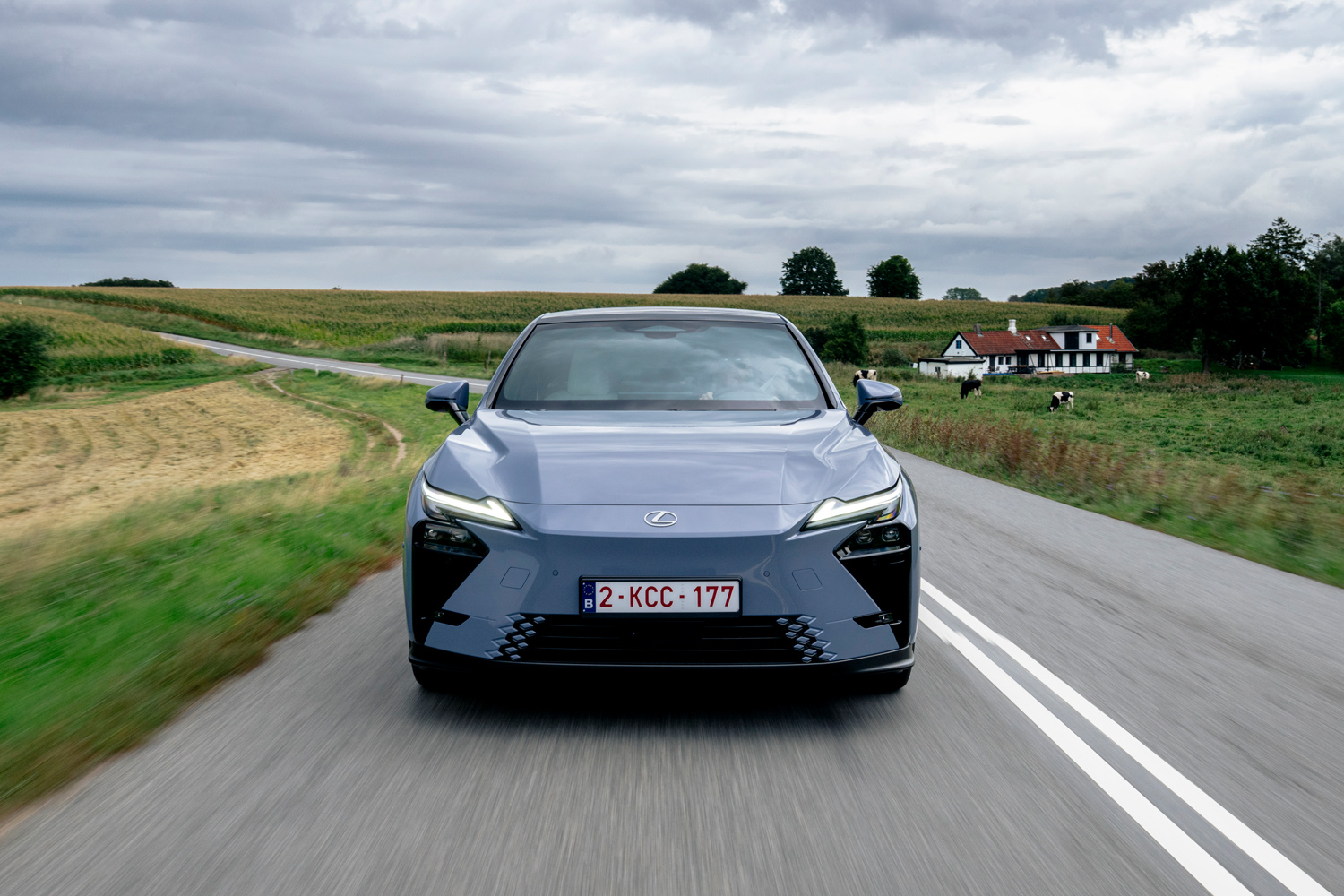
I didn’t get into the Lexus ES expecting it to be some slightly bonkers overpowered electric car and, in that respect, it delivered. In fact, I felt so relaxed behind the wheel that I didn’t really feel like pushing the car. The mood it creates is restrained even though there is a Sport drive mode for anyone wanting to up their Lexus excitement game a touch. To be honest, the Lexus ES felt best when cruising along sedately, and so the 8 seconds 0-60mph and the 99mph top speed figures were about right for this type of car.
The other thing was the ride quality, which was very good indeed. My car had 21in alloys and combined with the exquisitely engineered suspension setup, they handled any rough stuff on the roads with ease. I liked the low-down stance of the driving position too and, along with a really good feel to the steering, driving the Lexus ES was an absolute pleasure.
The same applied to enjoying the ride in the back. It was very comfortable, although some of the soft pillowy things like you get in a high-end Mercedes or Genesis would be a welcome addition. Again, it’s easy to miss the understated feel of all the refinements. During my drive day, people commented how quiet the indicator sound was. Japanese engineers obviously thought it was vital to dull down such an annoyance in order to enhance the interior ambience.
I wouldn’t say the Lexus ES will provide owners with much excitement in the driving department but it’s just not that kind of car. Anyone needing calm during a long drive, though, will love it. The Lexus ES wasn’t bad around town either, with its large proportions easy to tame thanks to that great steering and plenty of camera/sensor assistance for tight spots.
The technology
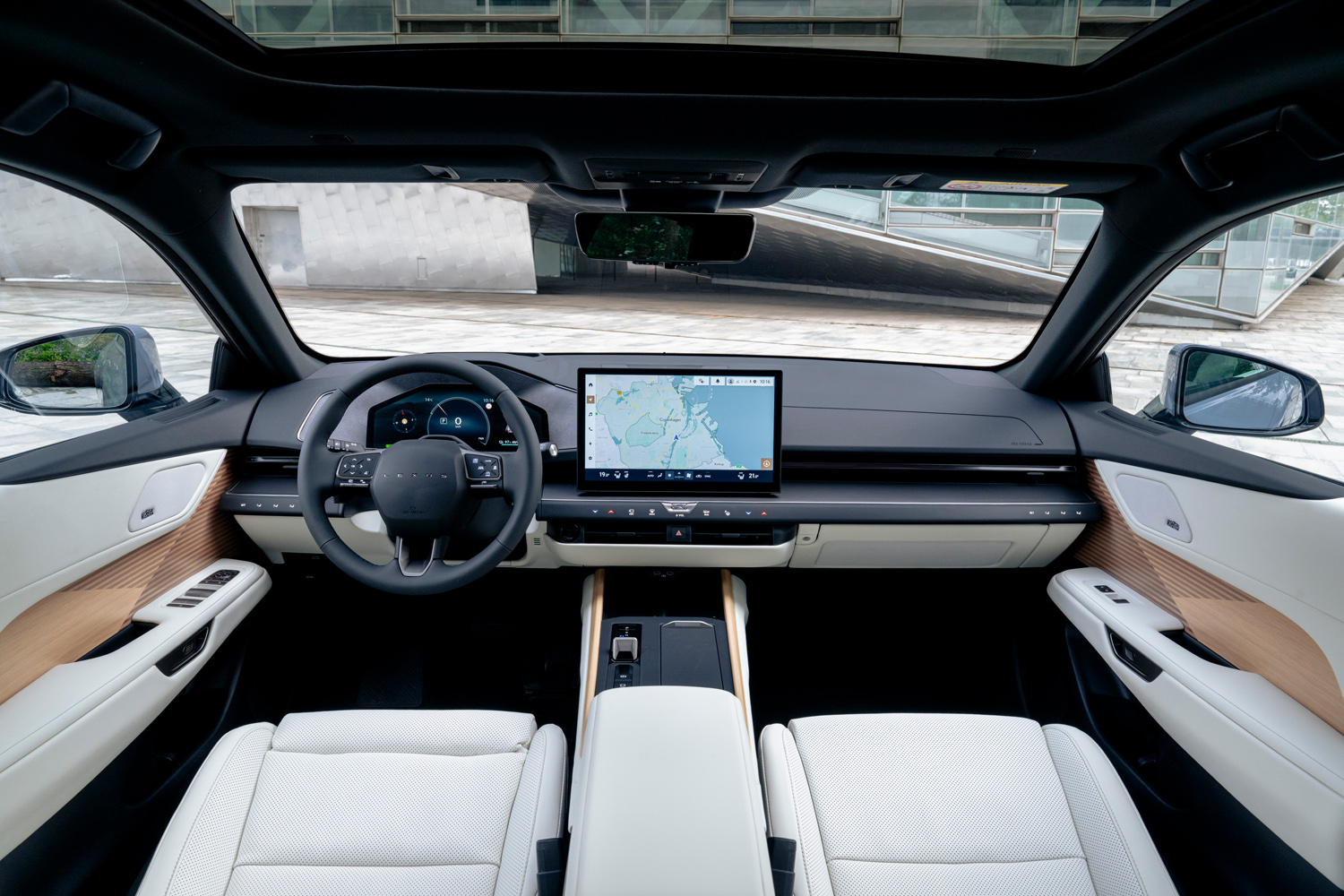
I quite like the way Lexus dishes out its tech treats, and the ES was no exception, especially when it came to the Premium Plus trim edition I tried. A familiar Lexus feature was the 17-speaker Mark Levinson audio system I’ve encountered on other cars in the range, and I’ve always found that to be a highlight. I also loved the graphics and overall execution across both the digital driver display and the 14in central touchscreen. A head-up display completed the visual treats.
Compared to many Chinese cars that have very small icons and scratchy typefaces, the Lexus felt every bit as sophisticated as it should have been with easy-to-read information displayed via a classy colour scheme. Naturally, comfort tech was well represented too with heated and cooled electrically adjustable front seats. This feature is also available in the back for anyone heading for the Takumi model.
Other subtle but value-adding features in my car included wireless charging pads, low-key touch-sensitive controls that come alive when your finger nears them and soft-close doors. The latter is a cool feature often lost on many folks it seems or they get overlooked entirely.
While the Lexus ES isn’t overly ostentatious on the tech front, there was enough here I thought to keep most people happy. After dark fun could be had thanks to the way the bamboo effect trim could be illuminated, and those haptic buttons work well once the light fades. It was all very good really, without having any really shouty gimmicks. Typically Lexus, I guess.
Lexus ES verdict

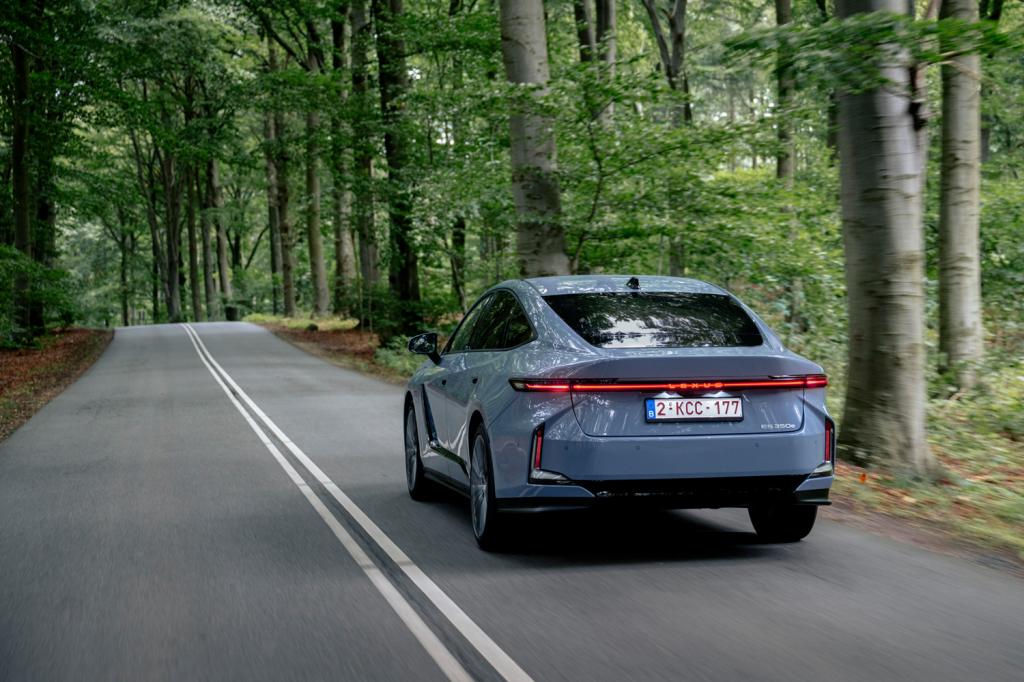
The Lexus ES isn’t going to be for everyone but if you’re hankering after a big all-electric luxury saloon that isn’t German, there’s much to like. The comfort levels are impressive and the space both front and rear are fantastic too. While the Lexus ES might not be the most exciting electric car to drive, there is no doubting the smooth, refined feel on offer. Combined with a stylish exterior and generous levels of tech, this is a car for folks who like to do things differently.
Lexus ES technical specifications
Scroll to see more →
| Specifications | Lexus ES |
|---|---|
| Powertrain | Permanent magnet synchronous motor |
| Battery | 77kWh |
| Power | 221bhp |
| Torque | 198lb-ft |
| 0-62mph | 8.0sec |
| Top Speed | 99mph |
| Range | 361 miles |
| Maximum charge rate | 150kWh |
| Cargo volume | 517 litres |




Read the full article here


