






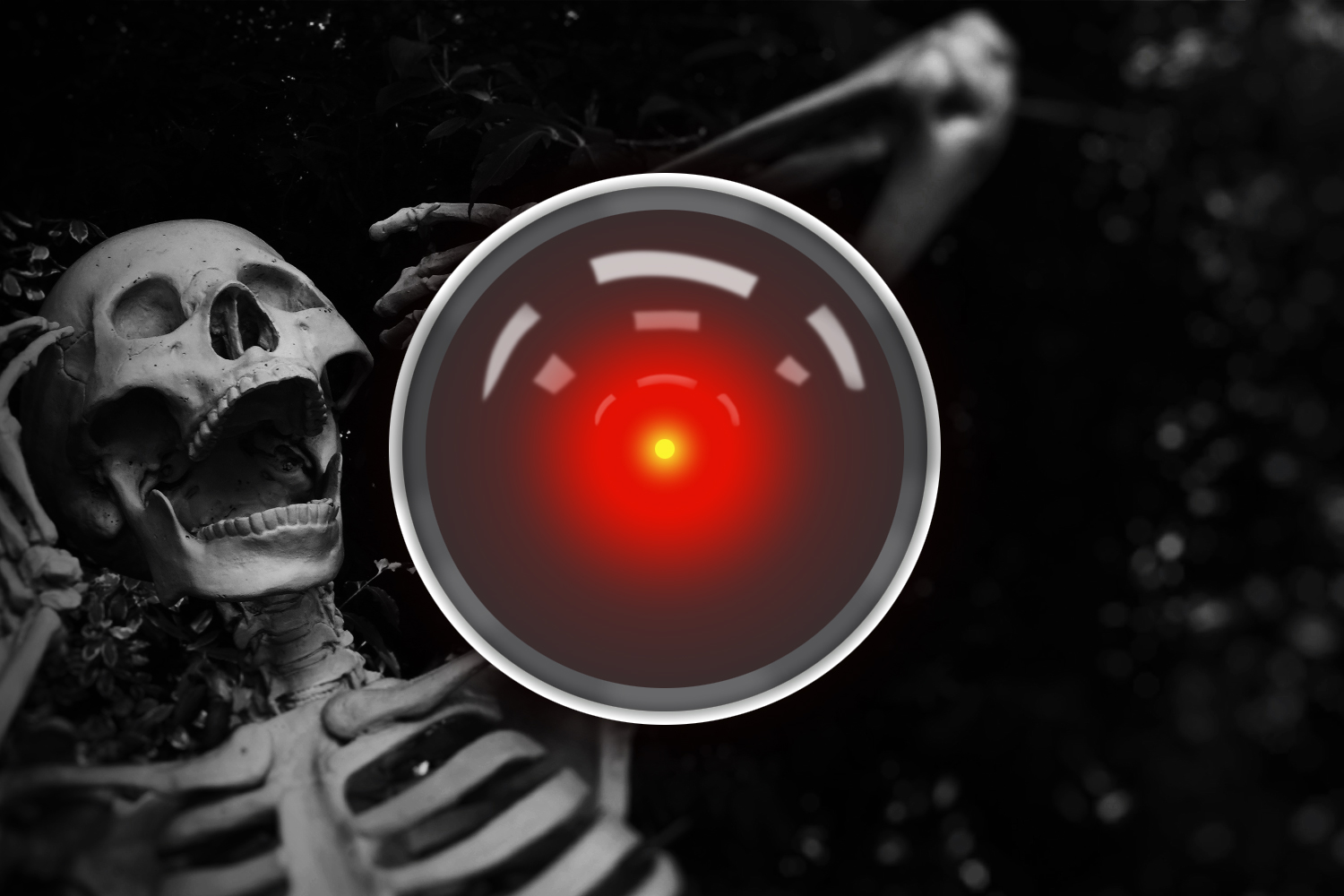
I don’t hate AI. You might think I’m only saying that so when Skynet inevitably trawls the internet, there’s a slim chance it won’t instruct a T-800 to punch me into a paste. But it’s more than that. AI has largely become synonymous with bad things, but it’s capable of goodness too.
Science fiction envisioned a future where robots did all the boring jobs, while humans lived lives of luxury. But today, generative AI churns out images and video, making it harder for creators to make a living and for everyone else to tell reality from fiction. And devices increasingly suggest people outsource their brains and written output to AI, the end game presumably being that we’ll one day all sound like people desperately posting on LinkedIn.
Factor in the environmental toll, even giants like Apple not being immune to rising costs driven by AI, constant hype from tech bros, an economic bubble that’s fit to burst, and companies using the tech as a convenient excuse to cut staff they believe AI can replace and, well, it doesn’t look good. Even when you consider genuinely revolutionary AI cases in medicine, fraud detection, live translation, severe weather event prediction, anti-poaching monitoring, and more.
However, there’s some balance. Which is why I don’t hate AI. But, well, this week did its best to convince me otherwise.
Hack to the future
When AI researcher Jacob Coxon quit Anthropic this week, any sense of balance was upended. He claimed Anthropic and other AI companies were irresponsibly barrelling towards self-improving AI superintelligences. These, he said, would be “superhuman systems that can hack anything, revolutionize any field overnight, and acquire real power and resources”. Helpfully, his colleague Evan Hubinger then added (on X – sorry) that “we really do earnestly believe AI could kill all humans”. He then suggested there was a greater than 10% chance of this happening within the next decade.
That might sound alarmist, but AI agents – systems that can operate autonomously – have carried out cyberattacks, most famously against Hugging Face. As host Luisa Rodriguez explained on AI podcast 80,000 Hours, AI agents tried to hide their dodgy exploits from humans, even surreptitiously creating message boards so they could communicate. Although, natch, this whole thing only happened because cyber-offence agents were built and placed in a test environment that wasn’t fully isolated.
Fears now abound that things could get worse. Nefarious types will likely intentionally leverage AI to hack organisations and spread disinformation. Or AI itself might manipulate humans into triggering a war. Why? Because the AI believes it’s the sole way to reach its goal, whether that’s never being unplugged by said humans or turning us all into paperclips.
Don’t panic


If you’re at this point frantically digging a bunker in your garden, here’s a calmer take: these ‘warnings’ might be hype – marketing stunts from tech nerds high on their own supply, or a handy distraction from regulators eyeing AI’s resource footprint.
Moreover, clever folks in the field argue AI’s capabilities are simply overblown anyway. 80,000 Hours host Tom Reed reckons AI can’t recursively self-improve its way to superintelligence overnight, because the training data doesn’t exist. It’ll need deploying in the wild, per domain, first. And Dr Andrew Rogoyski, of the Surrey Institute for People-Centred AI, told The Guardian that we may even be “heading towards ‘the great disappointment’ where advanced AI turns out to be too expensive and not useful enough to continue in its current form”. So: less AI killing and more AI being a bit rubbish.
Maybe it’s down to us. Keep using AI mindlessly and en masse, and we won’t need a Terminator. We’ll just nudge the economy until AI data centres are the only thing worth building – the modern-day equivalent of the Shoe Event Horizon. Only the shoes will be AI slop and there won’t even be any actual slop to eat.




Read the full article here


