






Tired of lazy AI content infecting your smartphone? YouTube is tightening its moderation on AI-generated content, with a new system that will automatically label realistic AI videos – even if creators don’t disclose that they’ve used artificial intelligence in their videos.
The platform has required creators to disclose realistic AI-generated or significantly altered content since 2024, but it’s now introducing its own detection systems to help identify content that may not have been properly disclosed.
If YouTube identifies what it calls “significant photorealistic AI use”, it will automatically add a disclosure label to the video, even when a creator hasn’t marked the content as AI-generated themselves.
The move comes at a time where AI-generated video is incredibly convincing and under the updated system, AI labels will also become much more visible. On standard YouTube videos, the disclosure will appear directly beneath the video player and above the description. On Shorts, it’ll be displayed as an overlay on the video itself.
Importantly, YouTube says that these labels are reserved for content that’s photorealistic and meaningfully altered or generated by AI. More obviously artificial content, such as animations, stylised videos, or clips with only minor AI modifications, will continue to carry disclosures tucked away in the expanded description.
Creators will still be able to challenge labels they believe have been applied incorrectly through YouTube Studio. There are some exceptions, however. Labels can’t be removed from content created using YouTube’s own AI tools, including Veo and Dream Screen, or videos containing industry-standard C2PA metadata that confirms they were fully generated by AI.
YouTube says that the labels are informational only and won’t affect how videos are recommended, nor will they impact a video’s ability to earn advertising revenue. The company says the goal is to improve transparency for viewers while still giving creators control over how their content is managed.
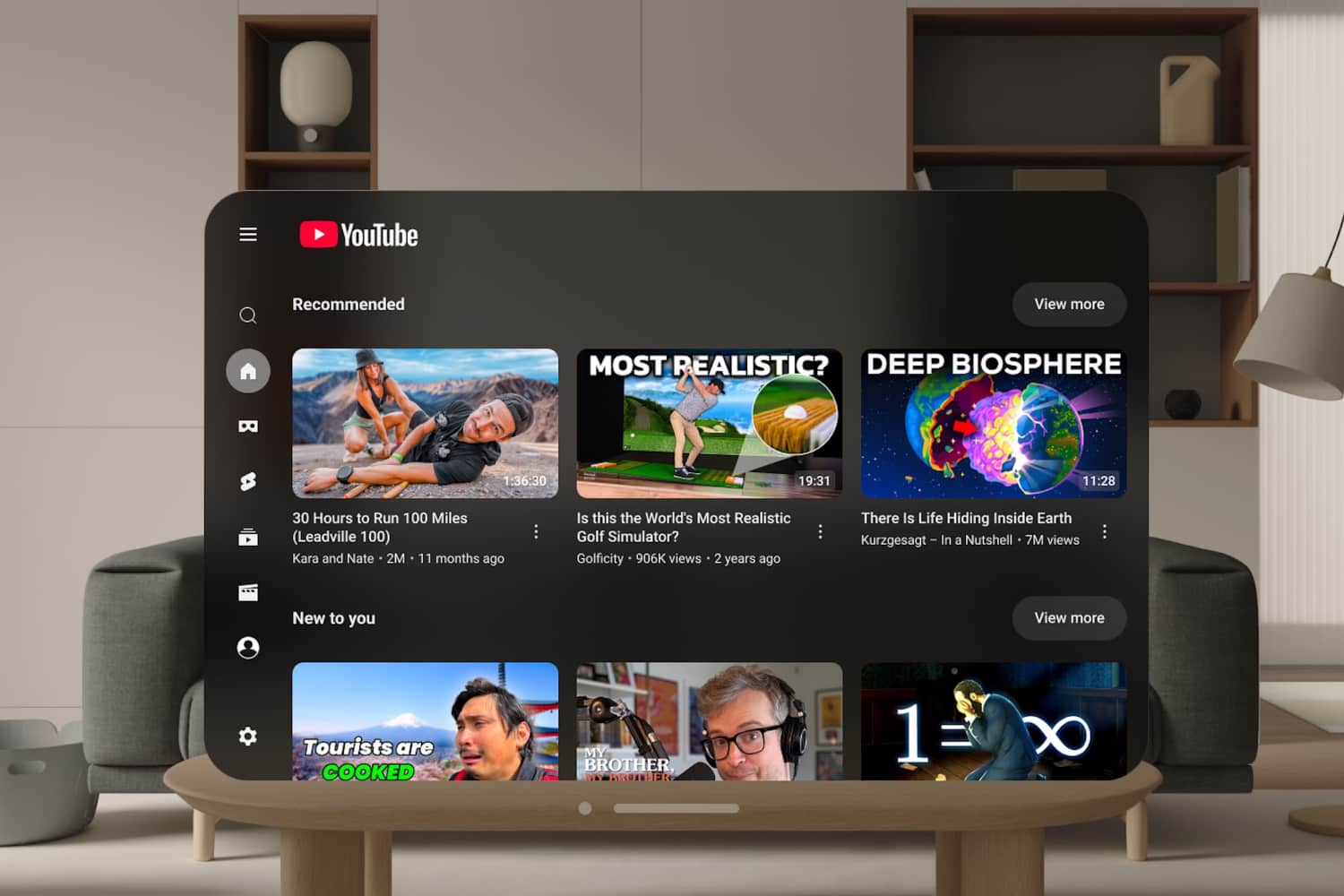
Elsewhere, YouTube is also rolling out personalised content feeds that can be generated from custom prompts. Users can describe the type of videos they’d like to see based on their interests, mood, or preferred topics, and YouTube will create a tailored feed in response. The feature is now rolling out to signed-in users in the US across the mobile app and desktop, provided watch and search history are enabled.


Read the full article here


