







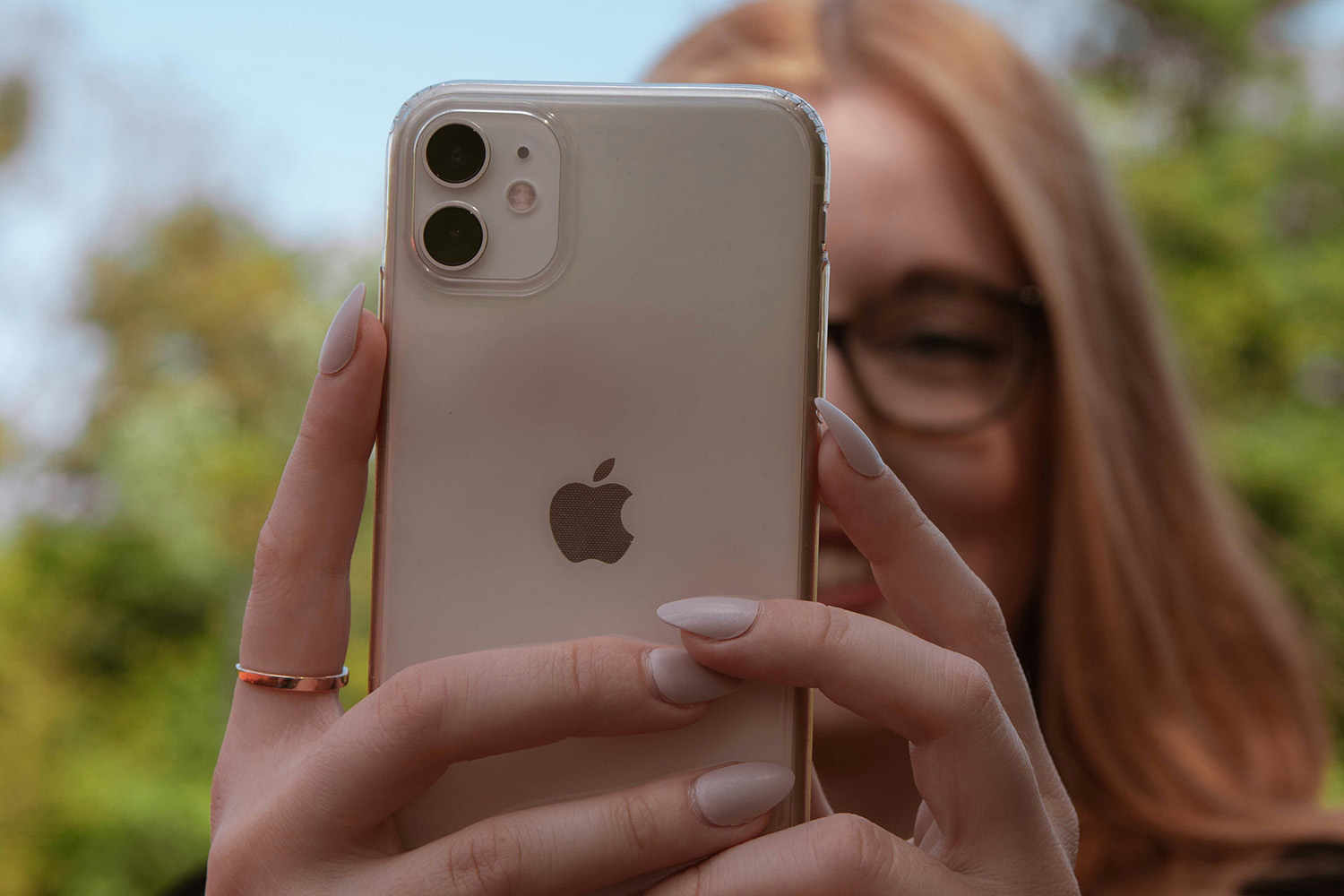
It’s no secret that Apple will launch at least the iPhone Fold tomorrow as well as (probably) the iPhone 18 Pro. But now is actually one of the best times to buy a new iPhone while prices on older models are at their lowest.
You might have read that smartphones are undergoing price rises this year. Like all consumer electronics, phones are being affected by chip and memory price increases which have been inflated due to demand. And that demand has mostly been fuelled by the AI boom and the resulting massive increase in data centre capacity needed. But it’s important not to overlook other factors, such as the increased cost of living generally since the pandemic due to the situations in Ukraine and Iran.
Manufacturers can’t simply absorb rising memory costs indefinitely without either raising prices, reducing the amount of storage in a phone, or squeezing margins.
Apple has already increased prices almost across the board this year, resulting in hefty increases across many products – the new Mac mini M6 has a $300/£300 higher starting point than the previous M4 model. It seems certain that the new iPhones will carry at least a $100 more epensive starting price point and this could easily be $200 on the Pro models. The foldable is a new market for Apple, of course, and we’re expecting it will clock in at $2000 plus.
One interesting point is whether the iPhone 17 series will rise in price after this week’s Apple Event which it may well do. If it doesn’t, that will be because of competition and the need to keep the price low.
Falling shipments
Analyst IDC predicts that global smartphone shipments will fall nearly 14% this year which it says “would mark the steepest annual contraction in smartphone history”. However, the actual value of the smartphones sold will rise because of price premiums – Gartner suggests price rises would be equivalent to 13% across the board.
“Higher prices will narrow the range of devices available, prompting buyers to hold on to devices for longer, fundamentally altering upgrade cycles,” said Ranjit Atwal, Sr Director Analyst at Gartner.
It’s not just expensive phones that are being squeezed either. The GSMA is the industry body for smartphone makers. Its latest Circularity Report says that a 128GB smartphone costs 20–30% less to manufacture than an otherwise identical 512GB model. “Global memory chip shortages are increasing the cost of new smartphones in 2026, particularly for entry-level and mid-tier devices,” says the GSMA’s Steven Moore. As a result, the trade body expects the used smartphone market to grow by around 8% annually over the next few years.
Counterpoint Research says the $100–$249 part of the market for cheap phones is particularly vulnerable – it believes that fewer cheaper phones will be sold. It expects the memory shortage to persist until late 2027, which is great news obviously…


Read the full article here


