







In the 1990s and early 2000s, there was a race to produce ever-higher clockspeed-centric PC chips. Yet the race hit a wall with Intel’s Pentium 4. Not all Pentium 4 variants were bad, but the high power consumption and high heat output of 2004’s Prescott in particular meant the chips were woefully inefficient.
The cancellation of the Pentium 4 led to a generation of more power efficient, multi-core processors thereafter, a trend that was only heightened with the debut of the mainstream smartphone in the latter part of the decade.
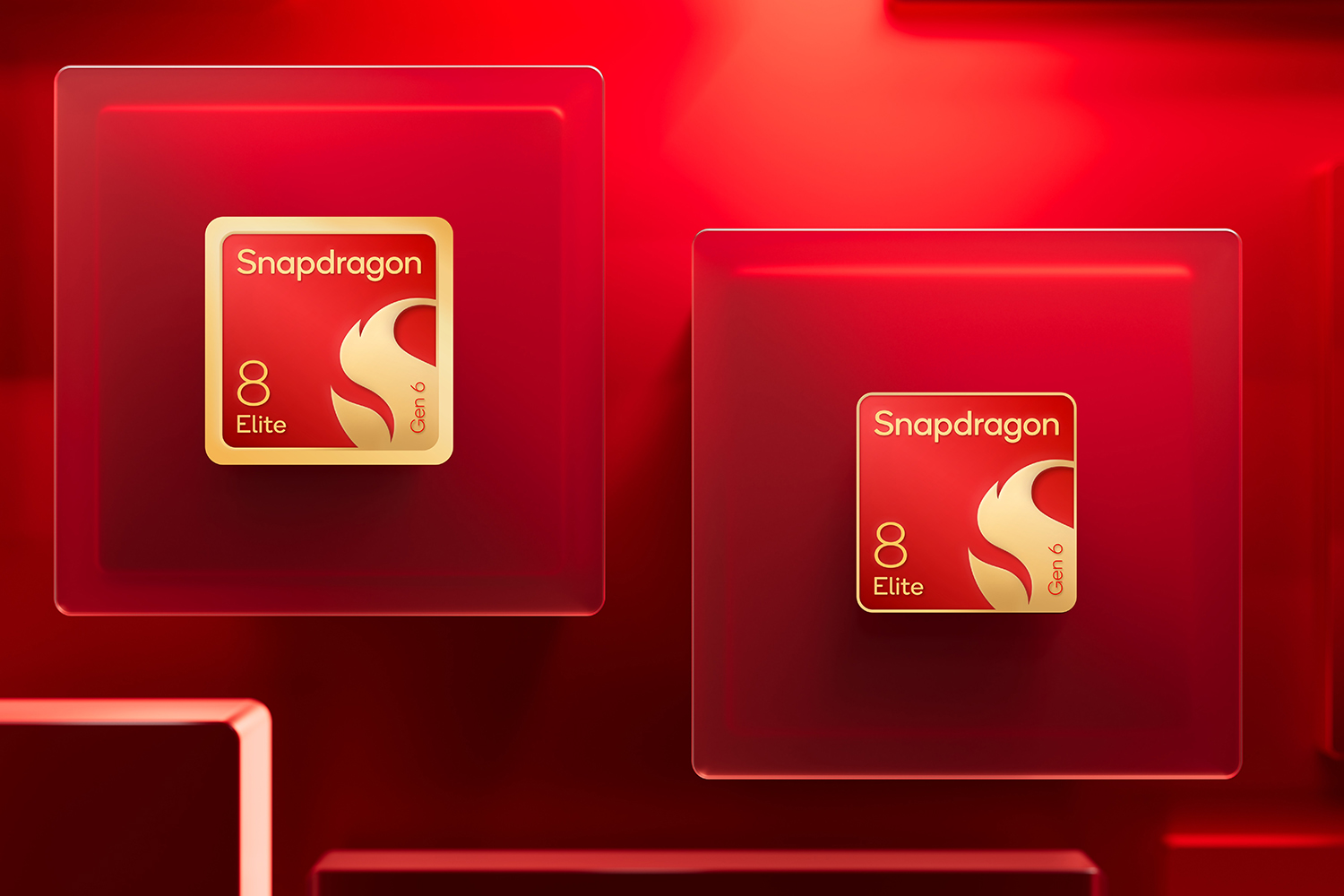
Roll on 20-odd years to today and we find PC and smartphone chip maker Qualcomm appearing to want to reignite the speed war even though, of course, all chips have numerous points of comparison. The Oryon CPU inside its new Snapdragon 8 Elite Gen 6 and ridiculously-named Snapdragon 8 Elite Extreme Gen 6 have peak speeds over 5GHz, beating Apple’s iPhone 18 Pro chip – the A20 Pro – by a small margin (it reportedly offers peak speeds up to 4.93 GHz). Like the A20 Pro, Qualcomm’s latest chips use a 2nm manufacturing process which means they are among the most power efficient chips yet made.
Like Apple, Qualcomm designs its processors itself despite the CPU cores being based on the ARM instruction set. “It comes from a fully custom design,” says Qualcomm. “We designed the microarchitecture, the implementation choices behind it and the CPU subsystem around it, so every part is ours to tune.”


One key feature in the latest-generation of the Oryon processor is Flex Cache. It lets the processor dynamically share its memory cache between different cores. It means improved performance because more frequently-used data is kept close at hand without the need to access the slower main memory.
Naturally, these are premium chips, so expect variants of them to appear in next year’s flagship devices such as Samsung’s S27 series – but the decision to have two distinct flagship mobile chips is an interesting and potentially confusing one for smartphone buyers. The Extreme chip has all the capabilities of the standard 8 Elite Gen 6 but adds increased AI smarts for running complex models, larger shared memory and several added video capabilities including 240fps 4K slow mo and 8K video capture at 60fps.
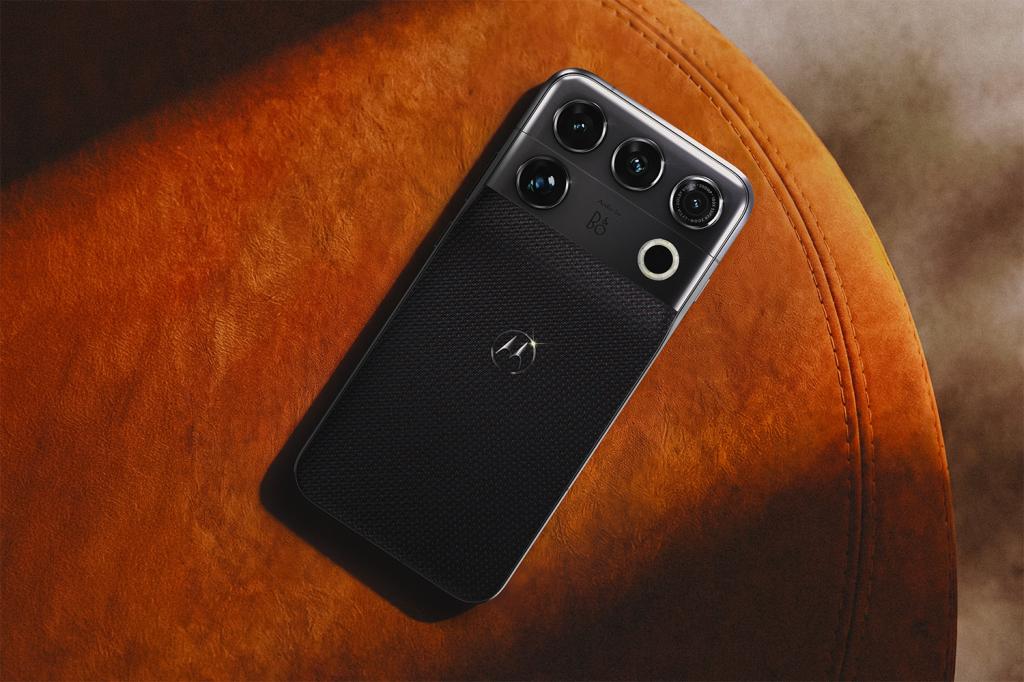
Motorola has already announced a handset that will be featuring the top-end Snapdragon 8 Elite Extreme Gen 6 in the form of the Motorola Signature 27, which we don’t have a lot of details about at present. It will be launched before the end of the year and we do know it will have audio by Bang & Olufsen. Expect more announcements of devices featuring the new chips imminently.




Read the full article here


