







Introduction
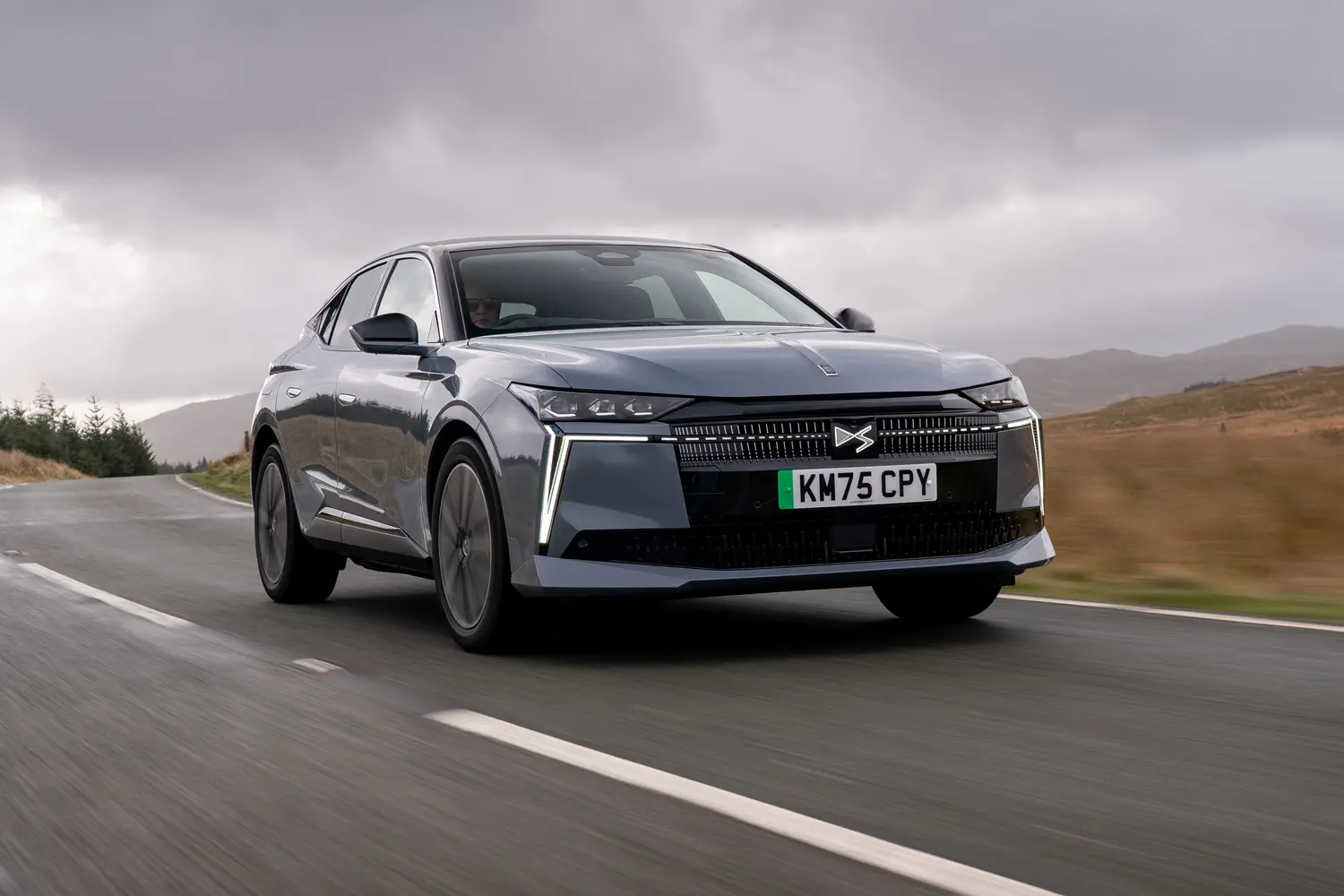
The DS No 4 has been around for a few years now, but the good thing about this electric edition is that it looks bang up to date. While buyers can still choose from mild hybrid and plug-in models, the DS No 4 Pallas+ E-Tense comes with an a look and feel that’s very of the moment. However, there are many options in this segment, including the likes of the Peugeot e-308 and Vauxhall Astra Electric – both of which come from the same Stellantis group EMP2 platform conveyor belt.
Thankfully, DS has always had quirky design appeal to help lift its output above other models from the Stellantis pack and the DS No 4 Pallas+ E-Tense is no exception. Depending on the trim chosen – ranging from Pallas, Pallas+, Etoile and decidedly posh Etoile Nappa levels – the fancy touches are laid on thick and fast. The No 4 Pallas+ I’ve just driven feels like a good middle ground without going overboard but, with extras, my car was a smidgen over £40,000. I’m obligated to tell you there’s no US pricing, but American customers are already well aware DS doesn’t sell its cars there.
Nevertheless, this car comes nicely finished, with plenty of characterful touches to help it stand out from the crowd. A rare thing these days, right? Plus, it’s got more than enough of the everyday essentials, without being packed to the rafters with loads of expensive add-ons that’ll never get used. What’s more, any decent DS worth its salt, much like a good Citroen, comes with plenty of comfort on the inside. The DS No 4 delivers plenty of that too.
The styling
Most DS models are easily spotted thanks to their design flourishes and, although the DS No 4 isn’t especially different to many other family-sized electric cars on the road, I thought it did have an identity. There’s an interesting front end, made even more illuminating at night with a DS badge that lights up and a distinctive line of lighting that runs from side to side. Just above, the slender headlights looked cool too as they’ve been nicely integrated just below the bonnet line. The angular design gives the DS No 4 quite a squat stance too, even though it’s actually higher off the ground than I’d expected.
However, it was the inside that featured most of the trademark DS design flourishes, with diamond cloth seat coverings setting the tone. This was closely followed by DS’s obsession with diamond patterns, and they featured throughout the cockpit, even down to the electric window buttons. I thought it added a distinctive feel to the cockpit, although anyone not liking diamond patterns would be advised to look elsewhere.
My test car had a bunch of options that had pushed up the on the road price, but even standard equipment included LED ambient lighting and an electric seats pack. The car also came with a heat pump, which makes sense for cars built for the UK market. Other options included an electric tailgate and a ‘comfort pack’ although, to be honest, any DS is usually comfortable enough at the default settings.
The drive
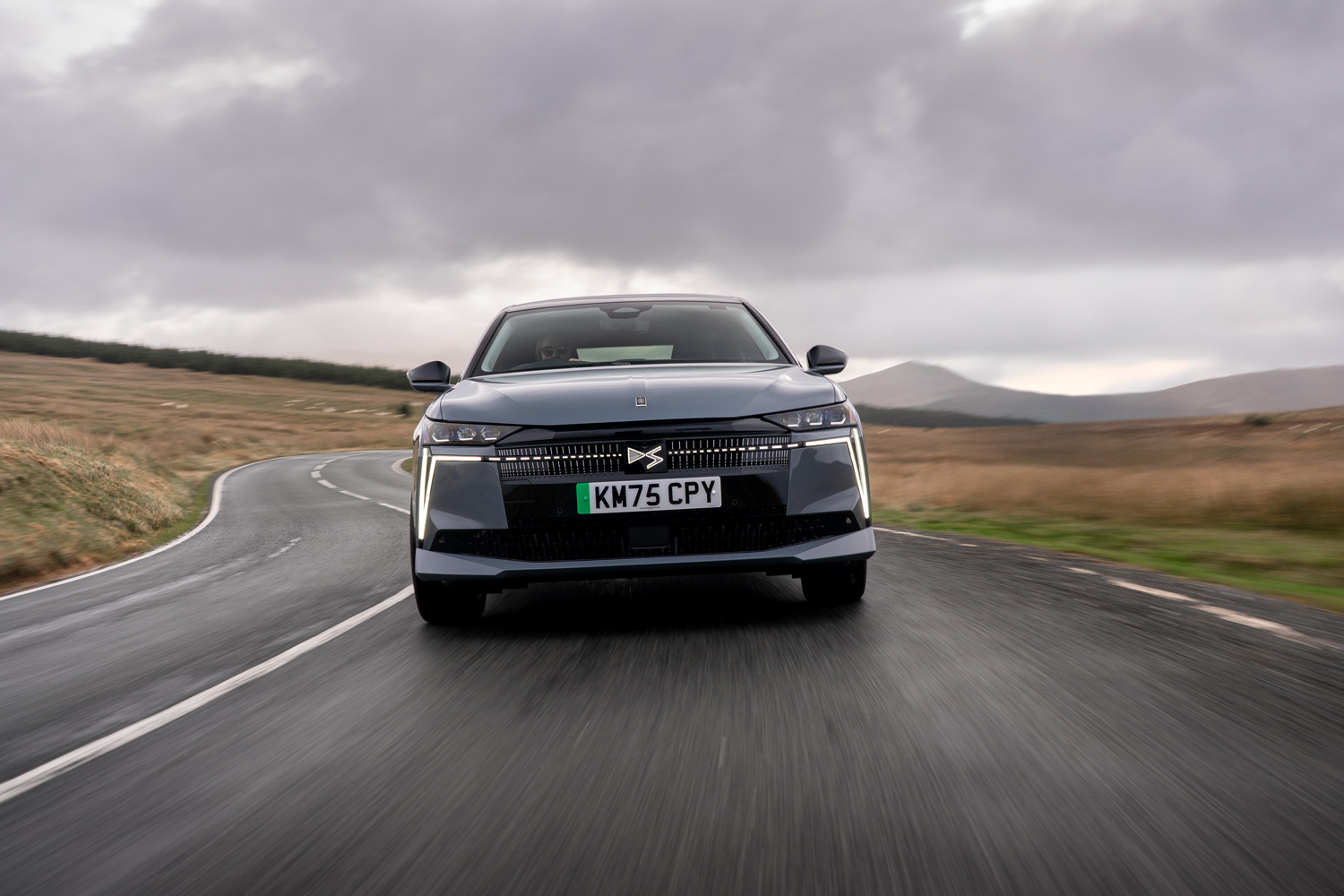
In its electric guise, the DS No 4 comes as a single motor, front-wheel drive with a 61kWh battery, which is supposedly good for up to 279 miles, but real-world use was less for sure. I found it delivered about 240 tops, but I didn’t think this was bad all things considered. However, this car comes with a little more get up and go than the Peugeot e-308 and Astra Electric I mentioned earlier thanks to the slightly bigger battery, so it’s a sound alternative to that pair.
While it doesn’t transform the DS No 4 into anything amazing, I thought the hatchback felt peppier than both those other cars. There were also paddles present, so it was easy to adjust levels of regen on the go. I kept my test car with them set at the maximum level, which helped supply a reasonable amount of one-pedal drive appeal. I felt this worked especially well around town during everyday stop and start journeys.
Overall performance was reasonably impressive given that, at 1,793kg, the DS No 4 is quite a chunky thing and the weight was apparent if I tried doing anything particularly adventurous in it. Nevertheless, because this is a DS, the car is made for taking your time and enjoying those comfort levels, which meant the DS No 4 was very enjoyable on those ambling around town forays. On motorway runs it was just as amenable, although this is where the range shortcoming became more apparent. However, it can be charged at up to 120kW, which is fine for the size of the battery.
The technology
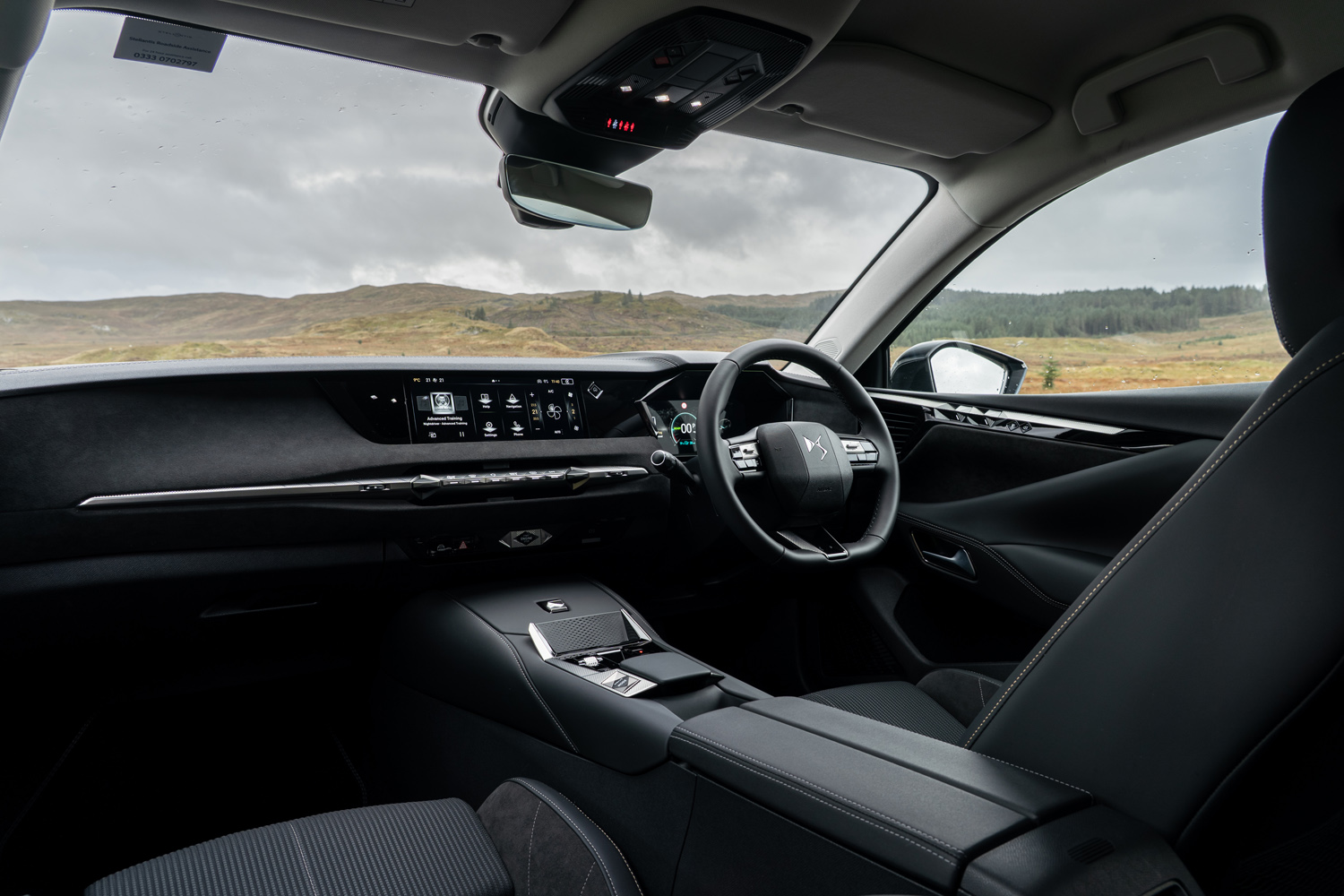
While the DS brand can be relied upon to deliver in the design department, the tech levels in the DS No 4 were satisfactory rather than dazzling. There’s a 10in digital instrument cluster that looks good on the eye, but the 10in dashboard infotainment screen felt a little less interesting than some rivals I’ve tried recently. There was wireless Apple CarPlay and Android Auto though, so that would keep most folks happy as would the wireless smartphone charger and USB-C ports.
Also present was the DS Iris system, which seemed like a fancy way of bigging up the more advanced features, including voice controls that could be triggered by saying ‘Okay Iris’. It was okay but not the most alluring of in-car attractions. The same went for the TomTom-powered satellite navigation, which felt a little behind the times in much the same way as it did in the Peugeot E-408 I drove recently.
ChatGPT was integrated via the DS Iris system, but again, that’s not really as much of a big deal as some might think these days. Generally, though, everything was more than acceptable.
DS No 4 verdict

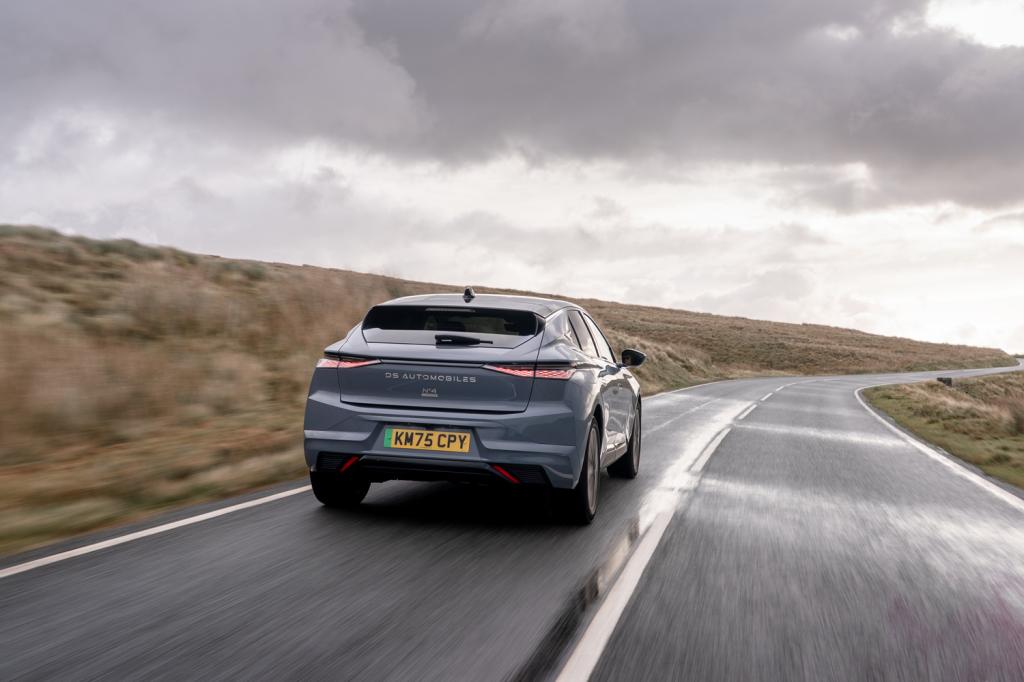
I thought the DS No 4 was a perfectly acceptable, family-focused hatchback that performed as expected. It drives quite nicely, although it’s no hot hatch, but the powertrain seems well suited to its likely customers. Comfort levels and trim touches are impressive too, while space and practicality are up there with other models in this class.
While I think I’d probably head for a Cupra Born in terms of better drive appeal and a little more design edge, the DS No 4 is still a step up from other more mundane models that fall into the all-electric family hatchback ballpark.
DS No 4 technical specifications
Scroll to see more →
| Specifications | DS No 4 |
|---|---|
| Powertrain | Permanent magnet electric motor |
| Battery | 61kWh |
| Power | 214bhp |
| Torque | 254lb-ft |
| 0-62 mph | 7.1sec |
| Top speed | 99mph |
| Range | 279 miles |
| Charge rate | 120KW |
| Cargo volume | 390 litres |




Read the full article here


