

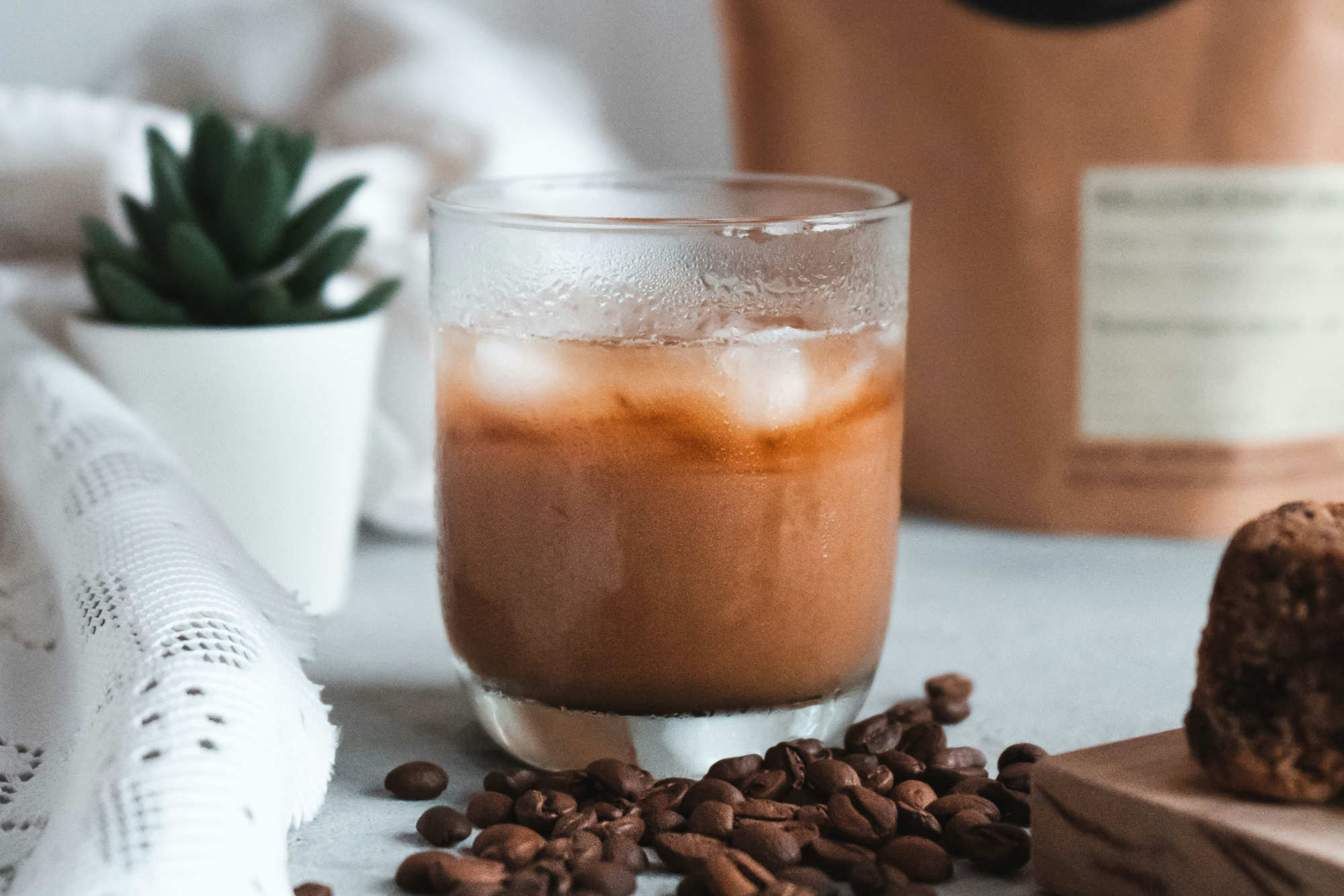
Cold brew coffee has quietly taken over café menus and supermarket fridges alike – and for good reason. Unlike iced coffee, which is simply hot-brewed coffee poured over ice, cold brew is made by steeping coarse grounds in cold water for an extended period, producing a smooth, naturally sweet, and remarkably low-acid concentrate.
The best part? You don’t need any fancy equipment or super expensive coffee machines to make it. Here’s everything you need to know to brew a perfect batch at home…
What is cold brew coffee?
Cold brew isn’t just cold coffee. It’s coffee that’s made using cold, rather than hot, water. Coffee grinds are larger and brewing times are much, much slower. Most people make cold brew coffee overnight, leaving a pot to slowly steep.
Aside from being slow in a fast world, the downside is that it doesn’t have the delicious aroma of hot coffee brewing. It also costs more than hot coffee, because you use more ground beans to make it.
How do you drink cold brew coffee?
The results when you cold brew coffee are quite concentrated: like espresso but sweeter and tastier. So, you can serve it cold, over ice or dilute it with cold or hot water. It’s even good in espresso martinis or for making affogato or tiramisu.

You can keep a bottle of cold brew in the fridge for a week and use it like a concentrate for a quick cup of coffee, hot or cold.
Cold brew coffee is not the same as iced coffee. When you buy an iced or blended coffee drink at a café, it’s often made with hot espresso shots over ice. If you want cold brew, ask for cold brew.
Is cold brew coffee healthier?
Cold brew coffee is less acidic, so kinder on your tummy. But watch out for overdoing the caffeine because it’s about twice as caffeinated as regular coffee.
It also contains more antioxidants than regular coffee. But the main health benefit is indirect: it lacks bitterness and tastes sweeter and smoother… so you’re less likely to want to add sugar.
How to make cold brew coffee at home
If you own a cafetiere you can make cold brew:
- Add coarse-ground coffee, about twice as much as usual
- Fill the cafetiere with room temperature water (ideally filtered) and stir well
- Do not use the plunger! By all means put a lid on it though
- Leave it in the fridge for 24 hours to steep, or room temperature for 12 hours
- Then use the plunger
- Ta-da! You have made cold brew coffee. It’s strong stuff, so you probably want to dilute it, hot or cold.
If you don’t own a cafetiere, you can brew the coffee in any container and then filter it. A cheesecloth would do the trick. Or coffee aficionados love V60 filters – basically paper filters for pour-over coffee. (The V is the shape and the 60 is the 60° angle.)

How about faster cold brew?
Overnight not your style? Some gadgets use medium or finely ground coffee and pressure to speed up the cold brew process. For a simple, manual machine look at the OXO Rapid Brewer which has a brewing time of 5 minutes. It can make one or two drinks at a time.
The AeroPress is a similar design, but makes coffee directly into the cup. Again, it shaves the steeping time down to mere minutes as long as you stir it a lot.
Both of these gadgets are manual, they don’t use electricity, so you can use them anywhere to make hot or cold coffee. They’ll even serve you camping or in a hotel room.
How about a coffee machine?
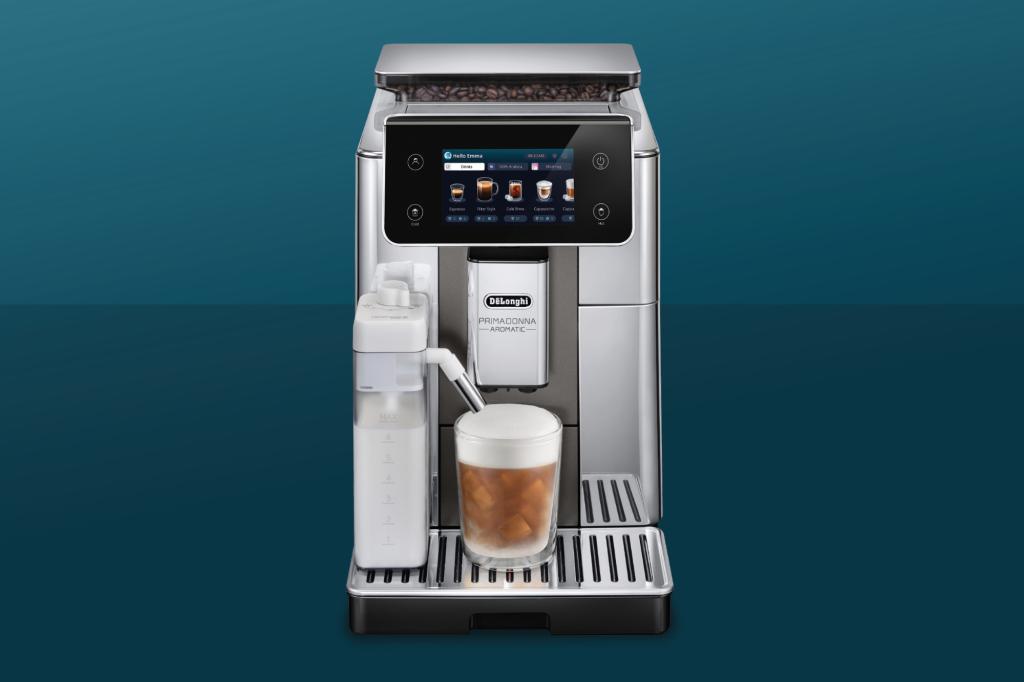
When I tested bean-to-cup coffee makers, my favourite was the De’Longhi PrimaDonna Aromatic (£1,350), which offers a five-minute cold brew as well as an impressive range of hot and cold specialty drinks. It can even make cold frothy milky coffees.
It’s also worth looking at the Jura J10 in the same test. Its optional nitro cold brew kit bubbles air through your coffee for a foamier head.
Tips to take your cold brew to the next level
The 12-24 hours, traditional method is best. But you can raise your game with better beans. Get good-quality beans and then grind them yourself, so they’re the perfect grind and they’re fresh.
Look for a conical burr grinder. These will grind consistently to your chosen size (coarse for traditional cold brew) rather than just blitzing the beans. There are electric and manual options: the important thing is to get conical burr.
Lots of brands promise tastier, healthier beans. For example, Exhale (free trial) says a cup of its coffee contains as much antioxidants as 1.8kg of blueberries. Whatever you choose, get freshly roasted beans and store them in an airtight container in a dark place.
Grind what you need, when you need it. The rest of your beans don’t need to be stored in the fridge (but don’t expose them to extremes of heat either). An airtight container would be good. For example, the Airscape.
Liked this? How to make the best coffee at home, whichever machine you have


Read the full article here
