

One of the world’s biggest tech shows, IFA 2026 has brought seemingly every kind of gadget imaginable to Berlin for a few very busy days – and this year’s show hasn’t disappointed.
We’ve been scouring the show floor and digging through the biggest launches, getting our hands on as much new tech as possible, and separating the properly interesting stuff from the things you’ll have forgotten about by next week. There are new TVs, laptops, smart home gadgets, robot vacuums, speakers, and plenty of things that are rather harder to categorise.
So with all that said, these are the gadgets that stood out enough to earn a place in Stuff’s IFA Awards 2026:
Best gadgets of IFA 2026
Sonos Beam Ultra
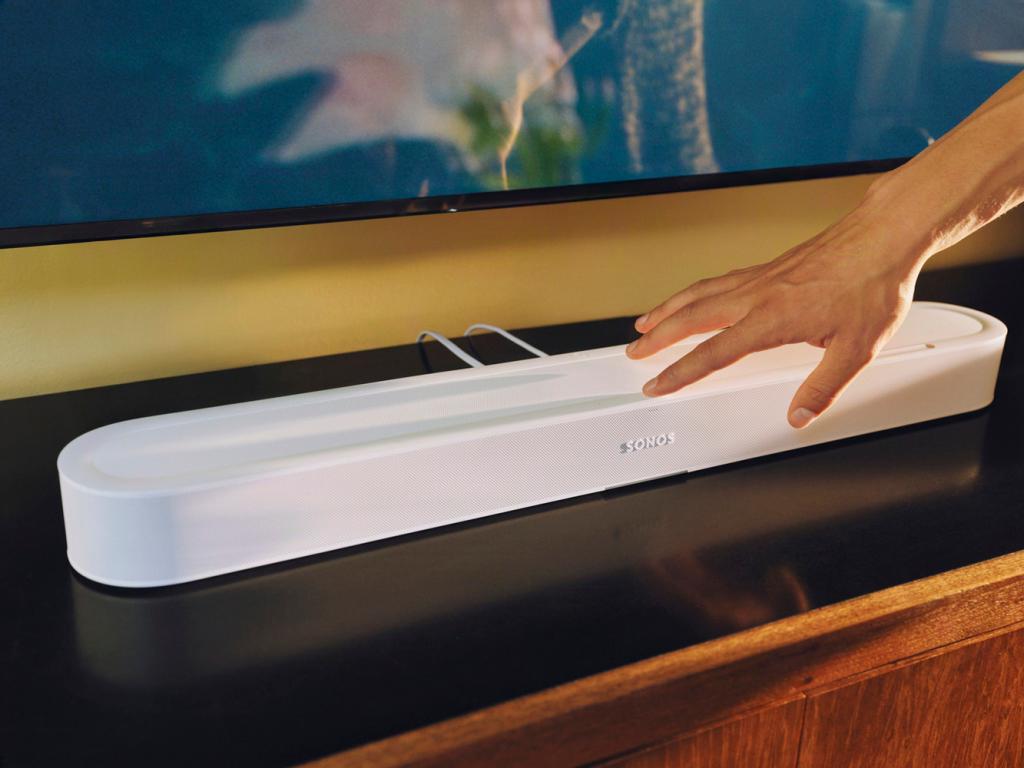
Sonos has finally filled the rather large gap between its compact Beam and flagship Arc Ultra. The new Beam Ultra squeezes a proper 7.1.2 Dolby Atmos setup into a mid-sized soundbar, making it a much better fit for smaller TVs and rooms where the 118cm-wide Arc Ultra would look rather ridiculous.
At $699/£699, it’s hardly an impulse purchase, but it’s still considerably cheaper than the $1000 Arc Ultra. Sonos has also announced its new Sonos 27 software alongside it, while compatible portable speakers can now be used as wireless rear surrounds. Throw in the new Ace Ultra headphones, and this is a pretty substantial refresh for the Sonos ecosystem.
Winmau Autodarts X
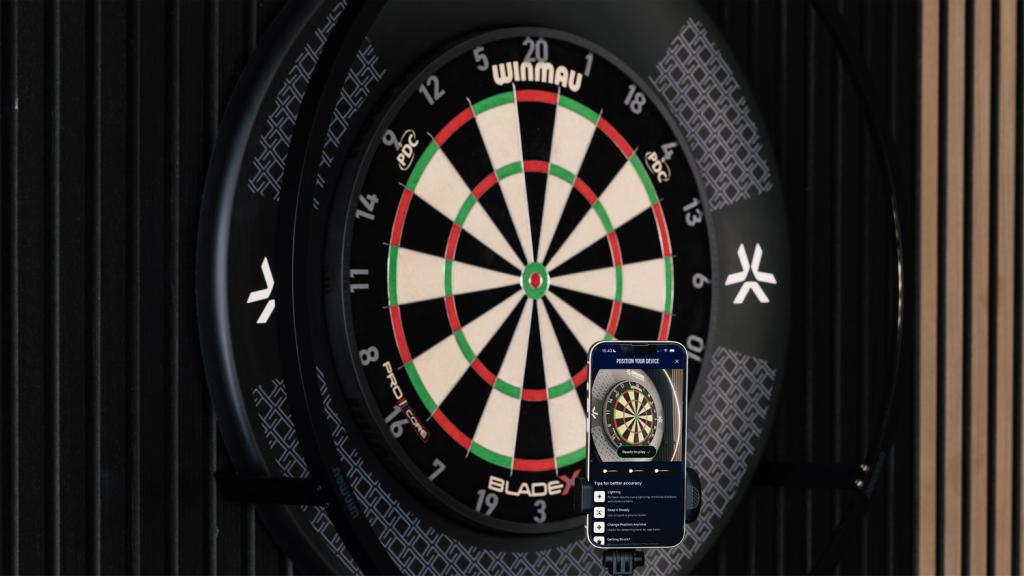
Keeping score is part of playing darts, but Winmau’s Autodarts X is happy to do the maths for you. The new system fits around a standard bristle dartboard and uses four HD cameras to automatically detect where each dart lands, with integrated 360-degree lighting helping both the cameras and your own eyes get a clear view.
More importantly, for anyone who doesn’t fancy drilling yet more holes into the wall, the whole thing has been designed for tool-free installation, and can be removed in four simple clicks for storage. Dual-band Wi-Fi and USB-C are built in, too, while the Winmau Autodarts app lets you play alone, against bots, with friends, or online through matchmaking and tournaments. It isn’t on sale yet, with Winmau currently taking registrations of interest.
Acer Project DualPlay Mini
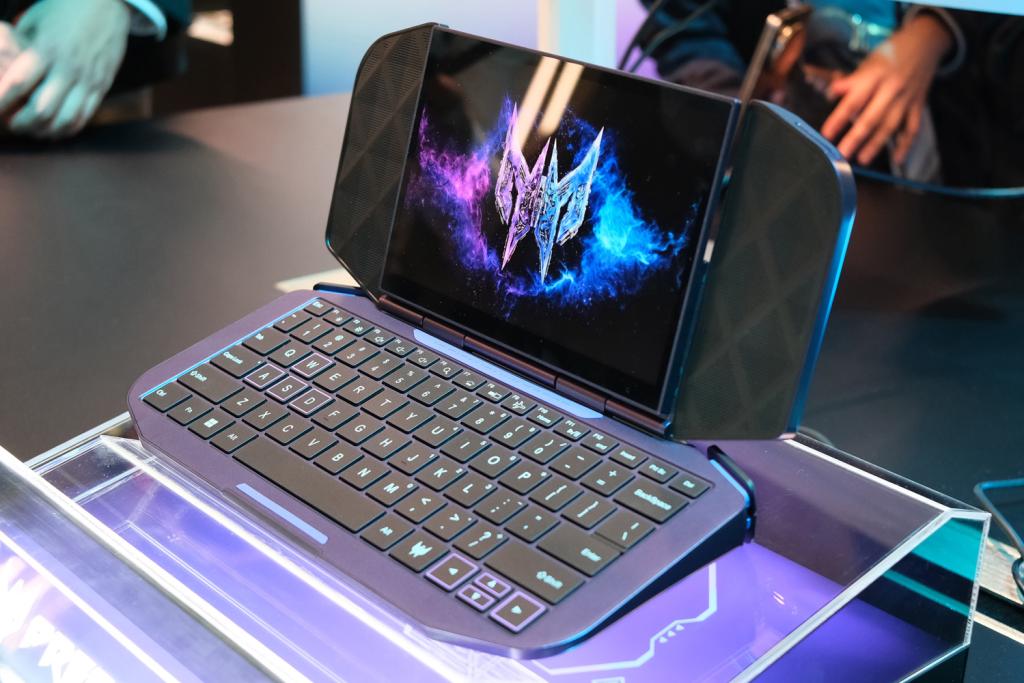
Gaming handheld or tiny laptop? Acer’s Project DualPlay Mini concept is both. At first glance it looks like a conventional Windows handheld, complete with touchscreen, joysticks, D-pad, face buttons, and controller-style grips. Then you open it up.
Hidden underneath is a full QWERTY keyboard, while the display rotates 180 degrees to turn the whole thing into a miniature laptop. There are even speakers built into the sections that double as controller grips, plus two Thunderbolt 4 USB-C ports for hooking it up to a bigger display.
Stuff’s Tom Morgan-Freelander has already tried the concept at IFA and came away convinced Acer should actually put it into production. We’re inclined to agree. There’s no price or release date, though – for now, this is strictly a concept.
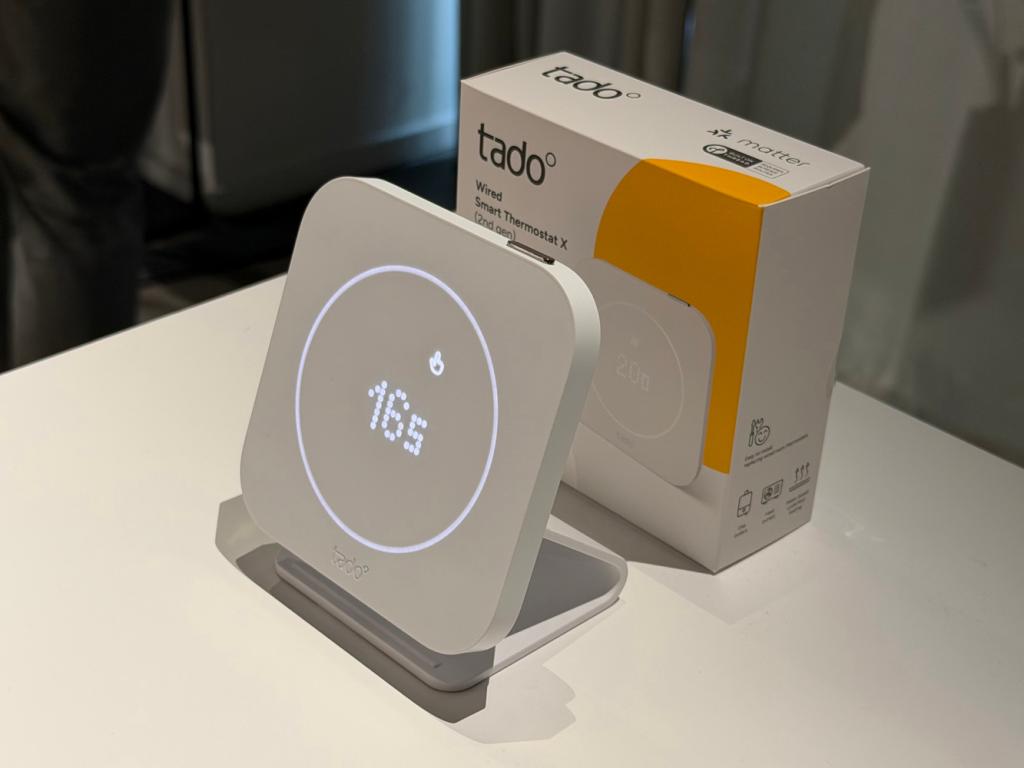
Tado Smart Thermostat X (2nd gen)
The original Tado X is already Stuff’s favourite smart thermostat, and its replacement improves on it without needlessly reinventing everything. At just 17.8mm thick, Tado says that the second-generation model is the thinnest smart thermostat in the European and US markets, while a new interactive light ring and LCD display make it easier to control without reaching for your phone.
There’s also a customisable Quick Action button for things like boosting the heating or resuming a schedule, along with simplified wiring and automatic detection to make installation easier.
Its rechargeable battery is apparently good for more than a year after a three-hour USB-C charge, and Matter, Apple Home, Google Home, Alexa, and SmartThings are all supported. Better still, it’s backwards-compatible with the original Tado X.
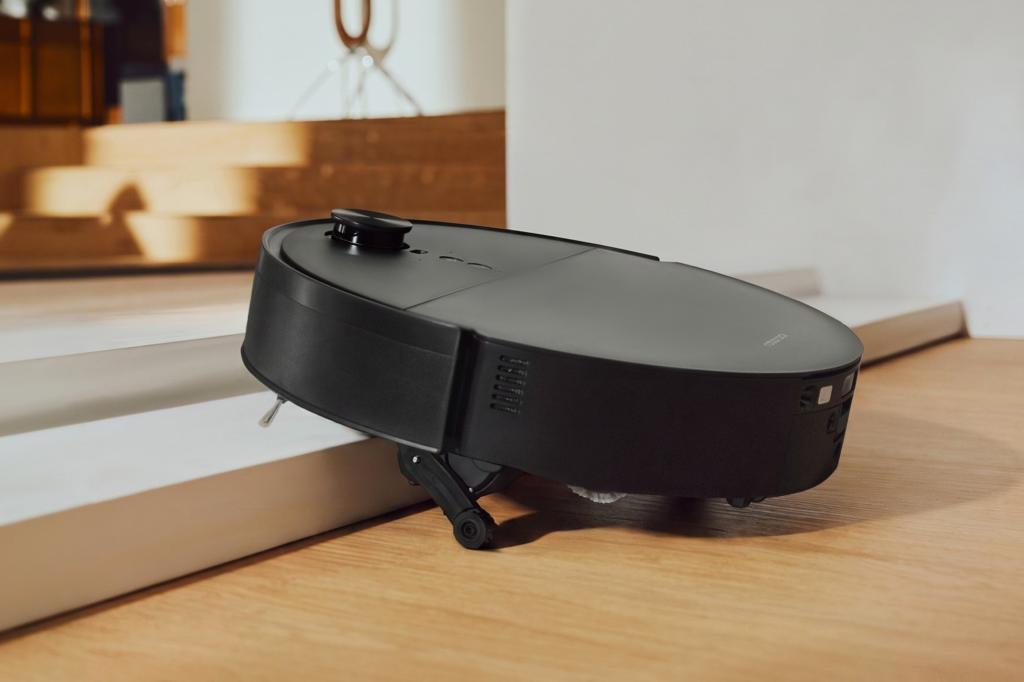
Roborock Saros 20 Flow
Robot vacuums with spinning mop pads are everywhere. Roborock’s new Saros 20 Flow takes a different approach, using its SpiraFlow 2.0 pressurised roller system to continuously clean the mop as it works rather than dragging the same increasingly grubby pad around your floors.
There’s plenty of vacuuming muscle to go with it, with Roborock claiming 36,000Pa of suction. Its AdaptiLift Traverse 3.0 system is designed to help it negotiate awkward thresholds and changes in floor height, while the accompanying dock takes care of much of the dirty work once cleaning is finished.
The Saros 20 Flow is one of several new robot vacuums Roborock is unveiling at IFA this year, and is being shown in slightly different configurations depending on the market.
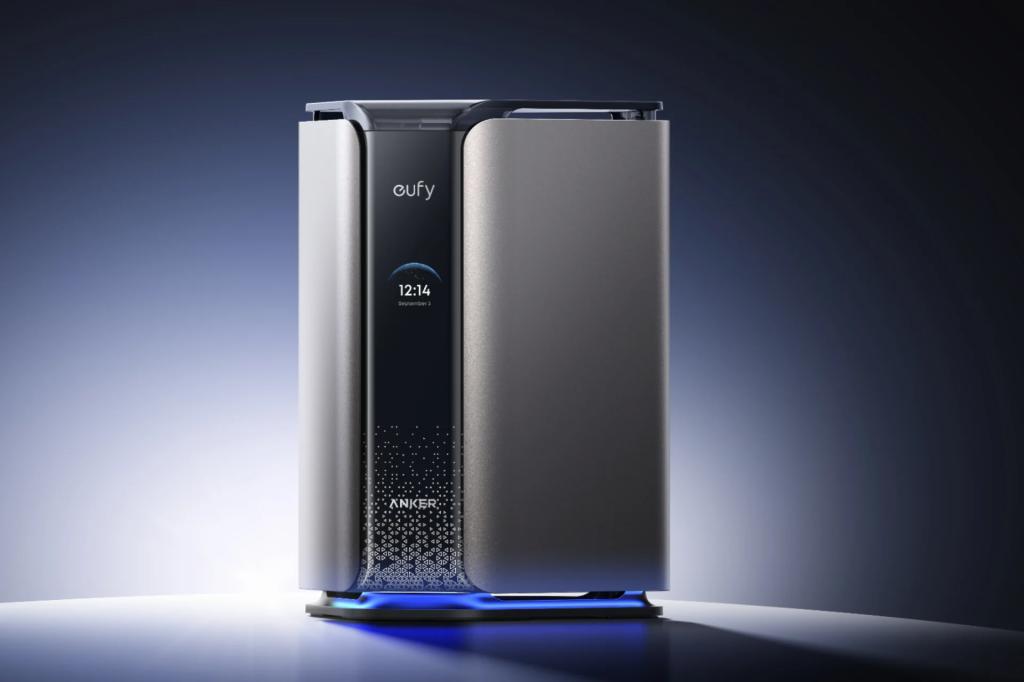
Anker MindBase
Anker wants to give your smart home a brain of its own. MindBase is a local AI hub designed to connect the company’s security, energy, cleaning, and audio products, along with compatible third-party Matter devices, while keeping its processing and data inside your home rather than relying entirely on the cloud.
Its built-in AI hardware delivers 26 TOPS of computing power, while local storage can be expanded to a whopping 48TB. Anker says that close to 100 of its own devices will be supported alongside hundreds of Matter products, with Apple HomeKit, Alexa, Google Assistant, and Home Assistant integration.
Security is the first major use case, with an AI agent able to analyse events locally and coordinate cameras, lights, warnings, and other devices. Pricing and launch details are still to come.
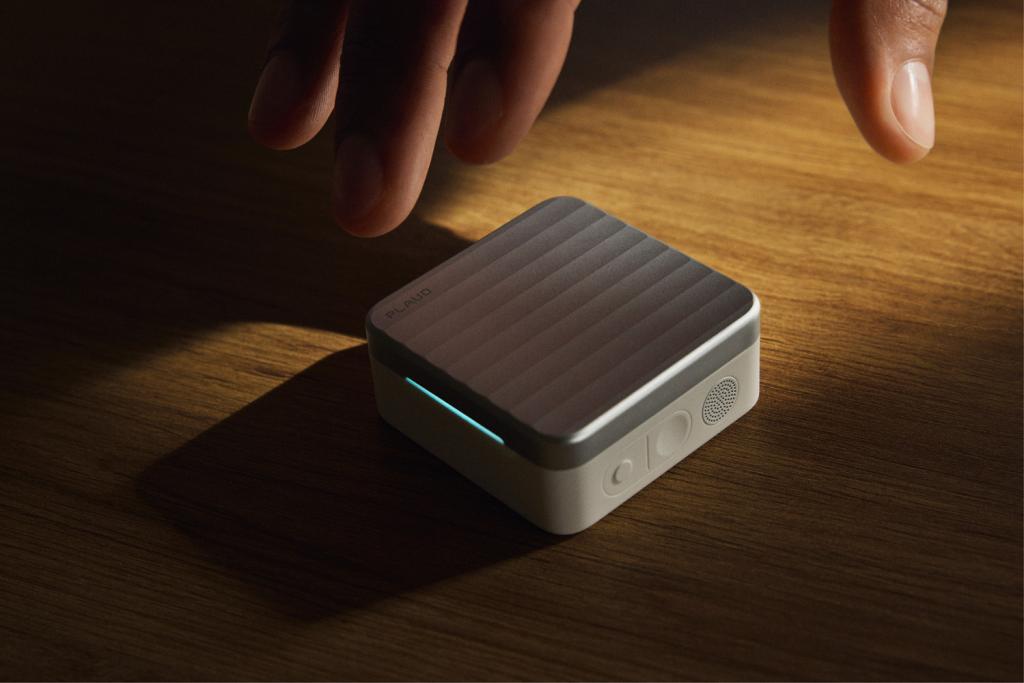
Plaud One
Plaud One is what happens when wireless earbuds and an AI voice recorder get mashed together. You can wear the buds to capture calls, online meetings, and face-to-face conversations, or put the charging case on a table and use its four microphones as a standalone recorder with a claimed five-metre pickup range.
The really unusual bit is that the case has its own 4G connection, so it doesn’t need to stay tethered to a phone or Wi-Fi. Plaud’s software can then transcribe and summarise conversations, while its developing agent features are intended to turn what it hears into actions such as drafting follow-up emails.
Some of those more ambitious abilities are still coming via future software updates, though. The limited Explorer Edition costs $249.99/£229, with shipping expected to begin in Q4 2026.
Dyson CameraJet
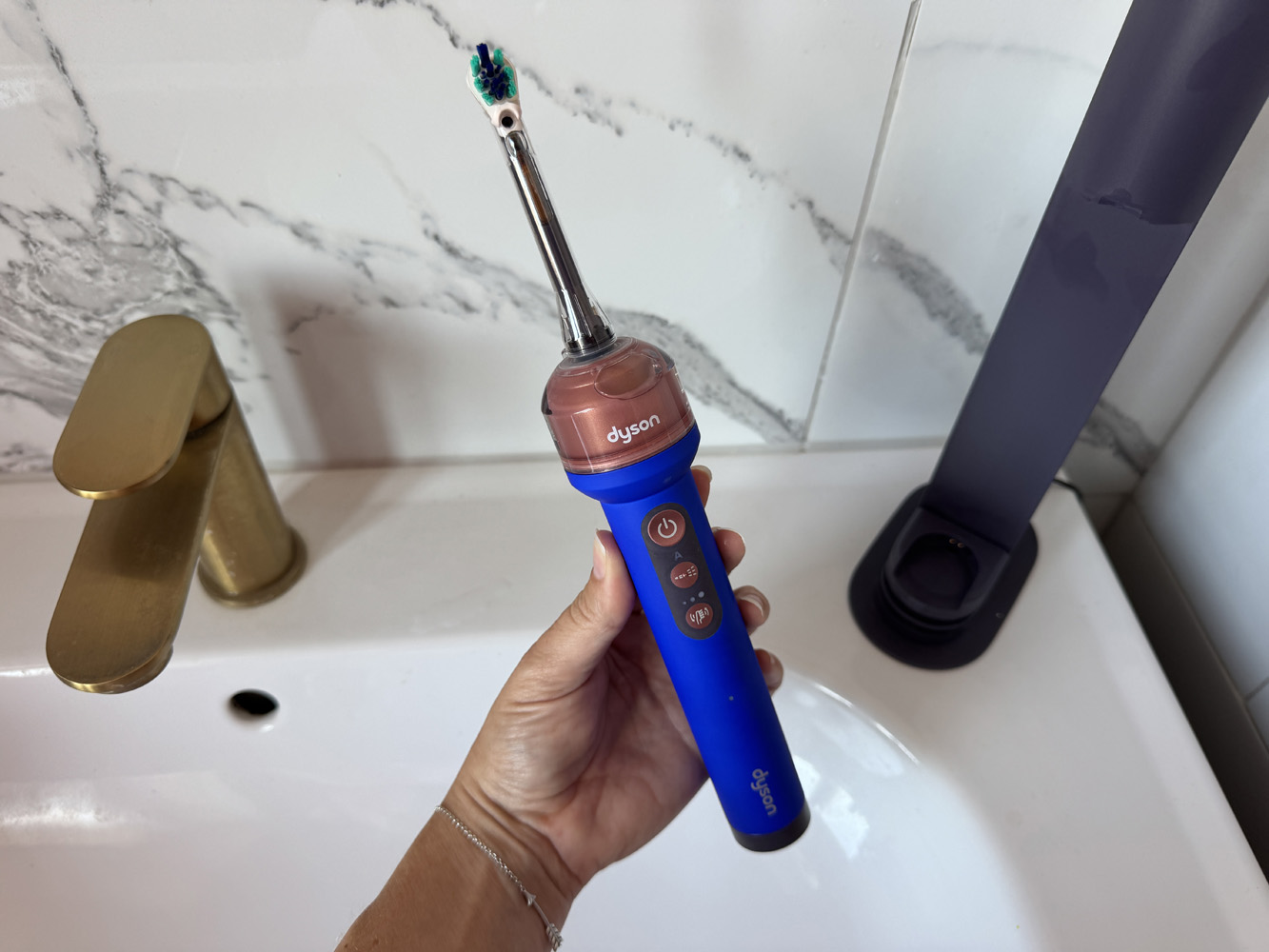
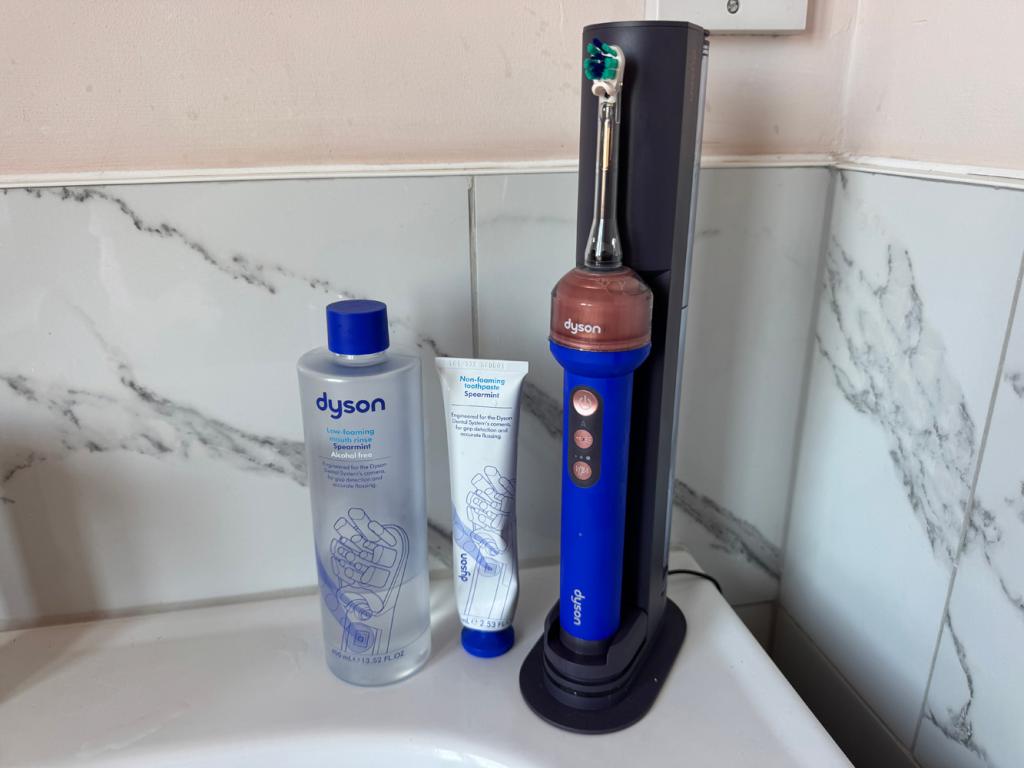
Of all the things we expected to see during IFA week, a $499/£420 toothbrush with its own camera probably wasn’t high on the list. Dyson’s CameraJet uses a tiny 100,000-pixel macro camera and machine learning to identify the gaps between your teeth as you brush, then fires a targeted jet of mouthwash between them.
The camera analyses 28 images every second, and you can stream its view to the MyDyson app if you’ve ever wondered what the inside of your mouth looks like from a toothbrush’s perspective. Dyson says that the images aren’t stored on the toothbrush or in the cloud.
The CameraJet was technically unveiled just before IFA rather than at the show itself, but it’s being shown in Berlin – and it’s certainly one of the more memorable gadgets of the week.

TCL P80 Ultra
TCL’s NXTPAPER screens are designed to cut glare and make staring at a display easier on your eyes. The P80 Ultra is its first phone to combine that technology with AMOLED, potentially giving you NXTPAPER’s anti-glare benefits without sacrificing the rich colours and deep blacks OLED is known for.
There’s still a dedicated NXTPAPER Key for switching into an e-reader-like Max Ink Mode, while the 120Hz screen can reach an impressive 3200 nits. You’re not making huge compromises elsewhere, either, with a 3x periscope camera and big 5800mAh battery among the highlights.
It’s available in Europe now, with a US launch coming later. If TCL has finally managed to marry NXTPAPER’s wonderfully glare-resistant finish with a great OLED display, this could be the best version of the technology yet.
Alienware AW2527HX
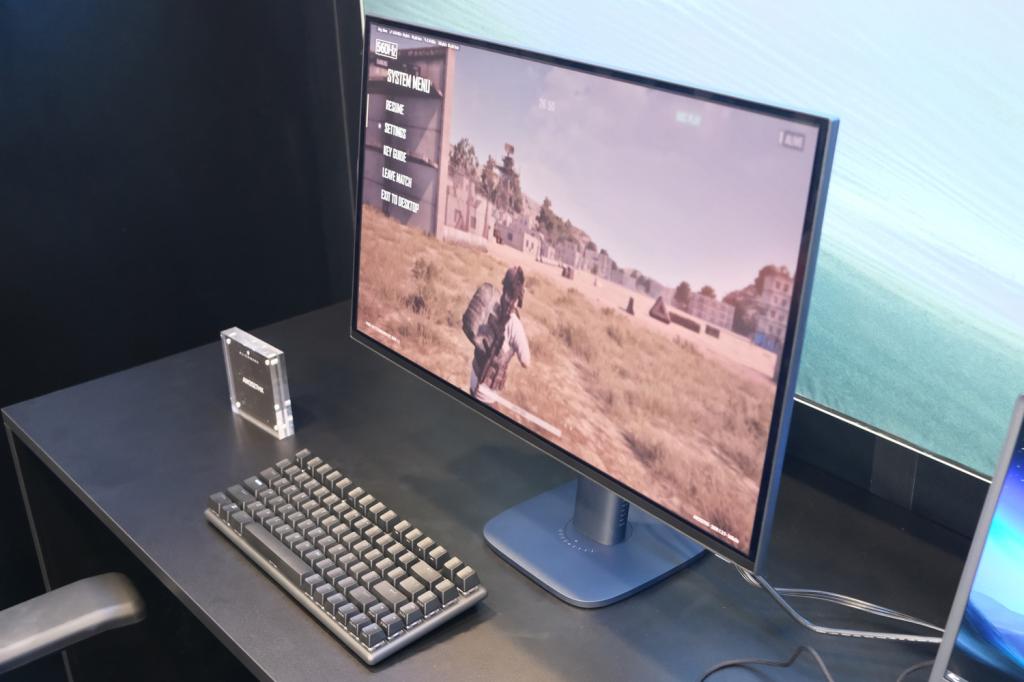
A 25in Full HD gaming monitor might not sound terribly exciting in 2026. Then you notice the refresh rate. Alienware’s new AW2527HX uses its latest Penta Tandem QD-OLED panel technology to hit a frankly ridiculous 560Hz, making it very much a screen for competitive gamers who count every millisecond.
Alienware worked with Team Liquid on the design, adding touches such as a TN display mode for players accustomed to older esports screens, a stretched 4:3 option, and markings that make it easy to return the unusually adjustable stand to your preferred position.
Stuff’s Tom Morgan-Freelander has already tried it at IFA and found the OLED panel gloriously responsive, with no visible ghosting. The AW2527HX is due in early 2027, although Alienware hasn’t revealed the price yet.
Lenovo Project Swan
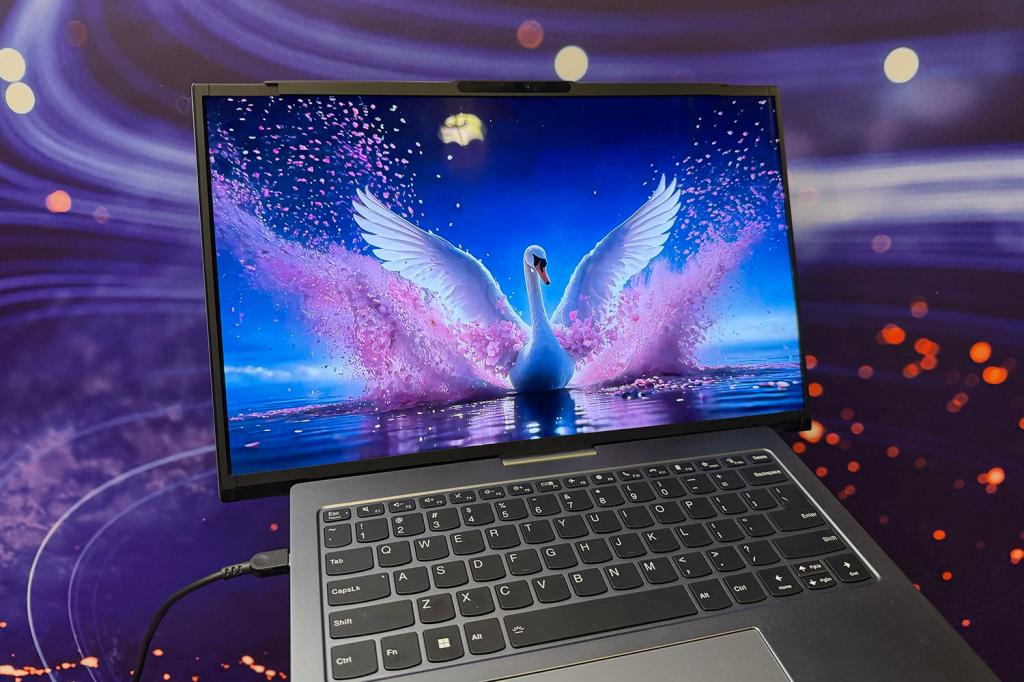
Lenovo has been experimenting with rollable laptop screens for years, but Project Swan might be its wildest take yet. The ThinkBook proof of concept uses a flexible OLED screen that physically expands outwards from both sides, transforming an otherwise normal-looking laptop into a seriously wide-screen machine when you need the extra space.
We saw Lenovo’s gaming-focused Legion Pro Rollable pull a similar trick at CES earlier this year, while its original vertically expanding concept eventually became the ThinkBook Plus Gen 6 Rollable you can actually buy. That makes Project Swan feel a little more plausible than your average concept.
There’s no price or release date – and no guarantee it’ll ever make it into shops – but watching a laptop screen literally grow sideways is exactly the sort of gloriously over-engineered tech we want to see at IFA.
Liked this? Dyson’s robot vacs just got a lot more accessible with the Nurovi series – here’s what you need to know


Read the full article here
