






If you bought a pair of protective glasses this summer and enjoyed catching a glimpse of the best solar eclipse since 1999, there are more opportunities to enjoy some spectacular astronomical sights this winter… no kit required (although a decent telescope wouldn’t go amiss).
Astronomical winter begins on the winter solstice – the shortest day of the year – which falls on 21 December 2026, but most of us mark the beginning of winter using the meteorological calendar, on 1 December, running until the end of February.
Of course, these months can be pretty wet and cloudy in most parts of the world, making a clear view towards the heavens more difficult. Then there’s light pollution. To maximise your chances of seeing any stars, meteor showers or planets, it’s best to head somewhere dark. Check out this map to find the nearest dark place near you.
So what spectacular sights can we see if we look up between December and March?

1. Marvel at the multicoloured Geminid meteor shower
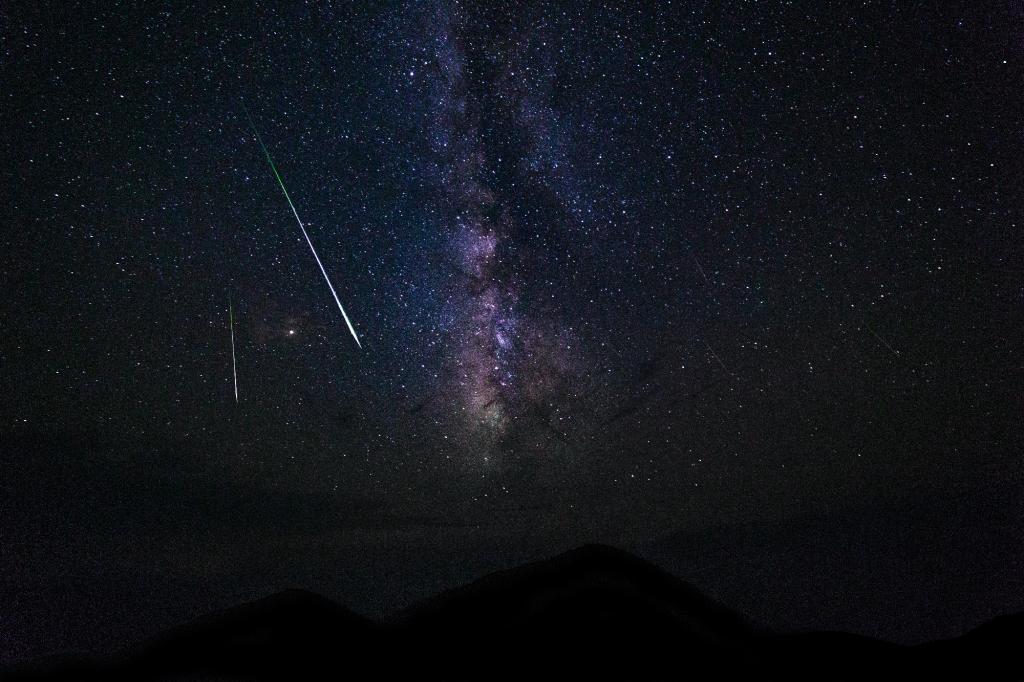
First up is the Geminid meteor shower. Known for being one of the best meteor showers of the year, this annual event makes the long December evenings slightly more bearable and exciting. It’s possible to see up to 120 meteors at its peak on 14 December if you’re in a dark place, making it the ideal event for impatient beginners.
But what will you actually see? The streaks of light, popularly (but inaccurately) known as shooting stars are actually pieces of debris entering Earth’s atmosphere at speeds of up to 70km/second where they vapourise. Some beautiful streaks can be caused by debris as small as a grain of sand!
Most excitingly, Geminid meteors are unusual in being multi-coloured due to the presence of traces of metals like calcium and sodium, which like fireworks, leave trails of white, yellow, green, red and blue depending on the metal. As Geminid meteors are often slower than those from other meteor showers, they appear to last longer, making wrapping up warm to see them a little more enticing.
The Geminids are also unusual in their origin. While most other meteor showers originate from comets, Geminids are thought to be leftover fragments of an asteroid called 3200 Phaethon, which are made of different stuff and don’t have tails when they approach the sun. But scientists aren’t sure if Phaethon is a comet and there’s a chance it could be a rock comet.
Whatever the case, the Geminid meteor shower begins on 4 December and finishes just before Christmas on 20 December. It usually shows good activity before midnight, which is great news for non-night owls. This year, the moon is a waxing crescent at the maximum, setting at around 9.20 PM, so viewing conditions should be good in dark places after that time. Telescopes or binoculars aren’t needed but a warm coat is definitely recommended!

2. Snap the Christmas eve supermoon
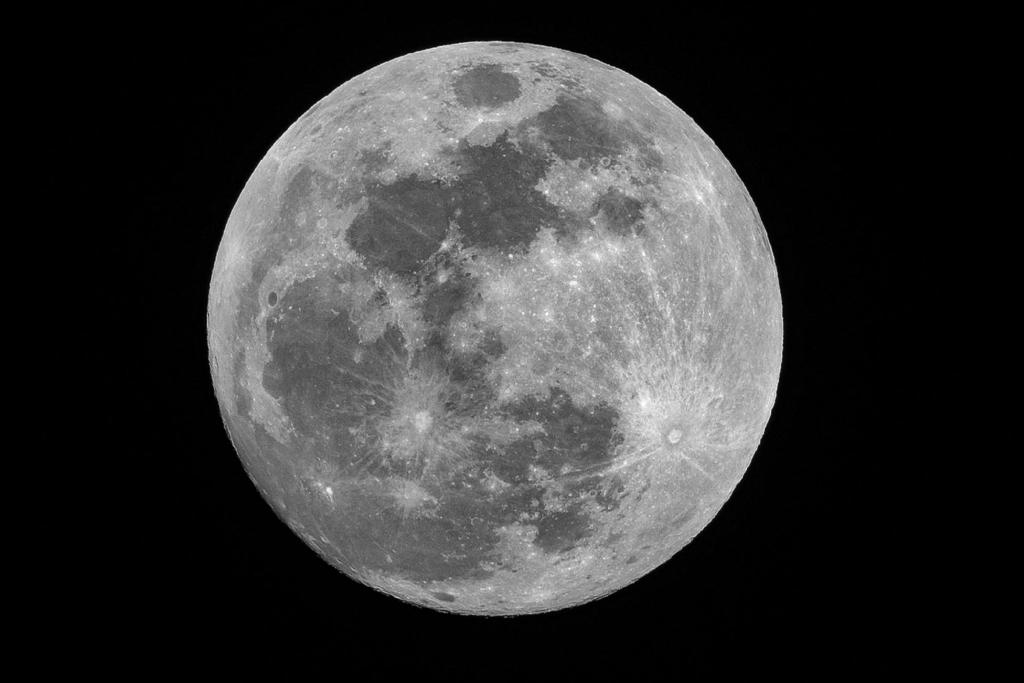
Christmas is coming a little bit early for astronomers, thanks to a special Christmas Eve Supermoon. A nice antidote to Christmas films with endless tubs of chocolate, it should be easy to step outside and appreciate the view, unless there’s a festive blizzard of course.
A supermoon occurs when a full Moon is closest to Earth at the point in its elliptical orbit. According to experts, the Moon’s closest approach to Earth is called perigee (which you may have heard in witches’ spells – think Bedknobs and Broomsticks). When a full moon happens very close to perigee, it’s a ‘supermoon’.
So what can you expect? Basically, a moon that appears bigger and brighter than usual. To be more specific, it’s expected to appear up to 14-percent larger and 30-percent brighter than when it’s furthest from Earth, so it should be noticeable, even to the most reluctant potential astronomer. Snapping a picture with the super-sized satellite would make a memorable Christmas photo.

3. Look out for Santa!
No list of special winter sky happenings would be complete without Father Christmas. There’s every possibility that his sleigh may have a stealth mode to protect his mission in an increasingly connected world, but if you want to try and track his progress with, or without kids on Christmas Eve, NORAD’s Santa Tracker is back in business from 1 December to help you out.
4. Start the new year with fireballs
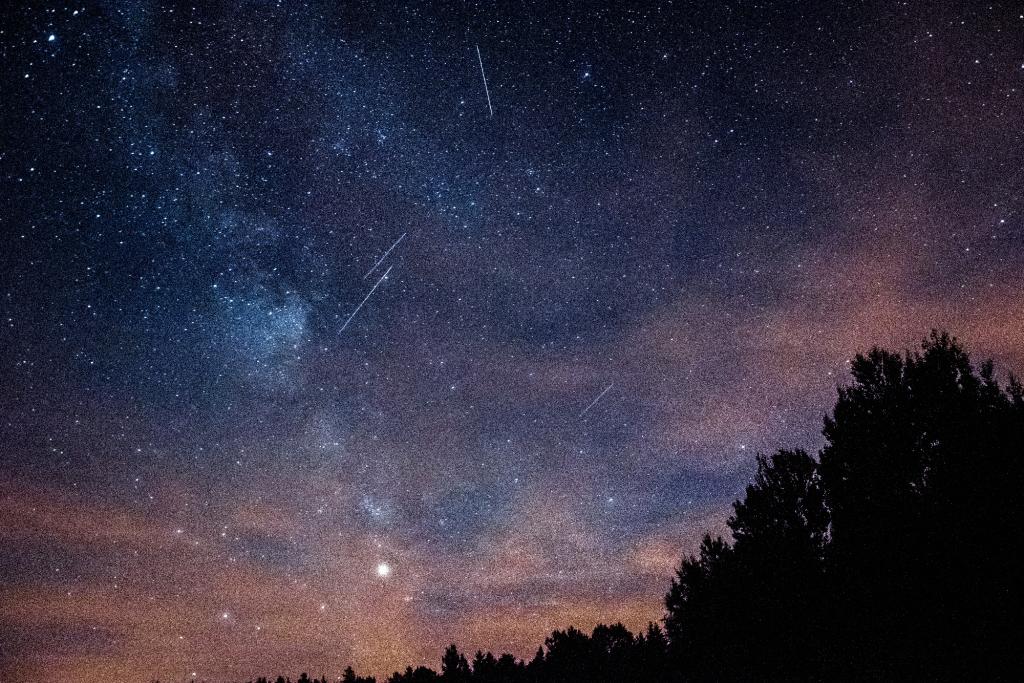
If you end up making a New Year’s resolution to get out more and spend less time scrolling, the Quadrantid meteor shower might be perfect – but you’ll need a little luck.
Unlike most meteor showers, which originate from comets, it’s thought that the Quadrantids come from an asteroid – Asteroid 2003 EH1 to be precise – although it’s possible it could be a ‘dead comet.’
Whatever the case, the Quadrantids peaks during early January each year and is a favourite in the star gazer’s calendar due to bright, fireball meteors. These explosions of light and colour are brighter and can last longer than a usual meteor streak, giving you longer to make a wish, if that’s your thing.
But, unlike most meteor showers which are at their best for two days, the Quadrantids peaks for just a few hours. Nasa says the reason for this is due to the shower’s thin stream of particles and the fact that the Earth crosses the stream at a perpendicular angle.
The best time to watch for the 2027 Quadrantids is the hours before dawn on January 4, with a predicted peak at 05.47 UTC/GMT so it might be best to set your alarm clocks early rather than stay up all night!
If you do decide to get up incredibly early to see the Quadrantids you’ll have to find a spot away from streetlights and light pollution and lie on your back with your feet pointing northwards. Good weather and wrapping up warm is a must! If you’re lucky and we have perfect weather conditions, it’s possible to see as many as 200 Quadrantid meteors.
5. Embrace joyful Jupiter
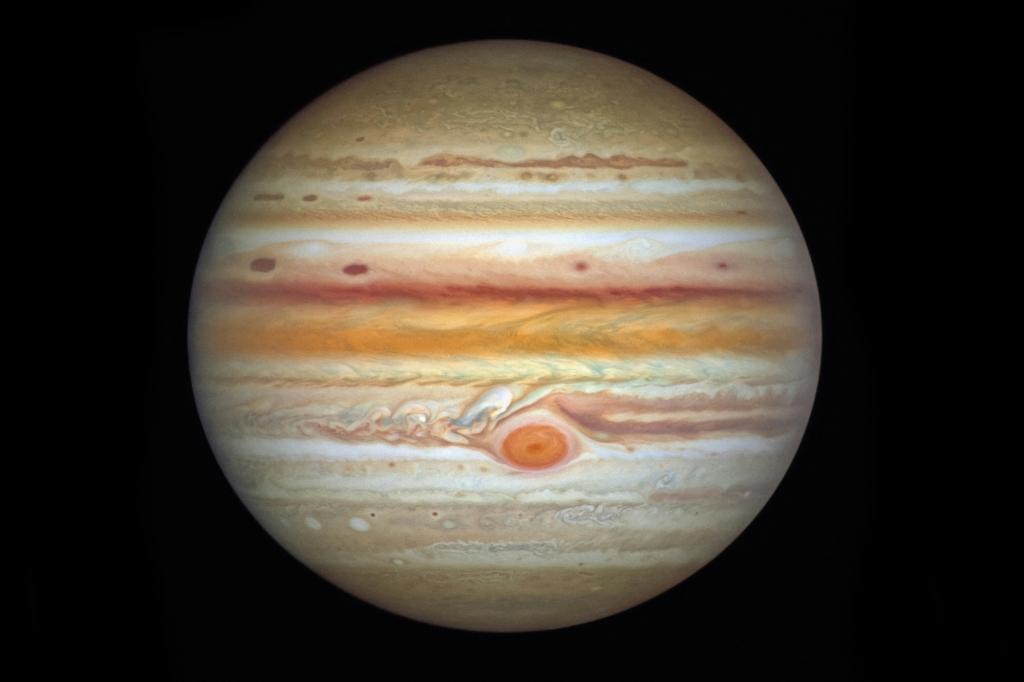
Last but not least, when it feels like winter has dragged on for several years, we’ll get a peek at gas giant Jupiter on 11 February, when Earth flies between the largest planet in our solar system and the sun. This illuminates the vast planet’s face, enabling us Earthlings to appreciate Jupiter at its most bright and beautiful, even in cities. Astronomers call the event Jupiter’s opposition to the sun.
To get geeky, according to Earthsky, the exact time of Jupiter’s opposition is 00:21 UTC/GMT on 11 February, while the planet will be closest to Earth – a mere 405 million miles away (652 million km) at 15:31 UTC/GMT the previous day.
If you grab a pair of binoculars, it’s meant to be possible to see Jupiter as a bright disk any time, along with four of its large moons (called Galilean satellites) as pinpoints of light, if you look really closely. This January and early February is a particularly good time to see the planet – and it’s worth looking because it will take Jupiter another 13-ish months to come into opposition again.
Get gazing
Unfortunately, we can’t control the weather but if we are blessed with clear skies that coincide with meteor shower peaks and optimal planetary positions these astronomical events should prove astronomically impressive. Send us a photo?
Good luck, and happy gazing!
Liked this? The next Moon mission could change space travel forever. Here’s how




Read the full article here


