



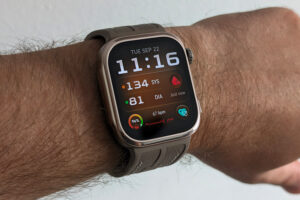



Watchmaking’s history is vast, and trying to pick a definitive list of watches that encapsulates all of the most important aspects of it is a fool’s errand. Which makes me pretty damn silly. Still, across the last century-and-a-bit, there are timepieces that stand out not just for what they were at the time, but the ongoing impact they continue to have on the watch industry today.
From world-first movements to watches at complete polar opposite ends of the price spectrum, here is my woefully incomplete attempt to choose the seven most important wristwatches in history.

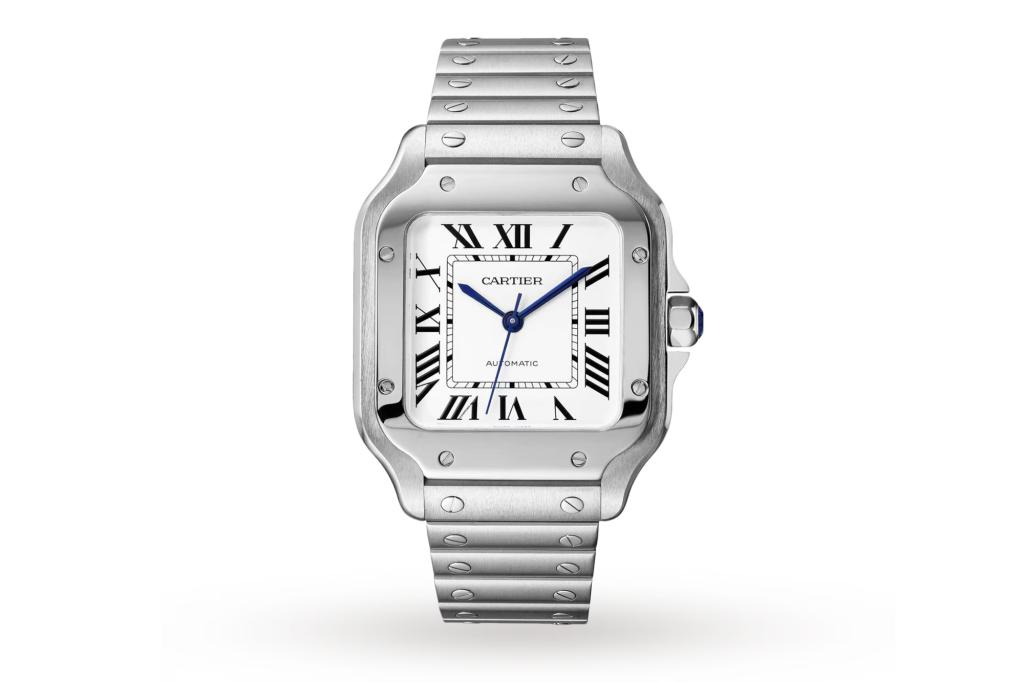
1. Cartier Santos
The first proper men’s wristwatch and pilots’ watch wrapped into one, the Cartier Santos started life as a custom project for Brazilian aviator Alberto Santos-Dumont.
A friend of Monsieur Cartier, Santos-Dumont complained that his usual pocket watch was too awkward to use in the tight cabin of his aircraft and forced him to take his hands off the controls. And so, Cartier made him a wristwatch, breaking from the idea that women wore wristwatches and men pocket watches.
He even broke from shape, opting for a striking square design that still holds up today.
It normalised the idea that men could wear wristwatches and while it wasn’t until the trenches of WWI that wristwatches really took off in a global way, this was at least the idea’s first and most enduring flight.

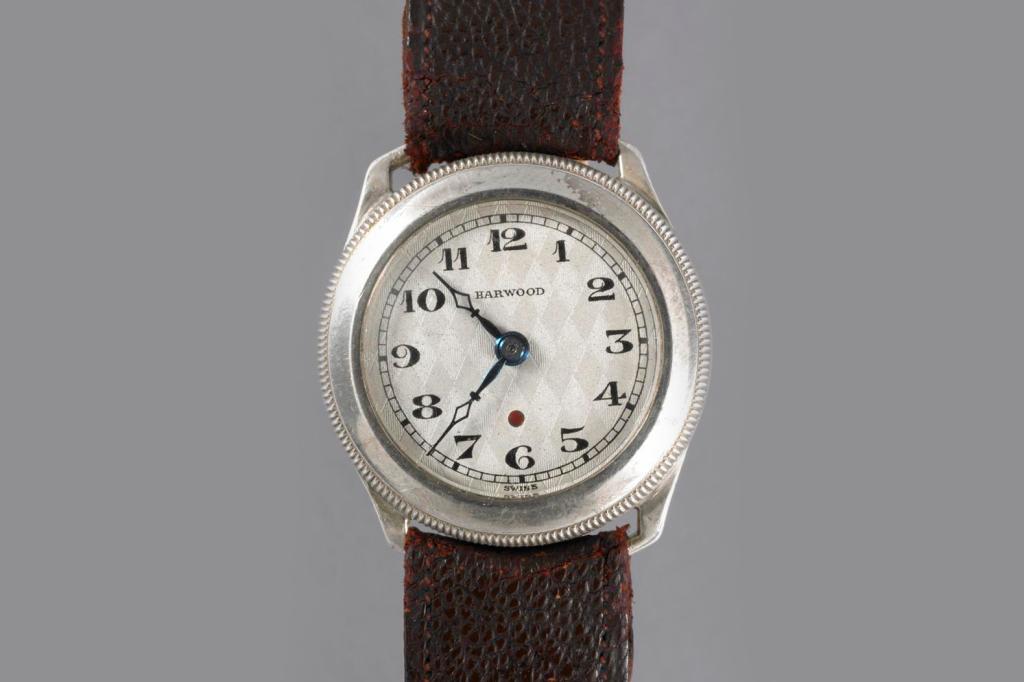
2. Harwood Automatic
Rolex often gets credit for the first self-winding watch and indeed their Perpetual movement was the fist rotor-driven movement. But the first person to actually build an automatic wristwatch was British watchmaker John Harwood, who revealed the groundbreaking Harwood Automatic in 1924, working with Grenchen-based Fortis to scale up production in 1926.
As well as a time-setting rotating bezel and crownless design, the Hardood Automatic used a bumper movement, which rather than the rotors we have today, bumped between two springs as the wearer moved to wind the mainspring.
These movements weren’t great and died out in the 50s, some of the last versions being the Jaeger-LeCoultre Futurematic, Universal Geneve Polerouter and early Omega Constellations. But it was Harwood’s work that proved an automatic wristwatch could be done in the first place.
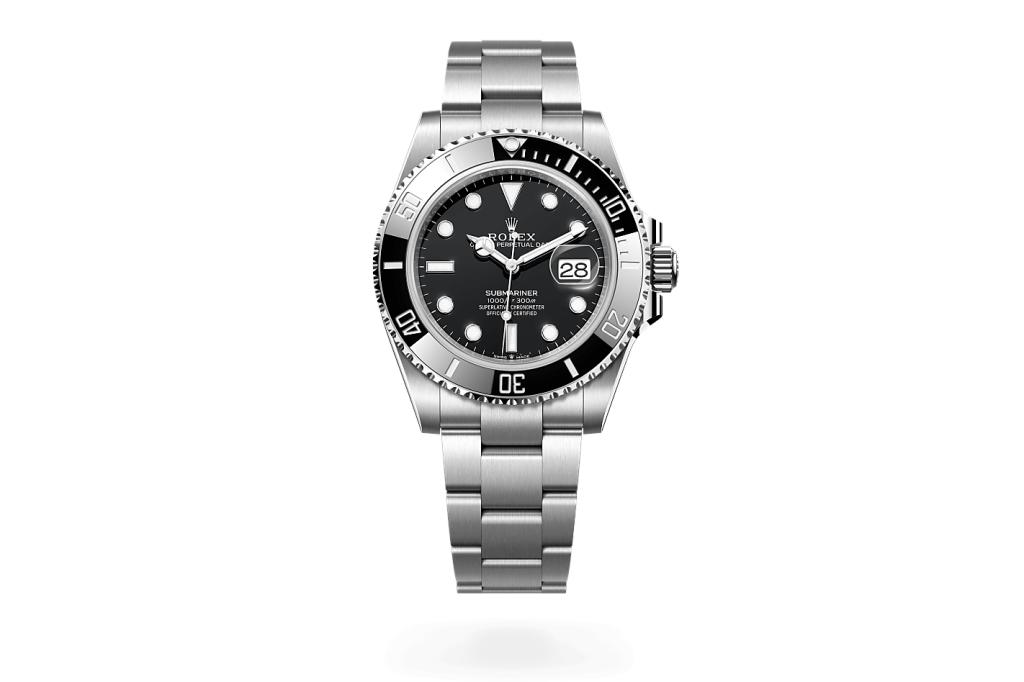
3. Rolex Submariner
Think of a dive watch and you’re likely imagining the Rolex Submariner. Even if the Crown’s not actually on the dial, you’re definitely thinking about a timepiece very closely inspired by it.
Originally released in 1953, the Submariner has become the archetypal underwater tool watch, a formula with a unidirectional rotating bezel, an easily legible dial and solid water resistance.
It was picked up by professional divers aplenty, but for the mainstream the Submariner really hit its stride when worn by Sean Connery’s James Bond in Dr. No (1952), From Russia with Love (1963) and Goldfinger (1964). This tuned the Submariner from a groundbreaking tool watch into the cultural touchstone that it is today.
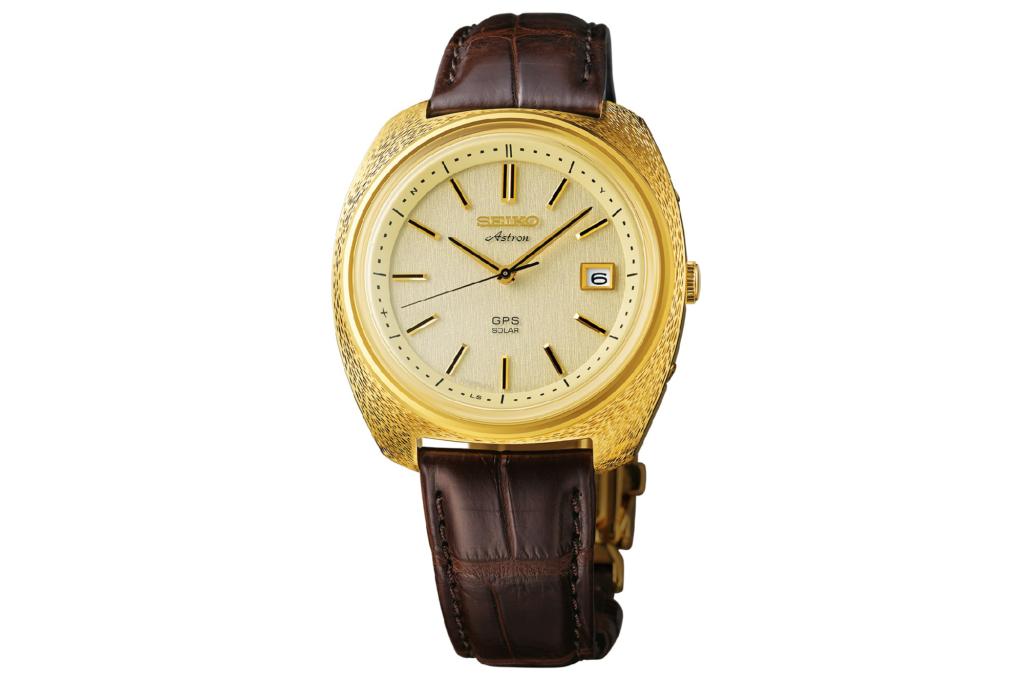
4. Seiko Astron
There were two movements released in 1969 that shook the watch world. The first was the El Primero, the world’s first automatic chronograph and still a watchmaking icon. The second was the first quartz movement.
When Japanese watchmaker Seiko revealed a battery-powered movement that was more accurate and reliable and less expensive than mechanical, it hit the Swiss industry hard – not least of which because it scuppered plans for their own version, the Beta-21.
At first though, the Seiko Astron was not cheap; befitting its then cutting-edge nature, it was case in engraved gold. But the brand quickly pivoted to more accessible models.
The downfall of Swiss watches can’t be put entirely at Seiko’s door – for reasons we’ll get on to – but the impact here was meteoric and Swiss watchmakers were the dinosaurs.
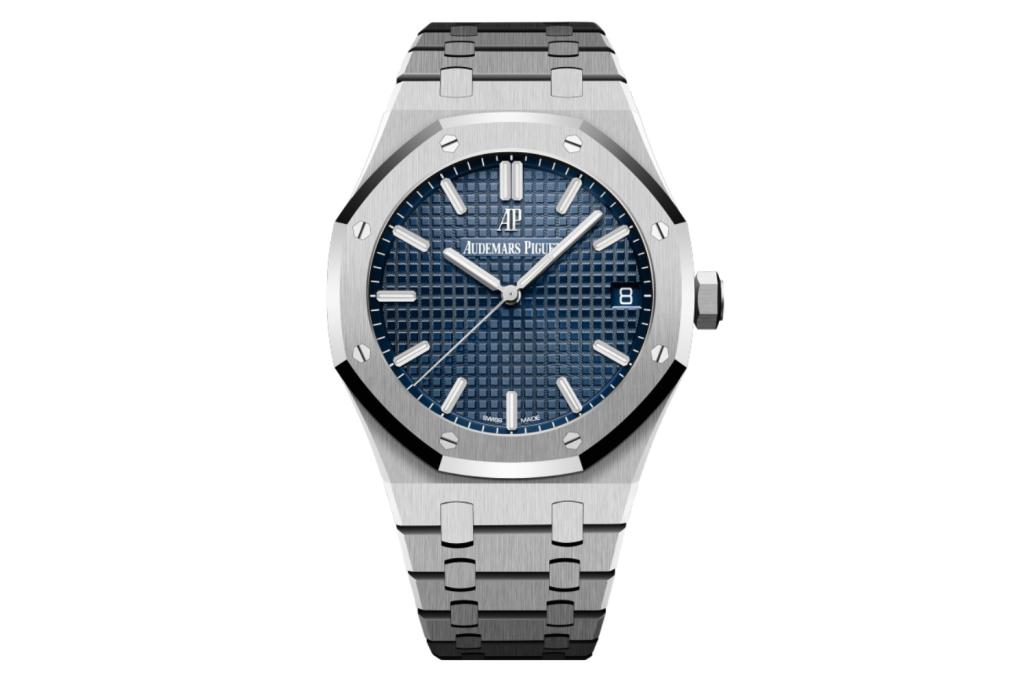
5. Audemars Piguet Royal Oak
Before 1972, the idea of a big, steel sports watch priced at the level of a haute horology masterpiece would have had you laughed out the room; now it’s hard to imagine life without them.
Gerald Genta’s seminal creation was all sharp planes and industrial chic, paired with the watchmaking expertise of one of the Big Three of Swiss watchmakers. He himself went on to create more iconic, integrated bracelet sports watches like the Patek Philippe Nautilus and the revamped IWC Ingenieur, but all still to this day live in the octagonal shadow of the Royal Oak.
It’s a shadow that’s only grown longer in the last decade or so with a plethora of similarly designed, ultra-faceted sports pieces ranging from the Tissot PRX to the continued success of the Vacheron Constantin Overseas.
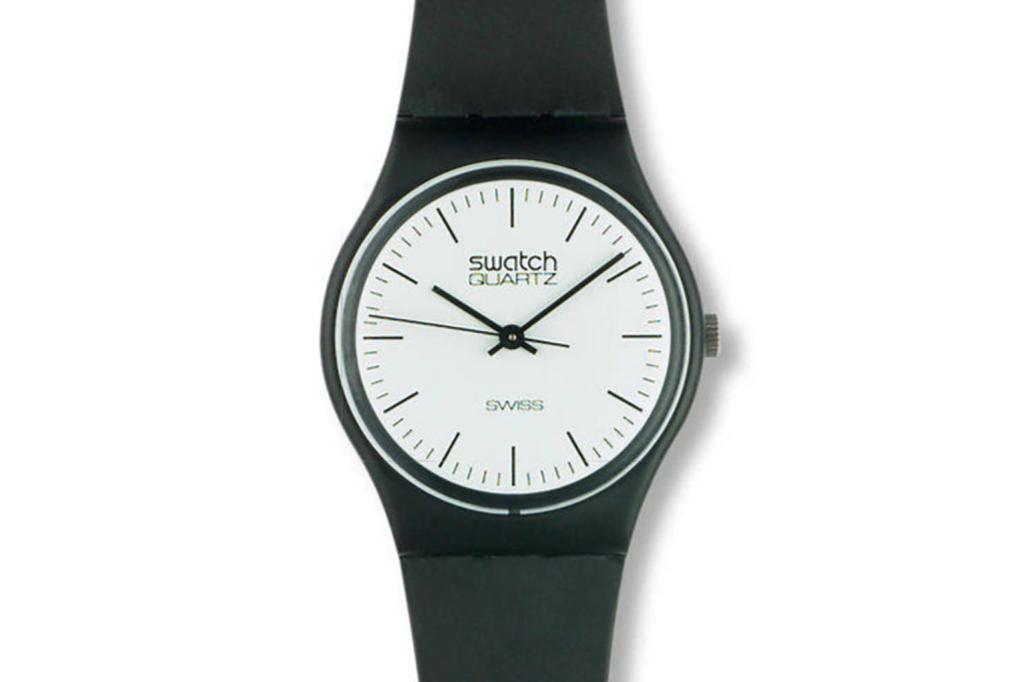
6. Swatch GB100
Moreso than quartz movements themselves, the biggest factor that ushered in the quartz crisis was much more banal: economics. It coincided with huge inflation of the Swiss Franc, making their watches more and more expensive.
The Swatch GB100, launched in 1983, was the antidote. The striking black and white star of a 12-watch line-up, the GB100 was designed around plastic cases and reduced components, minimising the aspects that normally cost money: assembly and finishing.
That meant the GB100 could be offered for as little as CHF39.90. Between the impulse buy-level pricing and funky designs, Swatch quickly became a Swiss powerhouse – and is a good part of the reason the watch industry today is what it is.
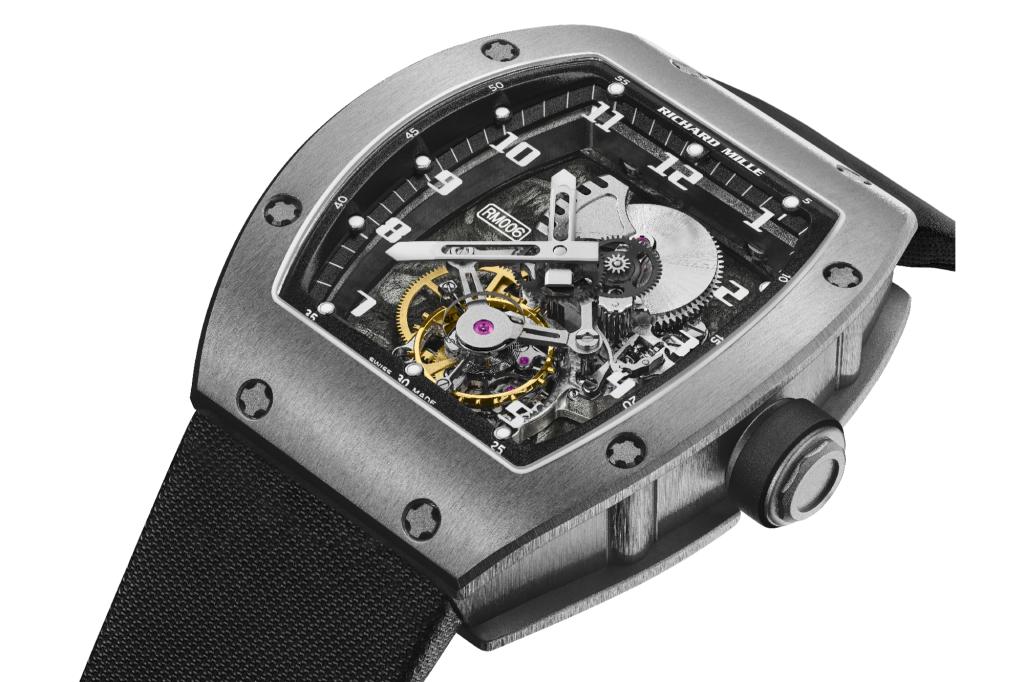
7. Richard Mille RM001
You don’t need to look hard these days to find plenty of avant garde, independently made watches with eye-watering price tags. But whether they’re more classically leaning or a fever dream of multi-directional tourbillons, we have Richard Mille to thank.
There’s an apocryphal story that when they released the RM001, the watchmaker accidentally added a zero onto the end. Whether that’s true or not, when hardcore collectors saw the €135,000 price tag, they went into a frenzy, proving that there was a hunger for mortgage-worthy timepieces that, until the RM001’s 2001 release, just wasn’t being tapped into.
There’s a healthy debate to be had about whether these kinds of watches are worth the money or they’re just a horological flex but honestly, it doesn’t matter. Either way, they sell.
Liked this? Buying your first mechanical watch? Here’s everything you need to know before spending a penny




Read the full article here


