

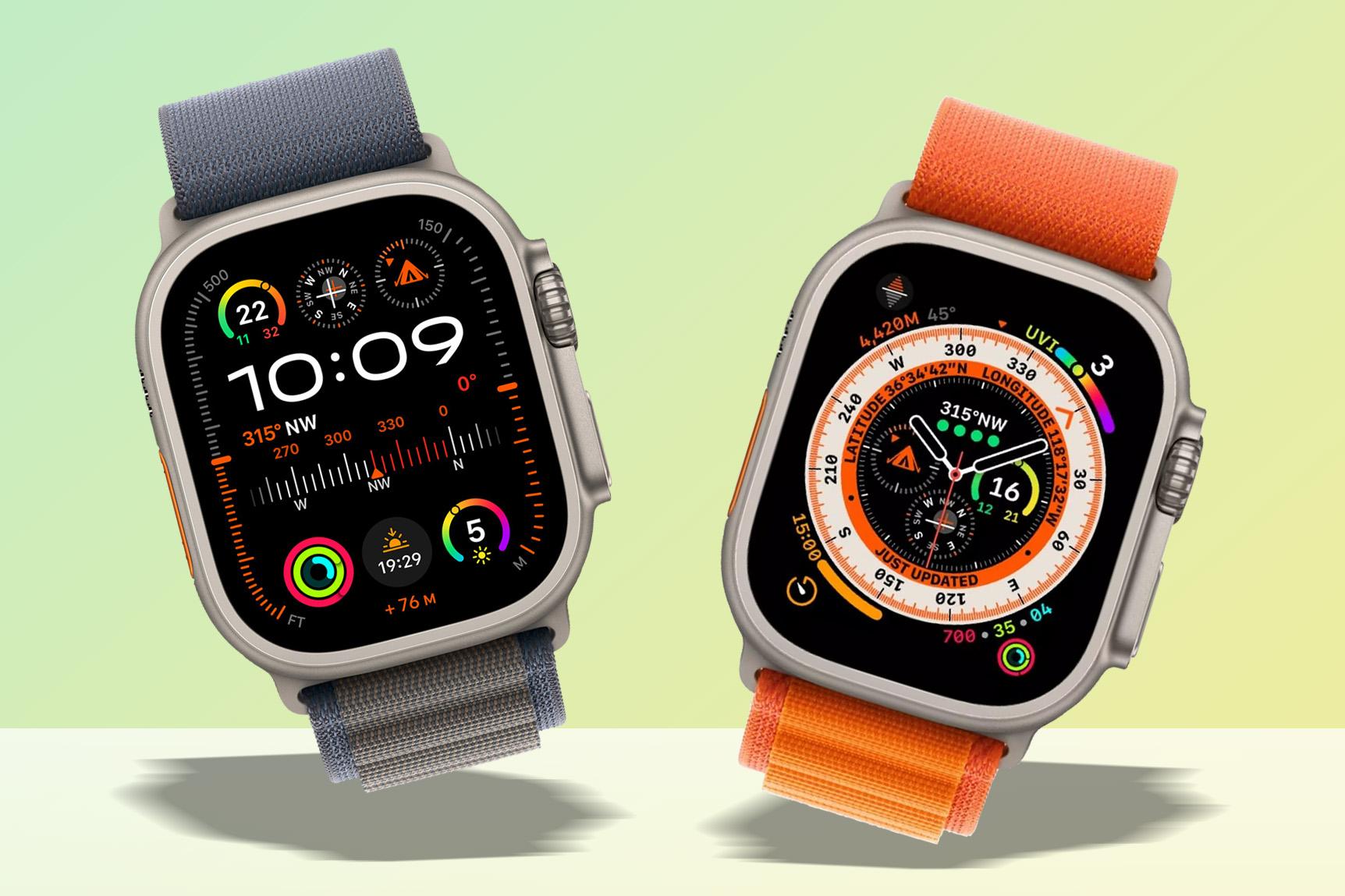
The Apple Watch has come a long way since it was introduced. It has significantly improved over the past decade, making it one of the best smartwatches on sale today.
The Apple Watch was unveiled in 2014, and since then it has gone through numerous iterations, each building on the last. What began as an ambitious companion for the iPhone has evolved into a sophisticated health, fitness and communication device, with the current lineup spanning the Apple Watch Series 11, Apple Watch SE 3 and Apple Watch Ultra 3.
How did it all begin? Let’s trace the Apple Watch’s evolution over the past decade, from its debut to its current status as a crucial tech item.
The original Apple Watch: first impressions, expensive options
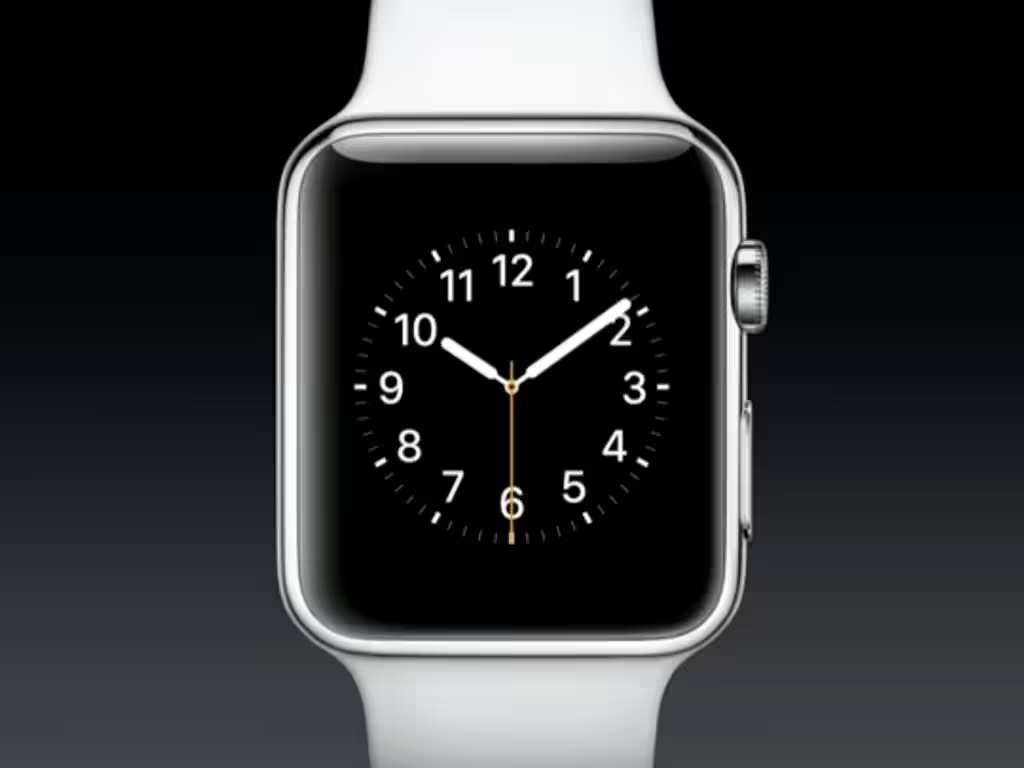
When the Apple Watch debuted alongside the iPhone 6 in September 2014, it was an epic breakthrough in wearable technology. A super cool design and potential wowed everyone, even though some wondered if we really needed another device in our already tech-crazy lives. One thing we all knew for sure: the Apple Watch was no ordinary timepiece.
One of the most impressive features of the original Apple Watch was how it changed how we interacted with technology. With the ability to receive and reply to notifications, users were no longer chained to their phones and could stay connected effortlessly. This meant they could easily keep track of important messages and alerts without interrupting their day.
The Series 0 version of the Apple Watch was about keeping users fit and healthy, helping them monitor their steps, calories, and heart rate, and even giving them gentle reminders to get up and move around. It was the ultimate fitness partner on your wrist!
The design of the original Apple Watch was sleek and modern, with a square face and various band options to suit different styles. It departed from traditional watch designs but retained a classic and timeless feel. The user interface was intuitive and easy to navigate, with a digital crown allowing users to scroll, zoom, and navigate easily.
A good start
The first Apple Watch made a big impression on everyone and proved how amazing wearable technology can be. It began a new era for wearables and inspired all kinds of advancements in the following years. The watch was innovative because it combined style and functionality like never before.
If you wanted to get your hands on an Apple Watch when it first came out, the price depended on which band and model you picked. The cheapest option was the Sport Band version, which was made with lightweight aluminium. On the other end of the spectrum was the ultra-luxurious Apple Watch Edition, crafted with 18-karat gold and started at an outrageous $10,000/£8000.
Apple Watch history: design changes through the years
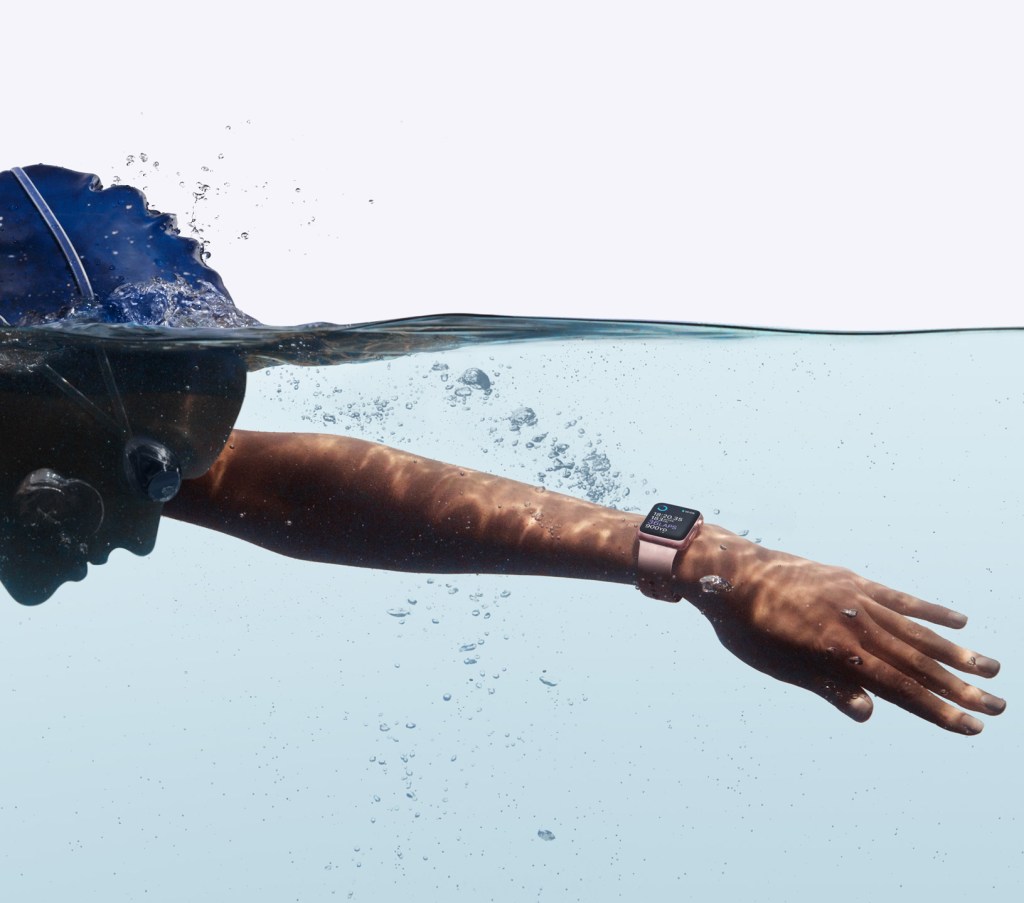
Over time, the Apple Watch has evolved and adapted to meet its users’ changing needs and preferences. Each new generation has brought unique and innovative features to the table. However, the most significant transformation occurred with the Apple Watch Series 2 launch in 2016, which introduced a water-resistant design and built-in GPS. This upgrade allowed fitness enthusiasts to wear the watch during water-based activities and track their workouts without needing an iPhone.
Is bigger better?
In 2018, the Apple Watch Series 4 revolutionized the device’s appearance with a sleek and modern design. It featured a larger display, thinner bezels, and curved corners, providing a more immersive user experience by displaying more information on the screen. The digital crown was also upgraded, providing a more tactile experience with haptic feedback.
Apple’s commitment to providing diverse options for users continues with the launch of the Apple Watch Series 6 and Apple Watch SE in 2020. The Series 6 maintained the design of its predecessor but added new colors and finishes, including a striking Product(RED) version. In contrast, the Apple Watch SE offers a more budget-friendly option for those seeking the latest features without the high price tag. This range of options caters to various preferences and budgets, ensuring everyone can find an Apple Watch that suits their needs.
Users can choose from various bands and accessories to further personalize and express themselves through their Apple Watch. Leather straps, metal bracelets, and sporty bands offer options for every occasion and style. However, Apple discontinued the production of leather bands in 2023 Apple phased out its leather accessories in 2023, replacing them with the FineWoven range as part of its wider environmental goals. Since then, the company has continued expanding its range of recycled materials and refreshed band colours each season, while maintaining compatibility with many bands across multiple generations of Apple Watch.
As for the Watch istelf, Apple has continued refining the Watch design rather than reinventing it. Apple Watch Series 7 introduced noticeably slimmer bezels and larger displays, while Apple Watch Ultra arrived in 2022 with a rugged 49mm titanium case, flat sapphire crystal display and programmable Action button aimed at hikers, divers and endurance athletes. Apple Watch Series 10 then became the thinnest Apple Watch ever, increasing display sizes to 42mm and 46mm while introducing Apple’s first wide-angle OLED display, before the Series 11 continued that design philosophy with internal upgrades rather than another visual overhaul.
Apple Watch history: from health and fitness trackers to standalone device
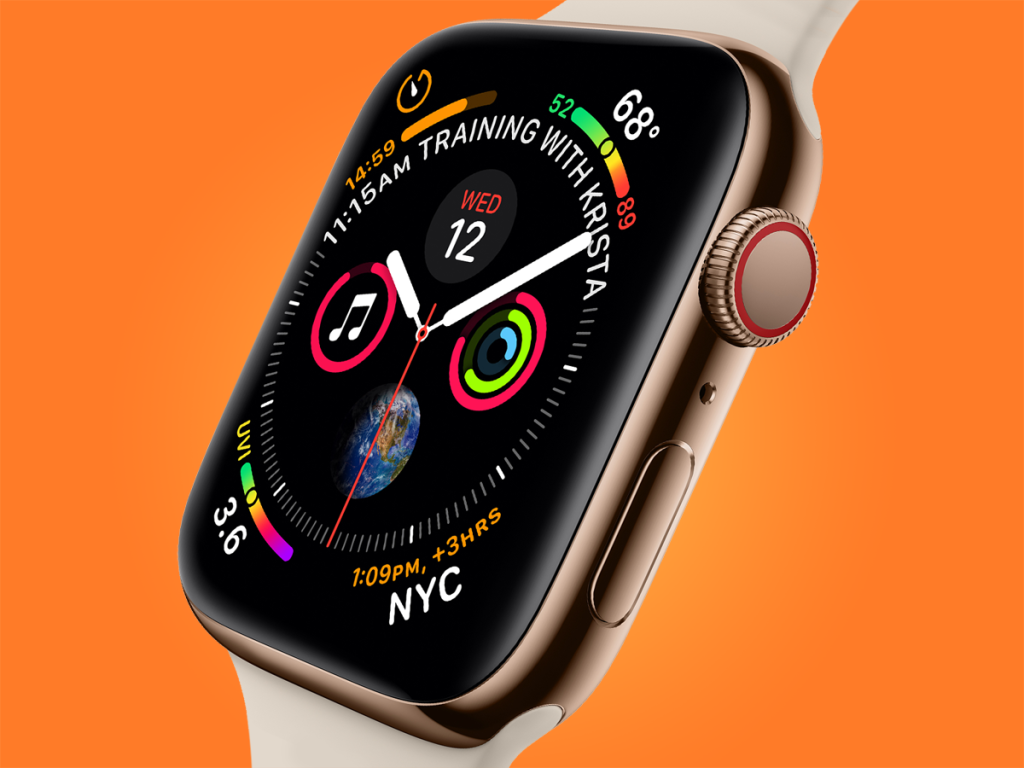
Over the years, the Apple Watch has evolved remarkably, transforming from a basic tool for tracking health and fitness to a versatile device that can handle various tasks. While its primary function focuses on health and wellness tracking, the Apple Watch has become an indispensable companion for daily activities.
One of the most significant milestones in the Apple Watch’s transition to a standalone device was the introduction of LTE cellular connectivity, which enabled users to make phone calls, send messages, stream music, and utilize apps directly from their wrists without their iPhones. This game-changing feature allowed users to remain connected and access vital information while on the move, even if they didn’t have their phones nearby.
The Apple Watch has continued to improve its standalone functions with each new generation, introducing remarkable features like the ability to take electrocardiogram (ECG) readings directly from the wrist in the Series 4 model. This breakthrough in healthcare technology offers individuals convenient and proactive heart health monitoring and valuable insights to improve their overall well-being.
Other features
Beyond its health and communication capabilities, the Apple Watch has become a central hub for various applications and services, quickly incorporating them into daily routines and allowing quick and effortless interactions. It enables users to control smart home devices and make contactless payments through Apple Pay, all while remaining connected and informed.
Recent Apple Watch generations have become even more capable without constantly relying on an iPhone. The S9 processor introduced on-device Siri processing, allowing many requests to be handled directly on the watch, while the newer S10 powers the latest Apple Watch models with faster machine learning, more responsive interactions and increasingly intelligent health and fitness features. Combined with cellular connectivity, today’s Apple Watch is far closer to being a standalone computer on your wrist than the original model ever was.
As the Apple Watch continues to evolve, software has become just as important as new hardware. Recent versions of watchOS have introduced features such as Vitals, Training Load, smarter Smart Stack widgets and Workout Buddy, while Apple continues to use increasingly powerful silicon to deliver more personalised health insights and coaching directly from the wrist.
Improvements in technology: faster Processors, better battery life
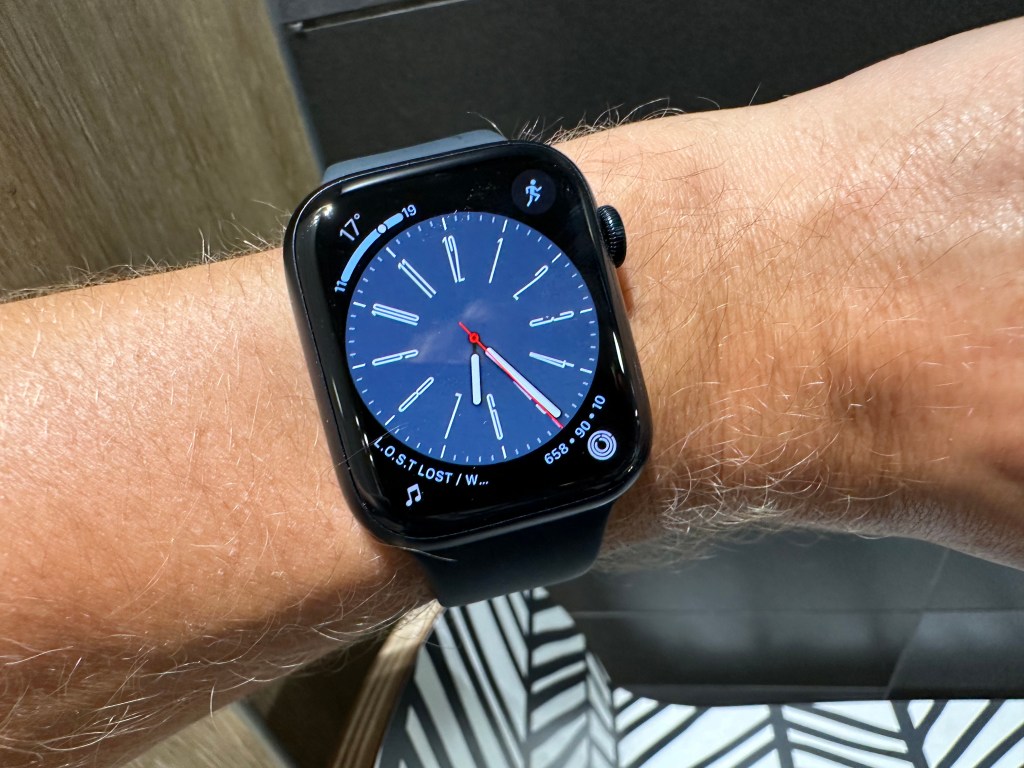
Every Apple Watch generation has introduced a more capable System in Package (SiP). The original S1 chip evolved through the S2, S3 and S4 before larger leaps arrived with the S6 and S9. Apple Watch Series 9 and Apple Watch Ultra 2 introduced the S9 SiP with a 4-core Neural Engine, enabling on-device Siri, Precision Finding for compatible iPhones and the Double Tap gesture. Apple then introduced the S10 SiP with Apple Watch Series 10, which now also powers the Series 11, SE 3 and Ultra 3, bringing faster machine learning performance and supporting the latest health, fitness and watchOS features.
Battery life is another crucial area where the Apple Watch has shown steady progress. The first edition was a bit of a hassle since it needed nightly charging due to its inability to last a full day of use, but it has improved more gradually than performance. Standard Apple Watch models have largely remained around Apple’s familiar all-day battery target, but charging has become considerably faster over the years.
Apple Watch Series 10 introduced quicker charging that can provide around eight hours of normal use from roughly 15 minutes on the charger. Meanwhile, the Ultra family has prioritised endurance, stretching battery life well beyond the standard models and reinforcing its position as Apple’s smartwatch for explorers, endurance athletes and multi-day adventures.
Always On
One of the most noteworthy features is the Always-On Retina Display, which allows you to glance at the time and your notifications without raising your wrist or tapping the screen. This feature, which arrived on the Apple Watch Series 5, is made possible by a low-temperature polysilicon and oxide (LTPO) display, which adjusts the refresh rate based on your activity level. Plus, it’s super handy in bright sunlight because the display always remains visible.
Apple has also steadily expanded the Watch’s health capabilities. ECG, Blood Oxygen, temperature sensing, sleep apnoea notifications and increasingly sophisticated workout tracking have transformed it from a simple activity tracker into one of Apple’s most important health products. With each new generation, improvements in processing power and software have allowed these features to become faster, smarter and more accurate without dramatically changing how the watch looks or feels.
Apple Watch history: most recent models
Apple’s approach to the Apple Watch has changed significantly over the past few generations. Rather than treating every new release as a complete redesign, the company now focuses on refining the experience year after year while expanding the lineup to suit different users.
Apple Watch Series 7, launched in 2021, and introduced one of the biggest visual updates since the Series 4. It featured slimmer bezels, larger 41mm and 45mm displays, a more crack-resistant front crystal and significantly faster charging, while watchOS took advantage of the extra screen space with features such as a full QWERTY keyboard.
The following year brought Apple Watch Series 8, which continued Apple’s growing focus on health. It introduced wrist temperature sensing to support advanced cycle tracking, alongside Crash Detection, while the second-generation Apple Watch SE gained the faster S8 SiP and Crash Detection without losing its position as Apple’s more affordable smartwatch.
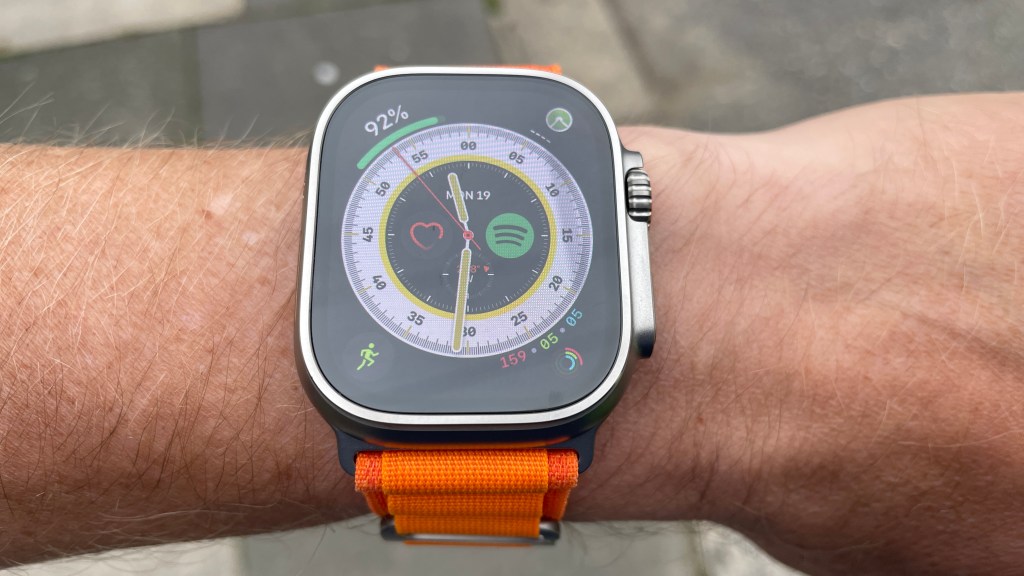
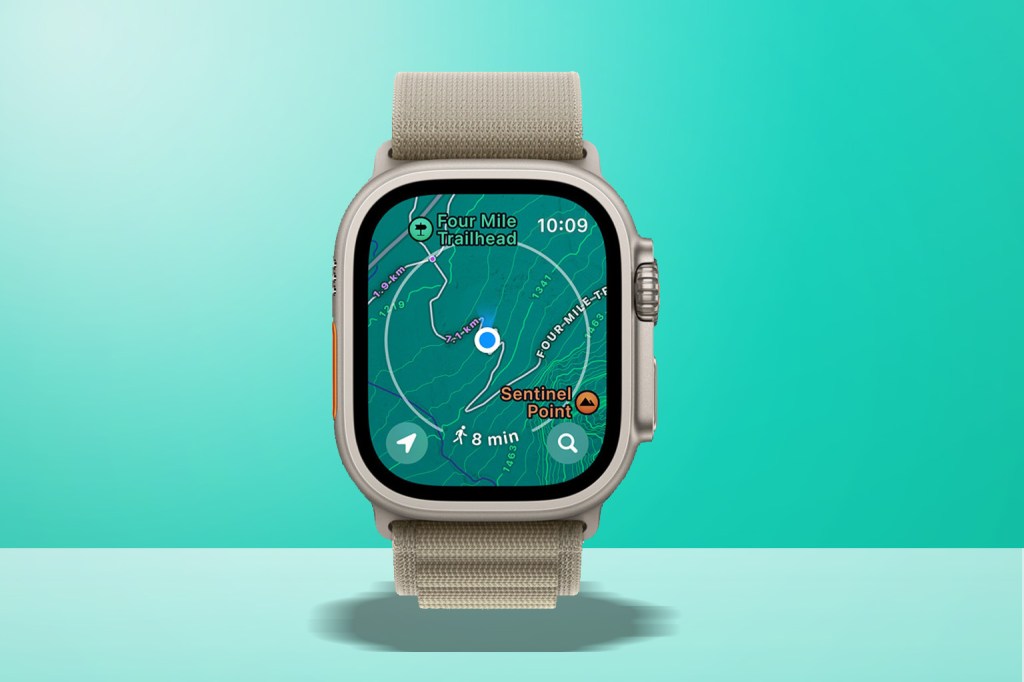
2022 also marked arguably the biggest change in Apple Watch history with the arrival of the first Apple Watch Ultra. Rather than simply making a larger Apple Watch, Apple created a separate family aimed at endurance athletes and outdoor adventurers. Its 49mm titanium case, flat sapphire crystal display, programmable Action button, dual-frequency GPS, 100-metre water resistance and battery life of up to 36 hours made it unlike anything Apple had produced before.
Apple followed that with Apple Watch Series 9 and Apple Watch Ultra 2 in 2023. Powered by the S9 SiP and its 4-core Neural Engine, both introduced on-device Siri, Precision Finding for compatible iPhones and the Double Tap gesture, while Ultra 2 increased maximum display brightness to an impressive 3000 nits.
Series 10, released in 2024, represented another important milestone. Apple redesigned the watch to make it thinner than every previous generation while increasing display sizes to 42mm and 46mm. It also introduced the S10 chip, Apple’s first wide-angle OLED display on the Apple Watch, faster charging, depth and water temperature sensing, and Sleep Apnoea Notifications, reinforcing the company’s continued investment in health monitoring.
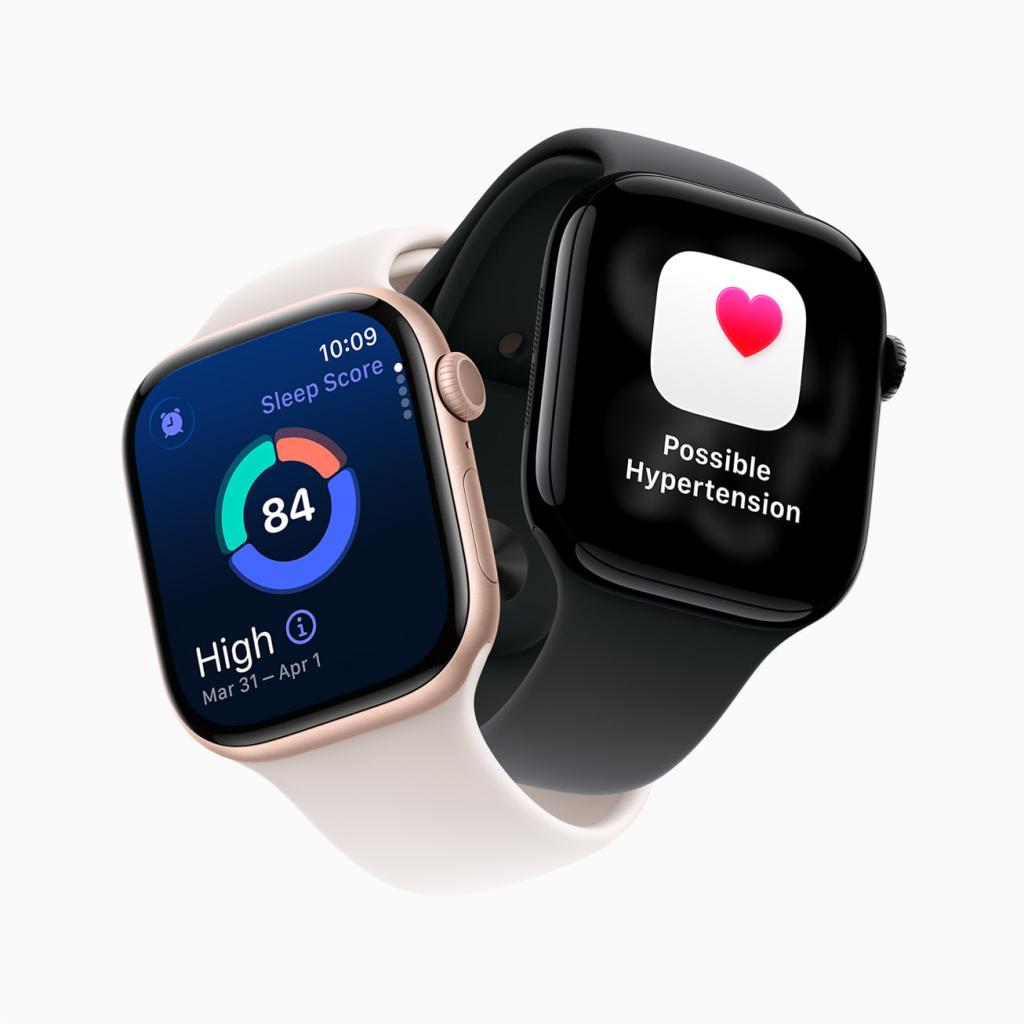
The current lineup, introduced in 2025, builds on those foundations rather than reinventing them. Apple Watch Series 11 retains the Series 10 design while adding refinements such as 5G connectivity, tougher front glass, hypertension notifications, sleep score tracking and longer battery life. Apple Watch SE 3 brings many flagship technologies, including the S10 SiP, an Always-On Retina display and faster charging, to Apple’s entry-level model. Meanwhile, Apple Watch Ultra 3 continues to push the range further with built-in satellite connectivity, 5G, improved health features and even longer battery life, cementing its place as Apple’s ultimate smartwatch for extreme environments.
Apple Watch collaborations
Since the introduction of the first Apple Watch, Apple has collaborated with other iconic brands to release two special lineups. These have included Apple Watch Hermès and Apple Watch Nike, but while Hermès continues as Apple’s premium fashion collaboration, the dedicated Nike hardware line has gradually disappeared in favour of standard Apple Watch models paired with exclusive Nike watch faces and bands. That approach gives buyers more freedom to combine Nike’s fitness-focused styling with whichever Apple Watch best suits their needs.
The future of Apple Watch: rumored features and expectations
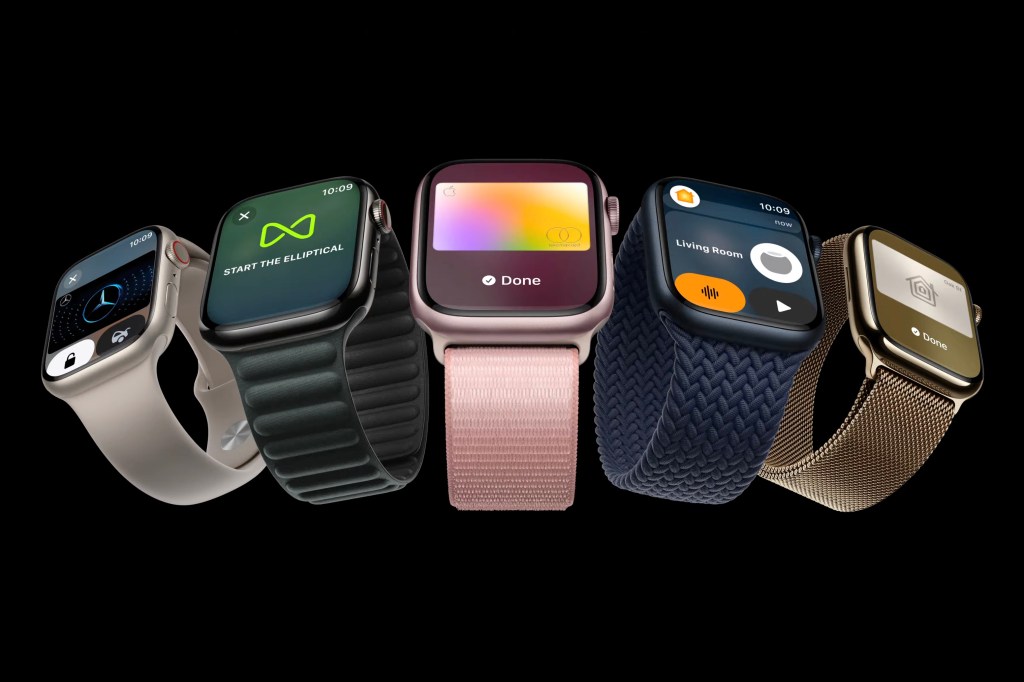
More than a decade after the original Apple Watch launched, Apple’s challenge is no longer proving that people want a smartwatch – it’s finding meaningful new ways to improve what is now a very mature wearable platform.
Health remains the tech giant’s biggest opportunity. While Apple has introduced increasingly advanced wellness features over the years, industry speculation now centres on technologies that go beyond today’s sensors. Blood pressure monitoring has long been rumoured and has now partly materialised through hypertension notifications on the latest models, although this should not be confused with a traditional blood pressure monitor that provides on-demand readings. Non-invasive blood glucose monitoring continues to be linked with future Apple Watches, but the technology remains technically challenging and has yet to become reality.
AI will (unsurprisingly), also play a much bigger role. Recent versions of watchOS have already introduced smarter fitness coaching, Training Load, Vitals and Workout Buddy, and future generations are likely to build on those foundations with increasingly personalised health insights and coaching powered by Apple’s wider AI platform.
Whatever comes next, Apple’s strategy appears to have shifted away from dramatic annual redesigns. Instead, the company continues to refine the Apple Watch through better displays, more capable silicon, smarter software and new health features, allowing each generation to build naturally on the one before it. Looking ahead, Apple is widely expected to unveil another generation of Apple Watch models alongside its next iPhone 18 Pro lineup in September 2026. Rumours currently point to an Apple Watch Series 12, and potentially an Apple Watch Ultra 4, with further improvements to health tracking and AI-powered wellness features, although Apple has yet to officially confirm any details.


Read the full article here
