


I’ve always found a particularly masochistic pleasure in browsing for products that I could never, even in my wildest dreams, afford. And I’m not talking about tacky gem-encrusted smartphones.
For my latest virtual shopping trip, I thought you’d like to join me. I’ve given myself a generous $100,000 – enough to get properly carried away, but a budget nonetheless.
It’s a decent chunk of change, with most of the money going on the sort of kit I’d usually admire from the cavernous distance worthy of my paltry finances. Oh, and if you’re reading this, Santa, consider this my official list.

We may as well start with the thing that’ll be hardest to get through the front door. Samsung’s gargantuan 115in R95F 4K TV practically has its own gravitational pull, but its sheer size is far from its only appeal.
Its Micro RGB technology uses tiny red, green, and blue LEDs for the backlight, giving Samsung finer control over colour. There’s a glare-reducing screen, too, handy for reducing the shine from all the silverware. It also supports refresh rates up to 144Hz from a compatible PC, making it ideal for gigantic, action-packed gaming.
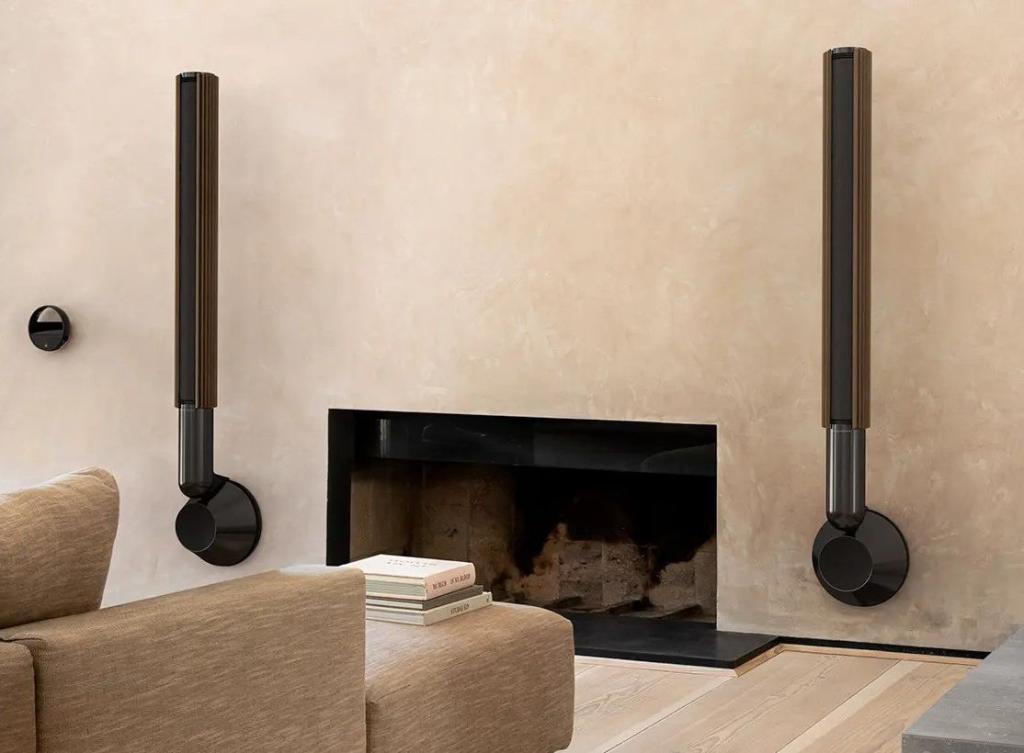
These slender aluminium columns are a rather elegant way to spend the next chunk of the budget. Each speaker has its own downward-firing woofer for rib-shaking bass, while Active Room Compensation adjusts the sound to account for its surroundings.
You can stream music straight to them, too, without finding space for a separate amplifier. But their more unusual trick is being able to change how widely they spread the sound. Narrow mode concentrates it on your listening position, while Wide mode spreads it out for people elsewhere in the room. Even the speaker covers move – B&O calls them “curtains”, and they open wider when you select Wide mode.
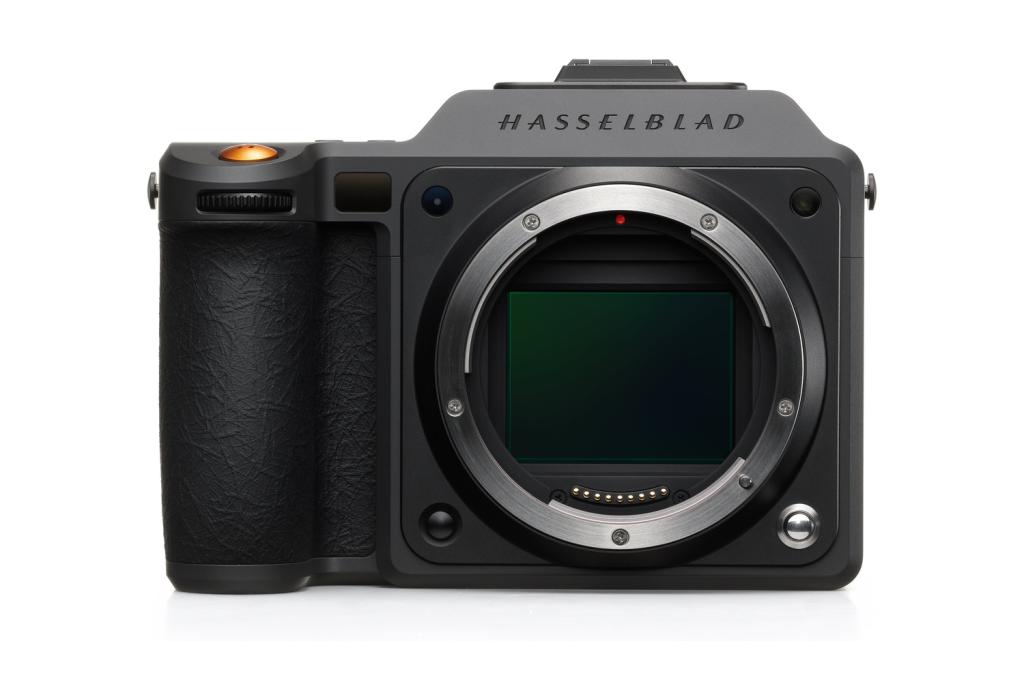
A camera without a lens would make for a rather useless addition to our list, so I’ve paired the X2D with Hasselblad’s XCD 2,8-4/35-100E zoom, included in the price above.
The X2D II’s 100MP medium-format sensor captures an extraordinary amount of detail, with plenty of scope for cropping or making huge prints. But there’s more to the appeal than being able to count distant leaves. It can capture HDR photographs and display them on its own bright OLED touchscreen, preserving the contrast between deep shadows and bright highlights. You can then edit those HDR files on an iPhone or iPad with Hasselblad’s Phocus Mobile 2 app.
Continuous autofocus tracks moving subjects, while the stabilisation system counters hand shake to help keep all that detail sharp. There’s a built-in 1TB SSD, too, so forgetting a memory card won’t spoil an outing.
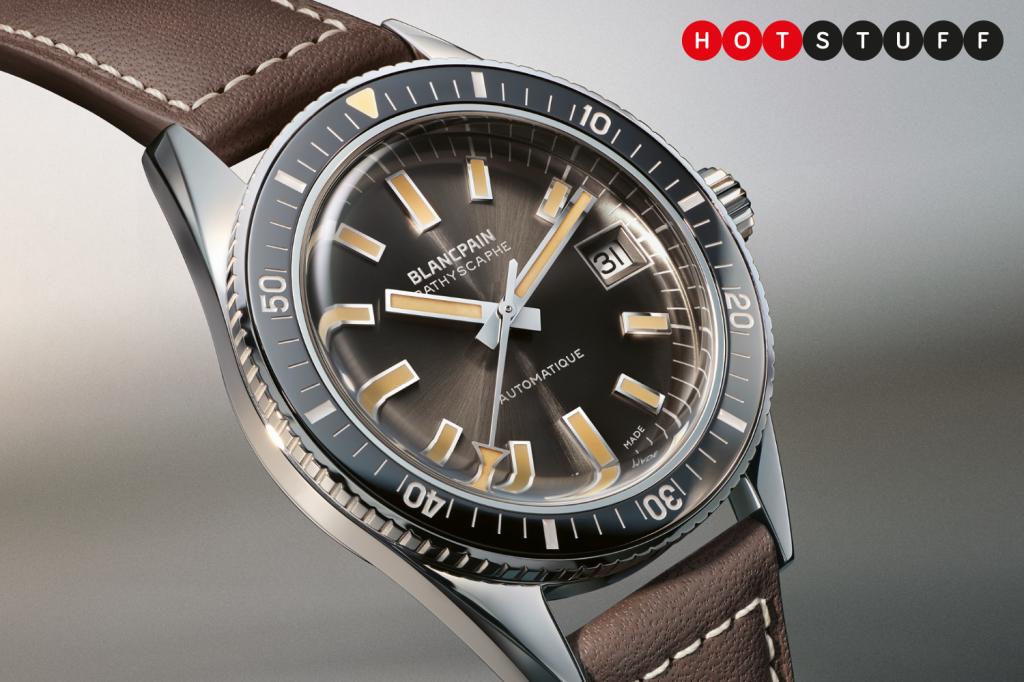
Our one luxury watch is surprisingly restrained. This limited-edition Bathyscaphe has a 37.4mm steel case, a grey sunburst dial, and a chocolate-coloured leather strap.
Turn it over, and the sapphire caseback reveals the automatic movement and its gold rotor. It has a 100-hour power reserve when fully wound – more than four days. The appeal here, though, is the absolutely mind-blowing miniature machinery – 210 components in a movement just 3.25mm thick, with that rotor winding it as your wrist moves. The black ceramic bezel rotates in one direction for timing dives, and the case is water-resistant to 30 bar.

Time to leave the house. Amflow’s electric mountain bike combines a carbon frame with an Avinox M2S drive system, offering assistance that can make a steep climb rather less punishing.
Its Boost mode delivers up to 150Nm of torque for particularly demanding climbs, while Auto mode adjusts assistance as conditions change. The Pro specification adds higher-end suspension and carbon components, plus electronic gear shifting. There are 40 frame-geometry combinations to experiment with, altering the way it handles rather than just its appearance. Pair a heart-rate monitor, and the motor can even adjust its assistance to help keep you in your chosen heart-rate zone. You set how hard you want to work – the bike responds as your effort changes.
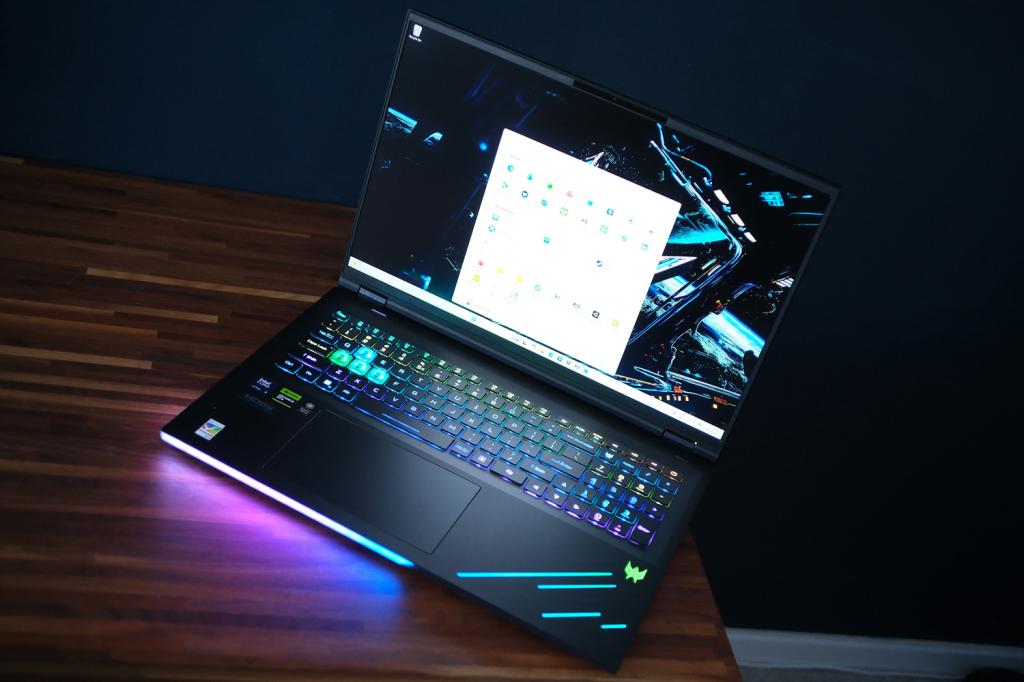
This is a laptop in the sense that you can close it and carry it somewhere. With an 18in Mini LED display and GeForce RTX 5090 laptop graphics, the Predator is much happier occupying a desk.
The model we’ve budgeted for combines Intel’s Core Ultra 9 290HX Plus with 32GB of RAM and a 1TB SSD. Its screen runs at a crisp 3840 × 2400 at a buttery-smooth 120Hz, or you can drop to 1920 × 1200 for a faster 240Hz refresh rate. I’d use the higher resolution to take in a sprawling fantasy world, then switch modes for a fast-paced shooter. The Mini LED backlight can also dim different areas of the picture separately, giving bright effects more impact against dark surroundings.
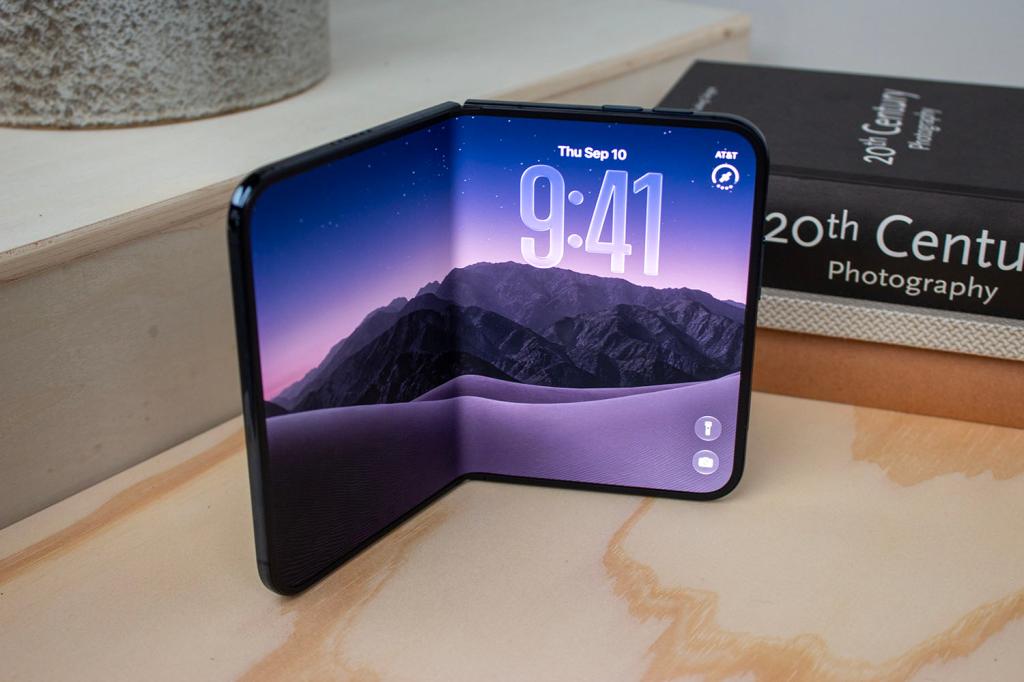
We’ve allowed for the 1TB version of Apple’s folding iPhone. Crack it open, and the 7.6in inner display gives you room to read without constantly zooming in. I’d happily unfold it for a comic on the train – then close it and use the smaller outer screen to reply to a message. The hinge also lets it stand in a tent position for watching video without a separate stand. Pre-orders begin on 16 October, with availability from 23 October.
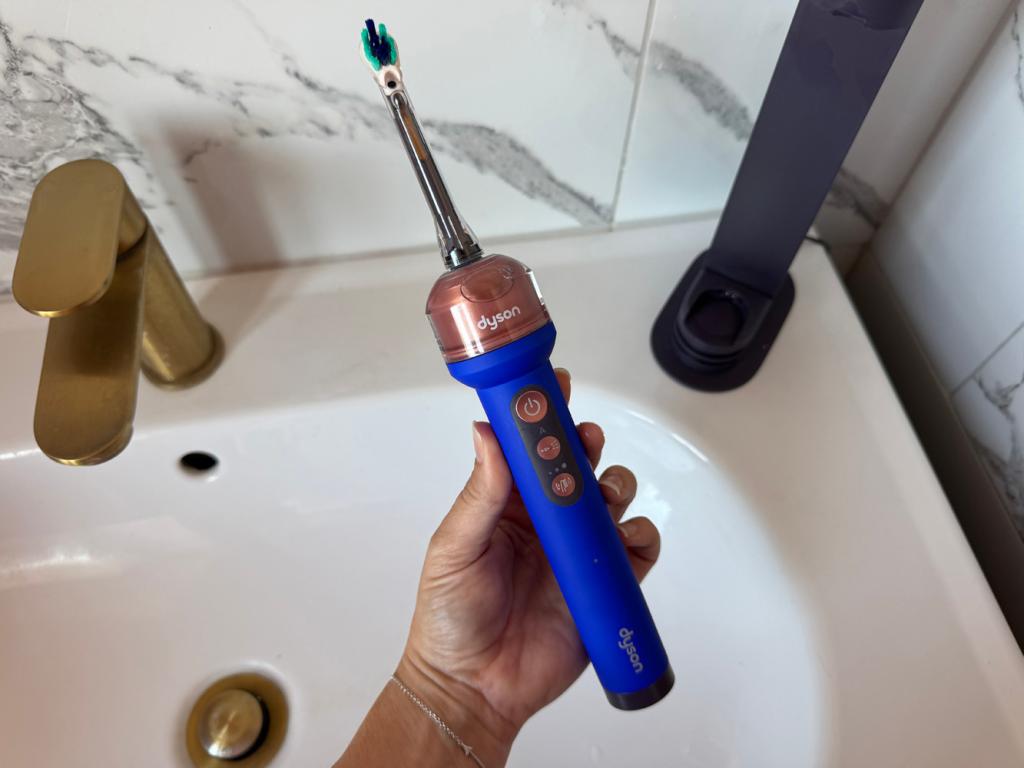
A $500 toothbrush is a little easier to justify when you’ve given yourself a pretend $100,000 budget. Dyson’s CameraJet uses a camera to identify gaps between teeth, firing little jets of liquid to floss while you brush. It analyses 28 images a second to find those gaps, so the jets fire automatically as you move the brush. You can also watch a live view from inside your mouth in the MyDyson app, which maps your brushing coverage to show missed areas. It needs non-foaming toothpaste so the camera can see what it’s doing. The Ceramic Pink model is currently out of stock on Dyson’s US website.
And with that, our grand total comes to $99,695.97. That leaves $304.03 before tax and delivery. Keep the change.


Read the full article here
