






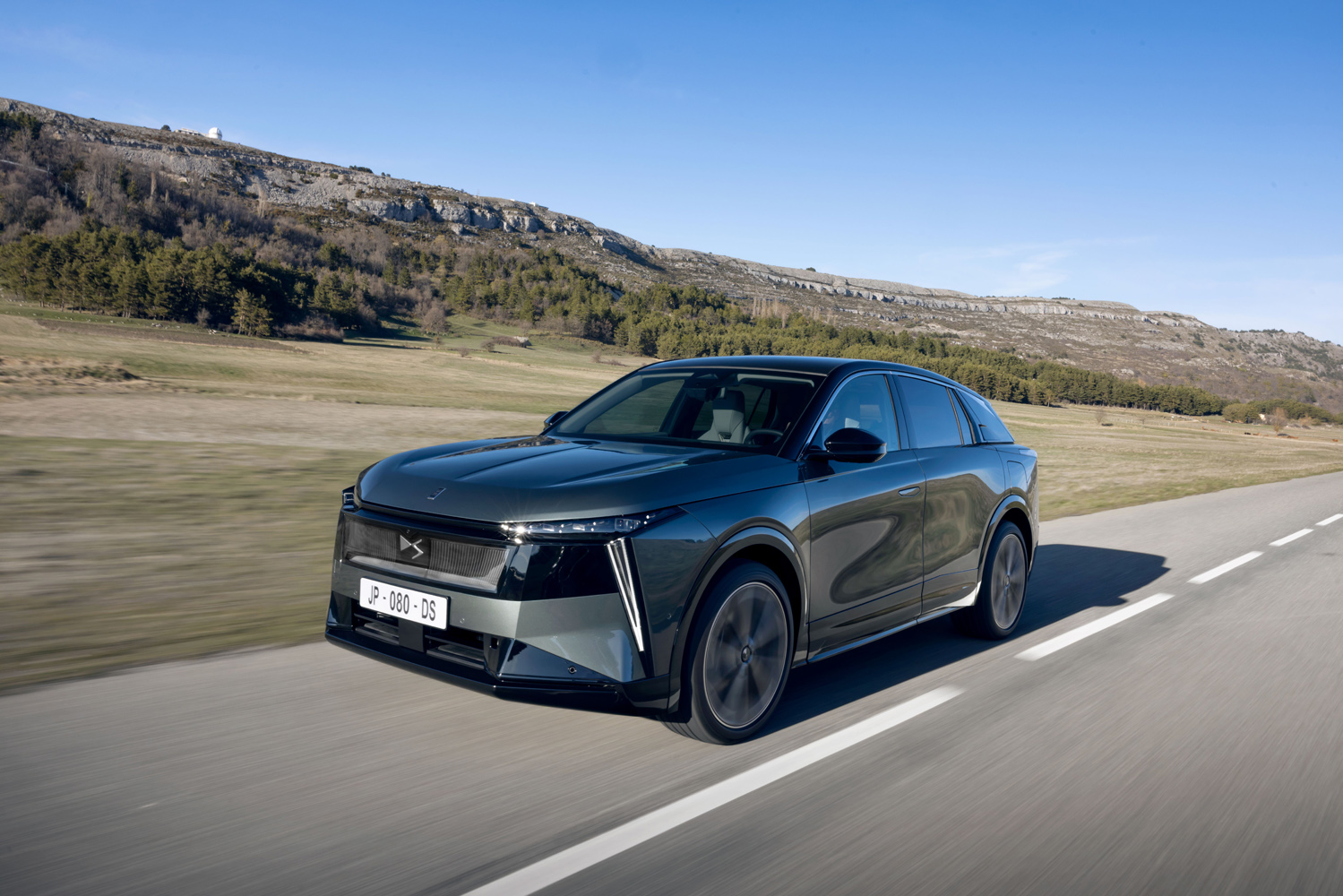
It isn’t long since I was behind the wheel of the DS N°4, which was recently updated to bring it in line with a refreshed range of cars from this most niche of French brands that also includes the wafty DS N°8. Now the DS No7 has returned, having ditched the smoother-edged looks I was rather fond of in favour of a more angular design. It’s an altogether more aerodynamic and very premium SUV, which is likely to appeal to anyone who doesn’t want a run-of-the-mill motor on their drive.
It’s commendable that DS is providing a wide range of model options for this car, especially considering the DS brand means precious little to many folks outside of France and won’t be leaving Europe. It hits the UK from £38,920 for the Hybrid Pallas 145hp model, but climbs to £66,690 for the electric E-Tense AWD Long Range La Premiere 350hp car. My pick of the crop is the DS No7 E-Tense FWD Long Range Étoile 245hp, which at £57,190 feels like a sensible middle ground. I much preferred it over the hybrid edition I also tried.
I can’t remember the last time I got in a car and got a whiff of real leather, though that might be something of a turn-off for people who’d be happier with whiff-free synthetic alternatives…
The styling
My test car came on a very sensible set of wheels with chunky sidewalls that would have to be the way forwards for somewhere like the UK market. It seemed like they were fitted with plastic trims over alloys but presumably it helps keep the DS No7’s aerodynamic profile down to an impressive 0.26Cx. Elsewhere, those sculpted angles around the car must also help it cut through the air.
The front end is dominated by a very plasticy grille section while the back end looks really good, with it’s bold and quite mean edginess. The current penchant for using letters over badges felt a bit OTT though, with the tailgate emblazoned with a lengthy ‘DS Automobiles’ array. Less good were the recessed door handles, which at the front didn’t feel all that easy to use and, at the back, where they were incorporated into the rear pillar, seemed decidedly counter-intuitive during everyday use. Again, good for the aerodynamics though.
As mentioned, it’s quite a rare occurrence to get behind the wheel of a car and notice the smell of proper leather, but that was immediately apparent inside the DS No7, which added to the premium feel of the interior. DS had also integrated some nice touches to help take things up a notch, like the neck warmer functionality built into the front seats. Another noticeable premium feature was the acoustic laminated front windows, which did a great job of limiting any wind noise from the door mirrors.
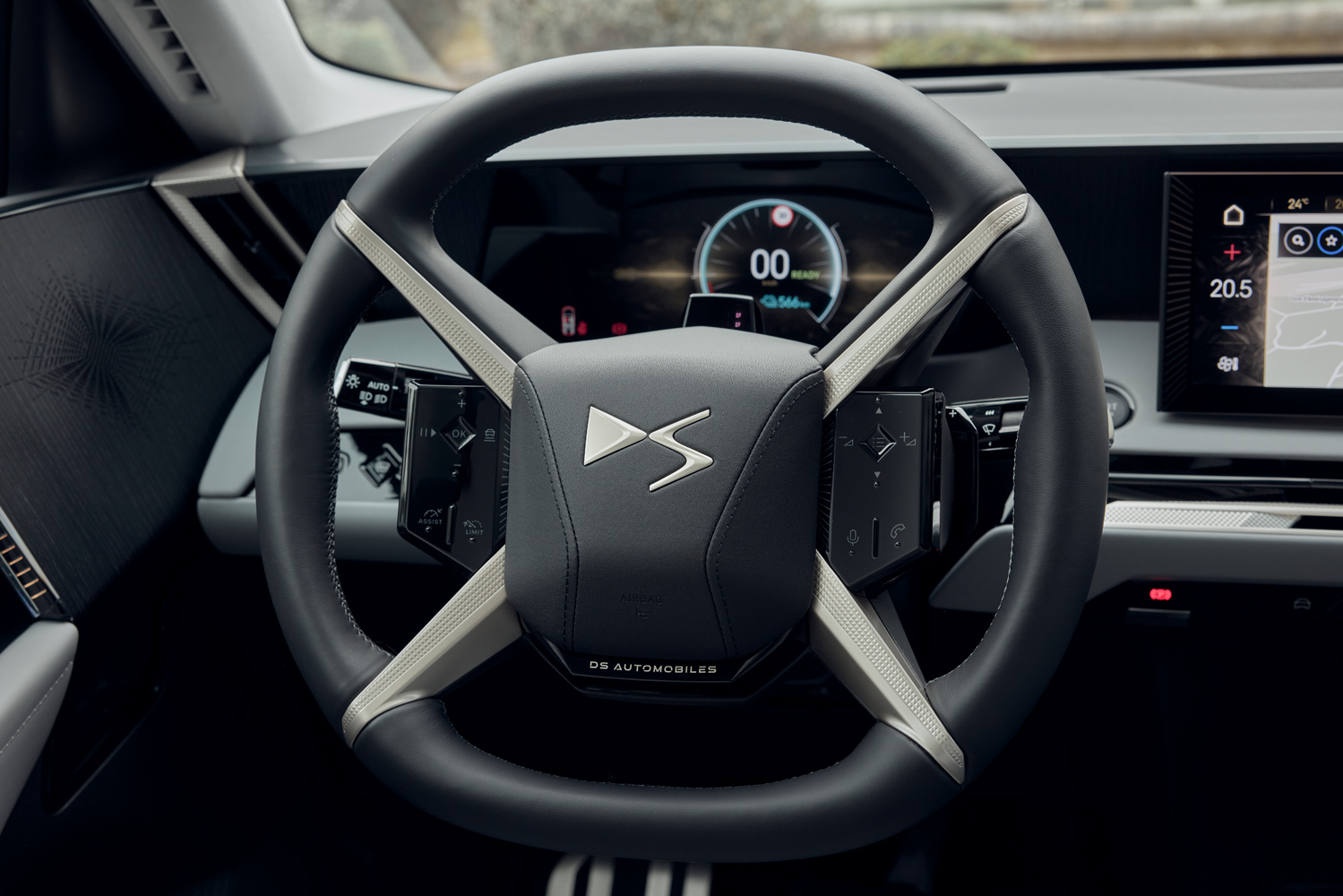
I was less fussed about the four-spoke steering wheel that packed lots of control options via two small pads, which looked really faint during daylight hours, but the design felt more like form over function. It looked great but wasn’t especially comfortable or intuitive to use during everyday driving and those twin control pads were a fuss to use on the go. Other blingy touches included brushed metal coverings over key fixtures and fittings, plus ambient lighting bars that ran down the front of the door handle recesses as per the even posher DS N°8.
The drive
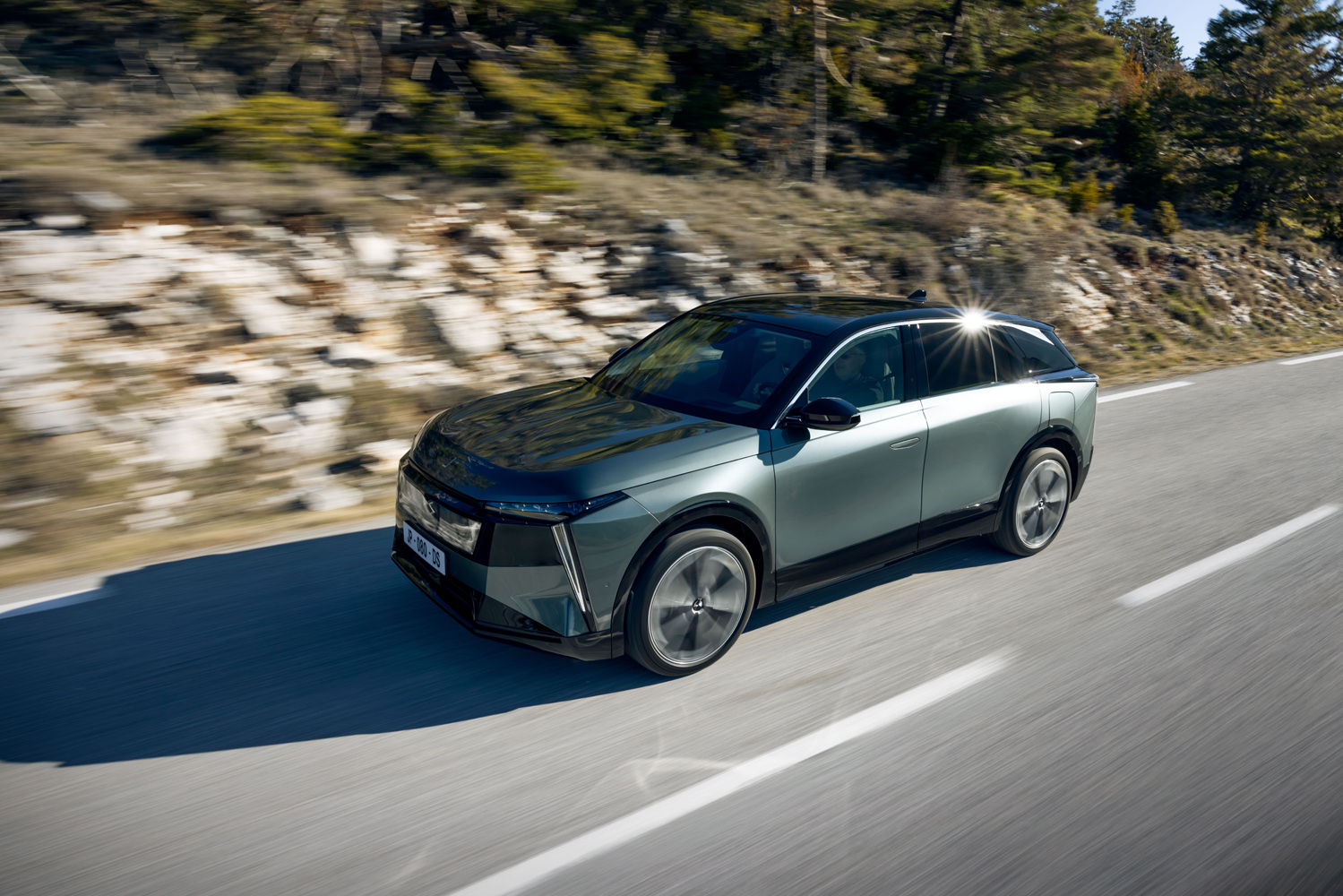
After spending a decent amount on a new car, I’d be slightly deflated to find the self-same drive shifter as found in many other Stellantis cars. However, it worked well enough and, aside from that, I was very pleased with the driving position offered by the DS No7. This is a car designed to cover distances too, so it is both very comfortable and has range – up to 460 miles on my model. Meanwhile, to drive, the DS No7 felt most at ease when was being used as a motorway cruiser and a lot of that is down to the ride quality.
DS has a long history of producing cars with enviable suspension setups and the convoluted mechanical designs have now been largely replaced with technology. My electric model came fitted with DS Active Scan Suspension, that used a camera to analyse the road surfaces I was on and dynamically adapted to suit the surroundings. It was quite hard to distinguish any dynamic evidence of this happening, but the ride was generally very good. The best way to see any marked difference was to switch to the Sport drive mode, where the car was given a little more edge for getting through the bends.
At this point I have to add that I noticed quite a big difference between the electric DS No7 and its hybrid counterpart. While the EV was smooth across the board, the 1.2-litre hybrid tended to feel a little underpowered and would rev very enthusiastically when pushed. This took a bit of the premium feel of the DS No7, so for me I’d head for the all-electric model every time. It was perfect on motorways and even did a good job at handling unpredictable backroads, with those chunky sidewalls adding supplementary assistance to the clever suspension setup.
The hybrid was fine when driven gently and also fared well on the motorway once it had got up to cruising speed. Again, though, the EV just had a lot more get up and go, which is basically an essential requirement nowadays for getting out at junctions and roundabouts. So, as far as I was concerned, the all-electric DS No7 trumped with hybrid with ease.
The technology
While there was quite a lot that had a familiar Stellantis group feel to it, the technology inside the cabin of the DS N°7 felt like it reached a similar premium level as the rest of the cockpit. Aside from a decent 10in digital instrument cluster, the 16in central touchscreen display, got the job done but looked and felt a long way off the quality that comes with, say, the Mercedes-Benz MBUX current offering though. I couldn’t believe how hot both it and the switchable electric rear-view mirror felt to the touch too.
I was keener on the DS Extended head-up display, which like every other one I’ve tried, soon became my core option for getting on-the-go driving information. How did we ever manage without them? There were plenty of premium functions to pick over as well, with Stellantis group massage functionality getting good use from me during my drive with the ever-popular ‘cats paw’ mode being best of the bunch.
Another point of note was the tasty 690 Watt Electra 3D audio system provided by Focal audio. This packed in a raft of speakers, 14 in all, including a hefty woofer under the boot floor. Icing on the cake was the surround effect created by twin Tam 3D tweeters integrated into the headliner just behind the A-pillar. The system sounded good across a variety of musical styles.
DS folks were also keen to demonstrate the Pixelvision and, more so, the Night Vision aspect of its intelligent lighting system. The latter is able to detect people and animals at night, right up to 300 metres away, although it’s the sort of feature that is becoming increasingly commonplace on cars across the pricing spectrum. Elsewhere, charging pads and USB points, plus wireless Apple CarPlay and Android Auto left me wanting for nothing on the tech front. DS does a nice line in ambient lighting too for good measure.
DS No7 verdict

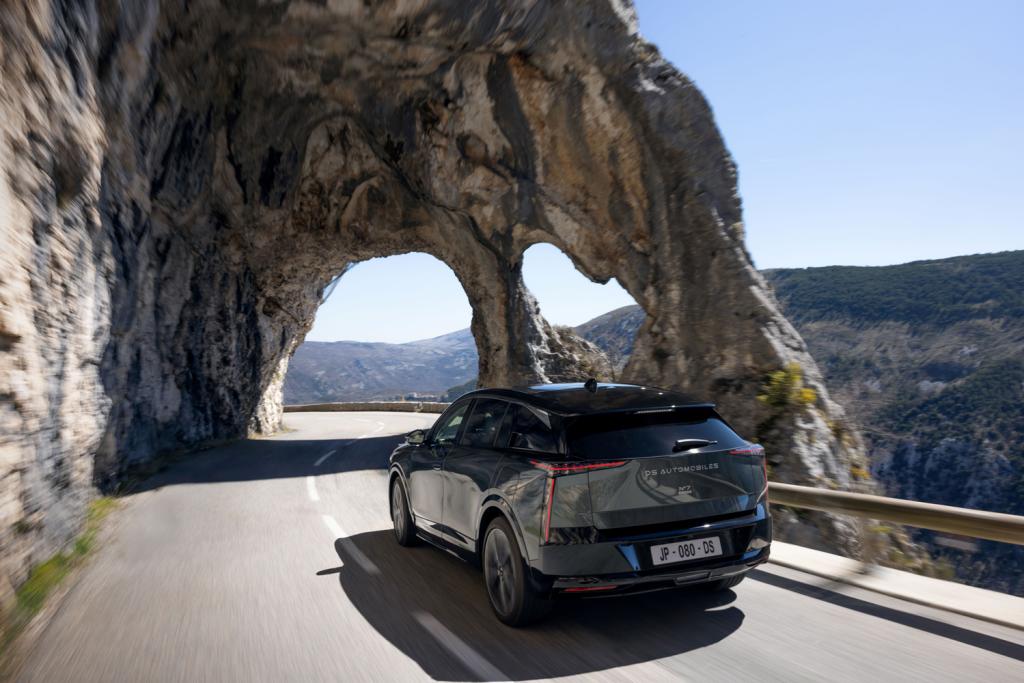
I thought the No7 E-Tense FWD Long Range model I drove ticked a lot of the right boxes, with decent performance, respectable range and high levels of comfort all adding value to the purchase price.
While DS remains a bit of a niche brand, it’s commendable that the company does its best to stand out from the crowd. Not only that; the DS No7 packs a really neat persona, which aficionados of the brand will find hard to resist. What’s more, the two-wheel drive model in this format will more than meet the needs of most folks. Anyone wanting a little more grip might prefer to head for the AWD edition.
Scroll to see more →
| Specifications | DS No7 E-Tense |
|---|---|
| Powertrain | Permanent magnet electric motor |
| Battery | 97.2kWh |
| Power | 245bhp |
| Torque | 343Nm |
| 0-62mph | 7.7sec |
| Top speed | 118mph |
| Range | 460 miles |
| Maximum charge rate | 160kWh |
| Cargo volume | 560 litres |




Read the full article here


