






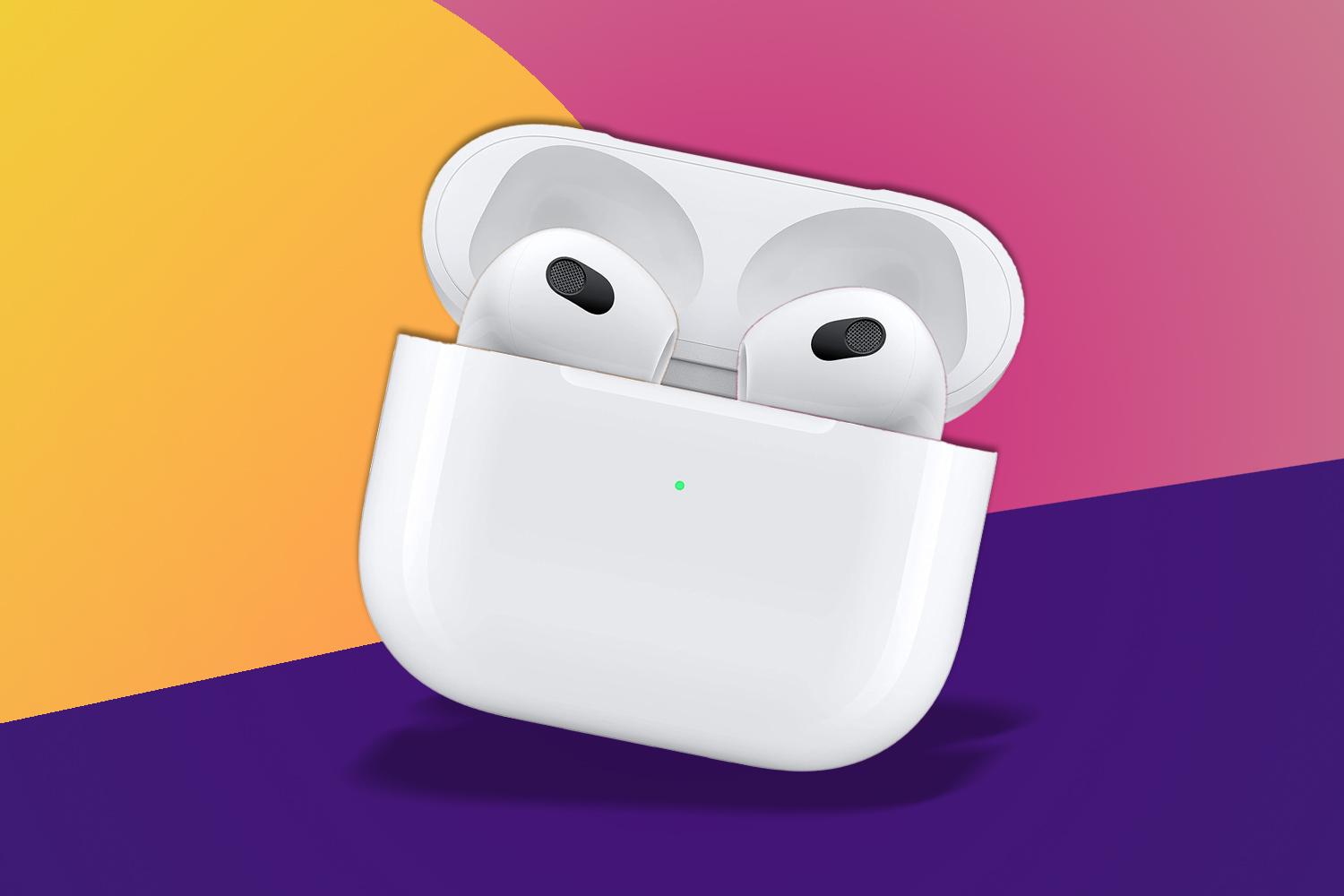
Apple’s AirPods make for some of the best headphones money can buy, especially if you’re all-in on the Apple ecosystem. But would rumours of AirPods with a camera be a step too far?
It sounds absurd, but there appears to be some logic behind the speculation. Over the past few years, Apple has patented earbuds with outward-facing image sensors, with numerous analysts reporting that the company is actively exploring the tech, even going as far as making prototype hardware – though a proper launch date remains completely up in the air.
And before you grab the Privacy Pitchforks (no judgement by the way, I think pitchforks are a vital part of society), it’s worth clarifying that the rumours aren’t suggesting the inclusion of cameras in the traditional sense. Instead, the evidence suggests that Apple is far more interested in giving AirPods the ability to understand the world around you, helping power future Apple Intelligence features, improve spatial audio and work alongside future mixed reality devices.
With that said, is Apple actually working on AirPods with a camera? Based on everything that’s publicly available today, the answer appears to be that Apple is at least (almost certainly) exploring the idea, even if a commercial product is still years away.
Here’s everything we know so far…
Apple AirPods with a camera: the rumours begin

Rumours about camera-equipped AirPods first appeared on our radar in 2024, when reliable analyst Ming-Chi Kuo claimed on a Medium post that Apple was planning a future version of AirPods fitted with infrared camera modules. According to Kuo, the sensors wouldn’t be designed for photography. Instead, they would work alongside products such as Apple’s Vision Pro to create richer spatial audio experiences, while potentially recognising hand gestures in the process.
Since then, Bloomberg’s Mark Gurman has added further weight to the speculation, suggesting that Apple has been testing prototype AirPods featuring low-resolution outward-facing cameras, with the sensors intended to provide visual information for Siri AI and Apple Intelligence rather than capture images for users. More recently, Gurman reported that Apple’s target had slipped to late 2027 as the company continued refining its AI ambitions. These reports don’t guarantee the product will ever reach shelves, of course, but together they paint, at the very least, a slightly consistent picture.
Apple’s own patent filings add fuel to the rumour mill flames. One of the company’s most notable patents describes an ear-mounted device featuring a speaker, along with an outward-facing image sensor capable of analysing the wearer’s surroundings, and generating audio based on what it detects. The filing even discusses multiple cameras and depth sensing, making it far more detailed than the kind of broad, defensive patents Apple routinely files.
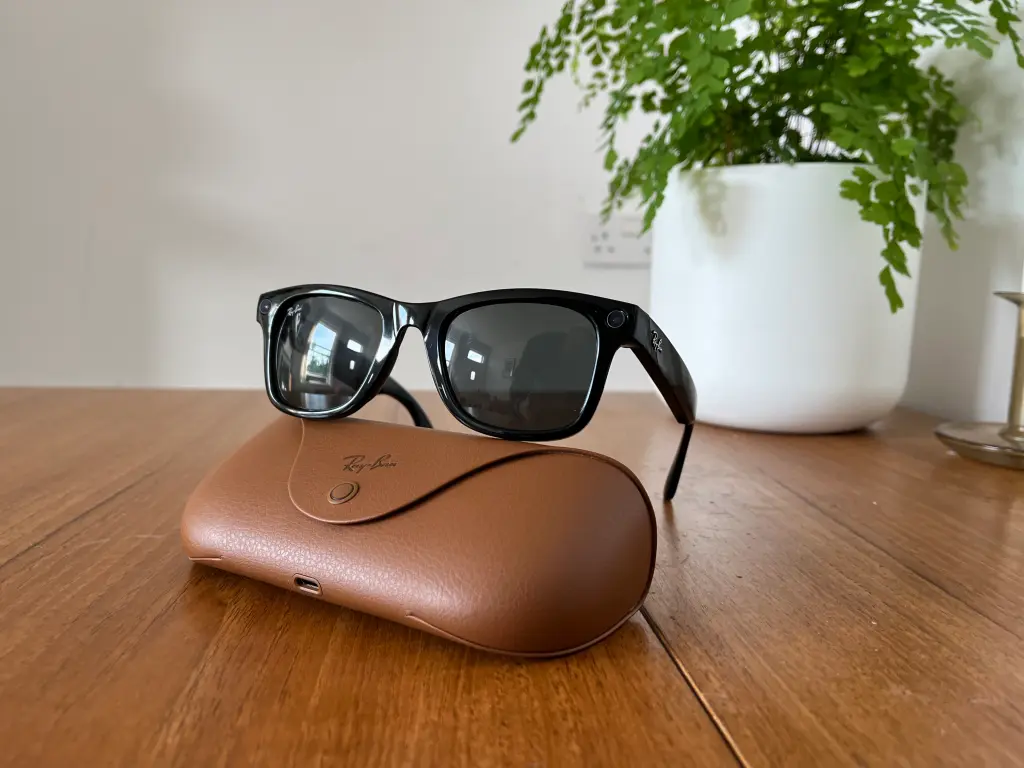
Of course, patents alone never guarantee a product will exist. Apple files hundreds every year, many of which never become real devices. But when those filings begin lining up with analyst reports, it’s easier to see why speculation around camera-equipped AirPods has continued to grow – especially when you have camera-equipped smart glasses like the Ray-Ban Meta (pictured above) already carrying out similar visual information tasks, powered by AI. On that note…
Why would Apple put cameras in AirPods?

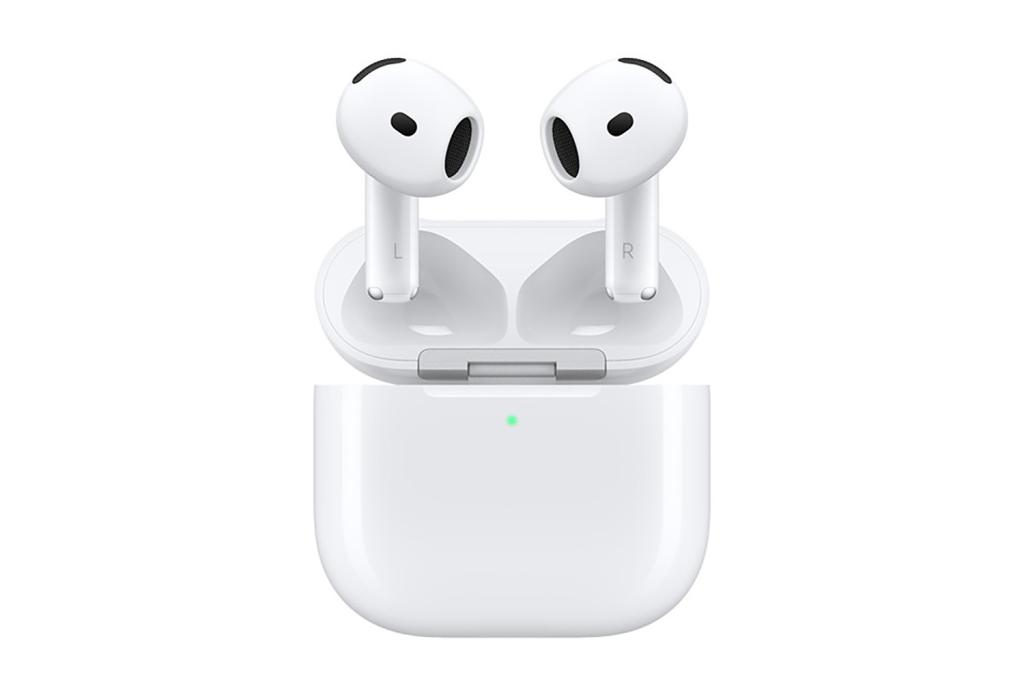
You can very likely dismiss all concerns about privacy and spies using their AirPods to gather covert info. Instead, everything we’ve seen points towards environmental sensing rather than photography – think of the cameras as another set of eyes for Apple Intelligence, helping your AirPods understand what you’re looking at without needing to constantly pull your iPhone out of your pocket. Just like Meta’s smart glasses, in fact.
Users that need assistance with their vision could, for example, ask Siri what building they’re standing in front of. Elsewhere, concerned dog owners could ask their camera-toting AirPods to identify what mysterious plant their greedy lab just demolished. In short, Siri could understand both what you’ve said and what you’re looking at, without ever having to reach for your iPhone again.
Apple’s patent filings hint at similar possibilities. They describe generating audio cues based on objects around the wearer, potentially highlighting hazards outside your field of vision or directing your attention towards important sounds. That could also make AirPods significantly more useful for accessibility, while the tech could also strengthen Apple’s wider spatial computing strategy.
Kuo has previously suggested that camera-equipped AirPods could work alongside the Vision Pro headset by adjusting spatial audio depending on where you’re looking, making virtual objects feel even more convincingly anchored within your surroundings. If Apple eventually releases lighter AR glasses, intelligent AirPods could become another piece of that ecosystem.
How could camera AirPods actually work?

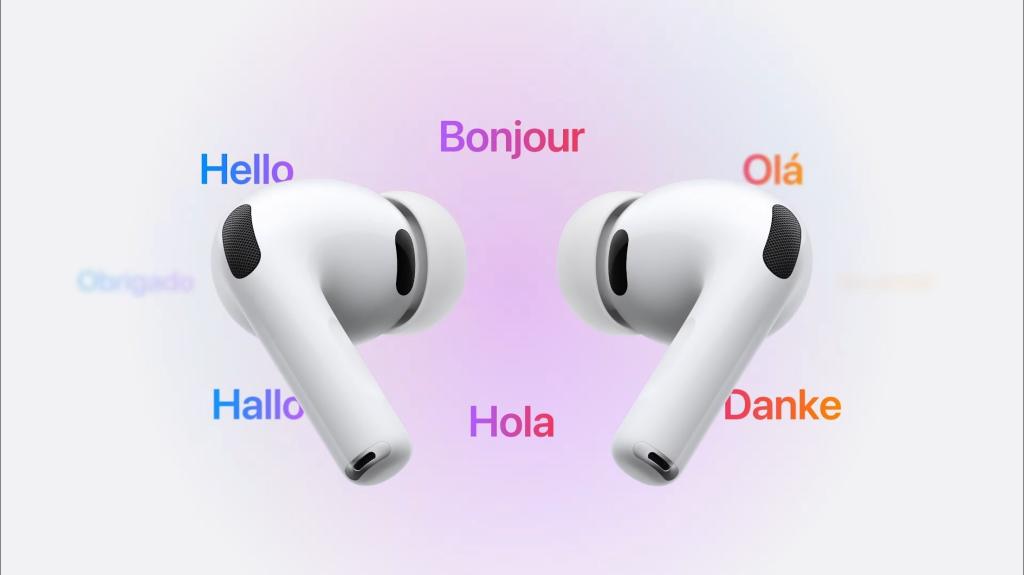
Even if Apple is developing the technology, squeezing camera hardware into something as small as a single AirPod presents an enormous engineering challenge.
Current AirPods already pack speakers, microphones, batteries, wireless radios, noise-cancelling hardware and advanced processors into an incredibly compact design. Adding full camera systems would increase power consumption, generate more heat and take up valuable internal space – all while users still expect lightweight earbuds that last for hours on a single charge.
That’s one reason the rumours consistently point towards relatively simple imaging hardware rather than miniature iPhone cameras.
Kuo specifically described infrared camera modules similar to those used for Face ID, while Gurman’s reporting suggests low-resolution outward-facing sensors designed to recognise objects and environments, instead of snapping traditional photos. Apple’s patent filings also reinforce that idea by focusing on scene analysis and environmental awareness, rather than image quality.
In practice, that could mean that the camera AirPods only capture small amounts of visual information when needed. Instead of constantly recording everything around you, they might briefly analyse the scene after you ask Siri a question, detect gestures to control playback, or identify nearby objects before deleting the imagery once it has been processed.
That approach would not only help preserve battery life, but could also go some way towards addressing the obvious privacy concerns surrounding wearable cameras.
Apple AirPods with camera release date
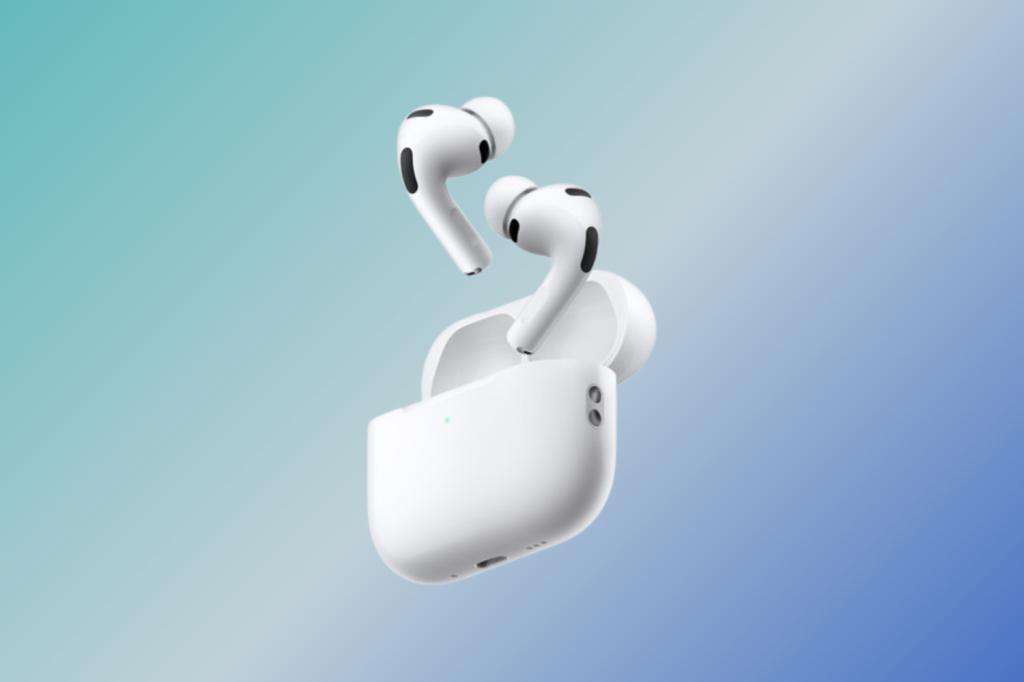
If Apple is actually working on camera-equipped AirPods, don’t expect to see them any time soon.
The first significant timeline came from Ming-Chi Kuo in mid-2024, when he suggested Apple was aiming to begin mass production in 2026. At the time, he said Foxconn would manufacture the infrared camera modules and claimed Apple was planning production capacity equivalent to around 10 million pairs of AirPods.
Since then, however, the expected launch window appears to have slipped. According to Gurman, Apple has been testing prototype hardware internally, but the company is now reportedly targeting a release towards the end of 2027 instead. That delay would fit with Apple’s broader AI roadmap, which has already seen the company postpone its next-generation Siri while it rebuilds the assistant around Apple Intelligence.
There have also been conflicting rumours. In July 2026, leaker Kosutami claimed Apple had suspended development altogether. However, that report currently carries significantly less weight than Bloomberg’s reporting or Kuo’s long-running supply chain analysis, so it’s probably best treated as an interesting possibility, rather than evidence the project has been cancelled.
Could AirPods with a camera become a privacy nightmare?
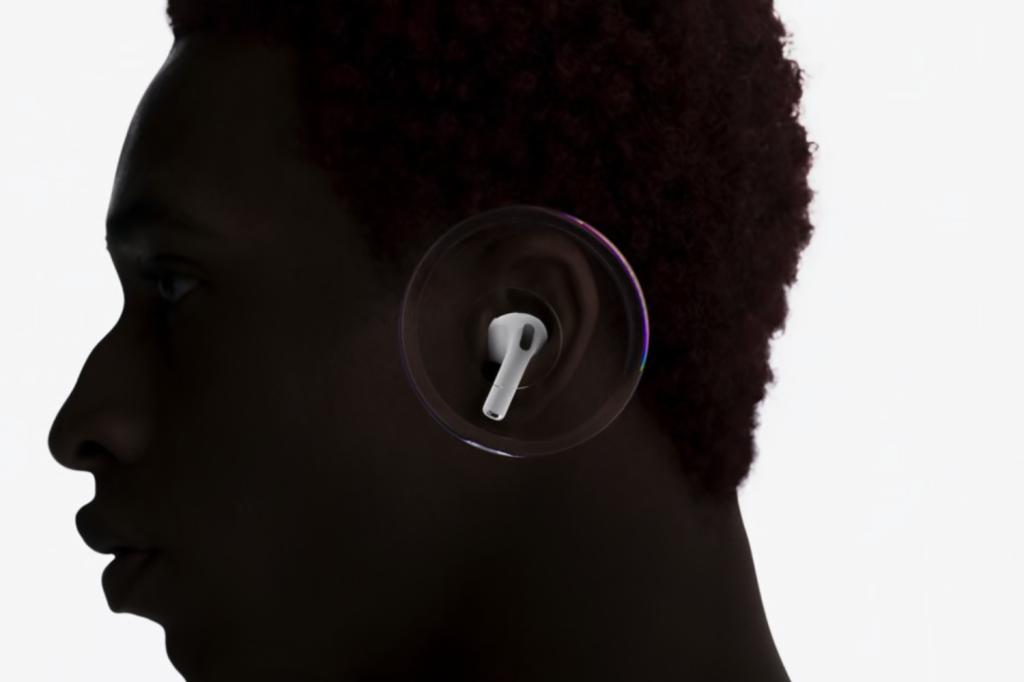
Even if Apple can solve the engineering challenges, it still has another obstacle to overcome – convincing everyone that the idea isn’t creepy – especially with the social stigma already associated with camera-toting smart glasses.
AirPods, in fact, could present a different challenge. Because they’re so small and discreet, many people might not even realise they contain outward-facing sensors, raising understandable concerns about where they’re being used, and what information they’re collecting.
Apple, naturally, is likely to be aware of those concerns – according to Bloomberg’s reporting, one prototype feature includes an LED indicator that lights up whenever visual data is sent to the cloud. Combined with Apple’s wider focus on on-device processing and Private Cloud Compute, that suggests the company is already thinking carefully about how these products could handle personal data if they ever reach the market. This is similar to the white LED that remains on whenever the camera is in use on the Meta Ray-Ban glasses.
All that aside, everything we’ve seen so far suggests that these sensors won’t function like conventional cameras – though whether that’s enough to reassure potential buyers is another question entirely. If anyone can, though, it’s Apple.
That’s all we know for now, but we’ll be updating this feature with new info as and when it comes in, so stay tuned.




Read the full article here


