





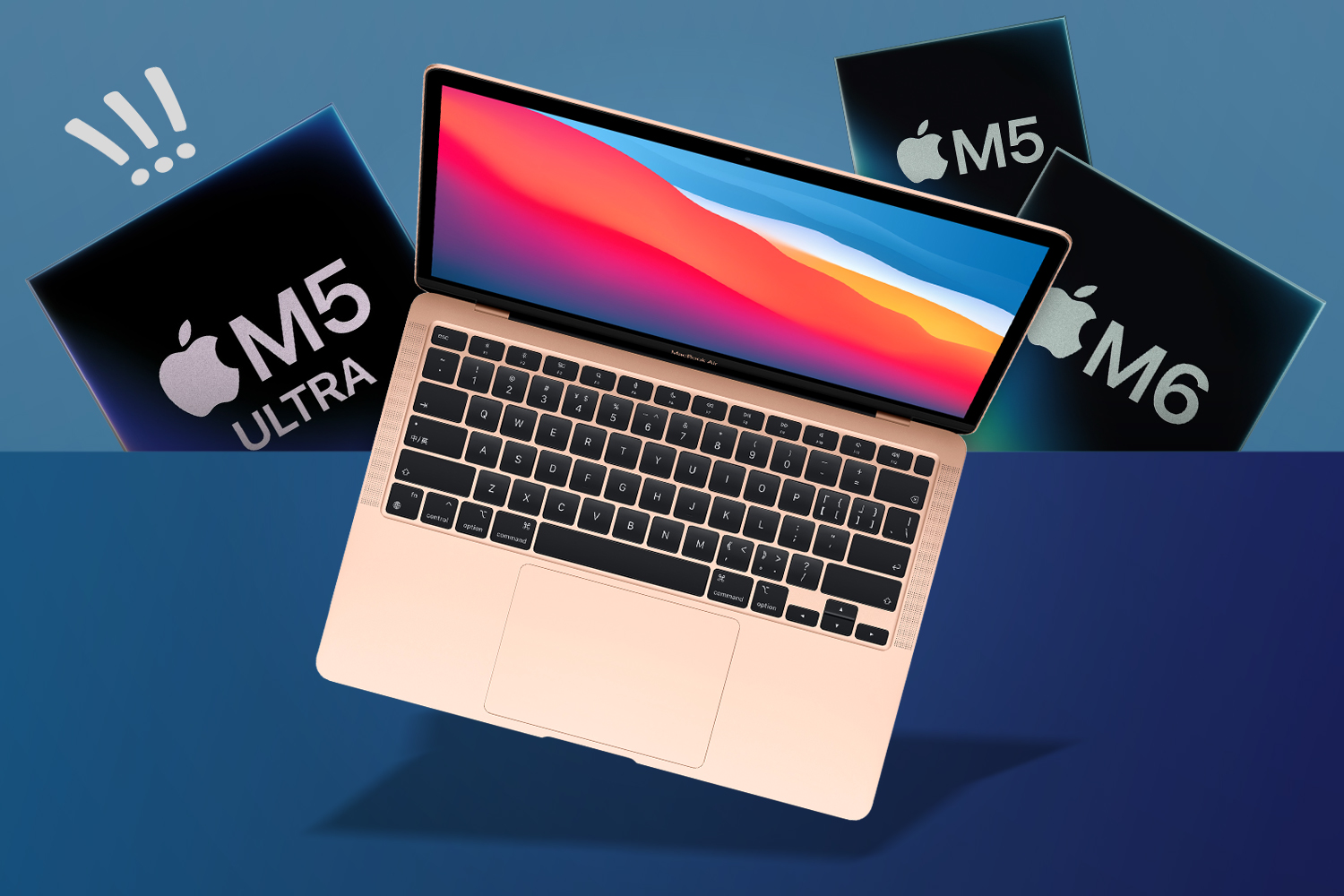
Remember when the rumour mill cranked up in earnest about Apple Silicon? Although Apple Silicon had long nestled inside of iPhones and iPads, this was different, because Cupertino was about to give Intel its marching orders.
Apple commentators narrowed their eyes at leaked numbers from upcoming Apple laptops and desktops, pulling expressions of deep scepticism to the degree they experienced severe muscle strain. Yet when they finally got their hands on those early Apple M1 Macs, their eyes popped out so far that it was all they could do to stop them trundling off on a little adventure of their own.
I was one such pair of eyes – and other assorted body parts – working on a big MacBooks roundup for some publication or other. I don’t remember which one. What I do remember was sitting with Apple’s flagship, giant-sized Intel MacBook Pro and a shiny new MacBook Air with M1. The latter cost a fraction of the former, yet trounced it in a bunch of tests – all while remaining silent. By contrast, the Pro often struggled to keep up and frequently did a pretty authentic impression of a jet engine.
The M1 Air felt like wizardry. I wondered if tiny clones of Tim Cook were cycling away in frenzied fashion inside that MacBook Air, helping boost the power of the chip to take on the might of Intel. Nope. Apple had drawn on years of making hugely efficient and increasingly powerful silicon for mobile gear, directed that effort into Mac equivalents, and then got to sit grinning while a chunk of the industry and tech press had to eat humble pie until their stomachs and egos begged for mercy.
All of which was quite a surprise – as is the fact that M1 Macs aren’t a bad buy today.
Still Airing

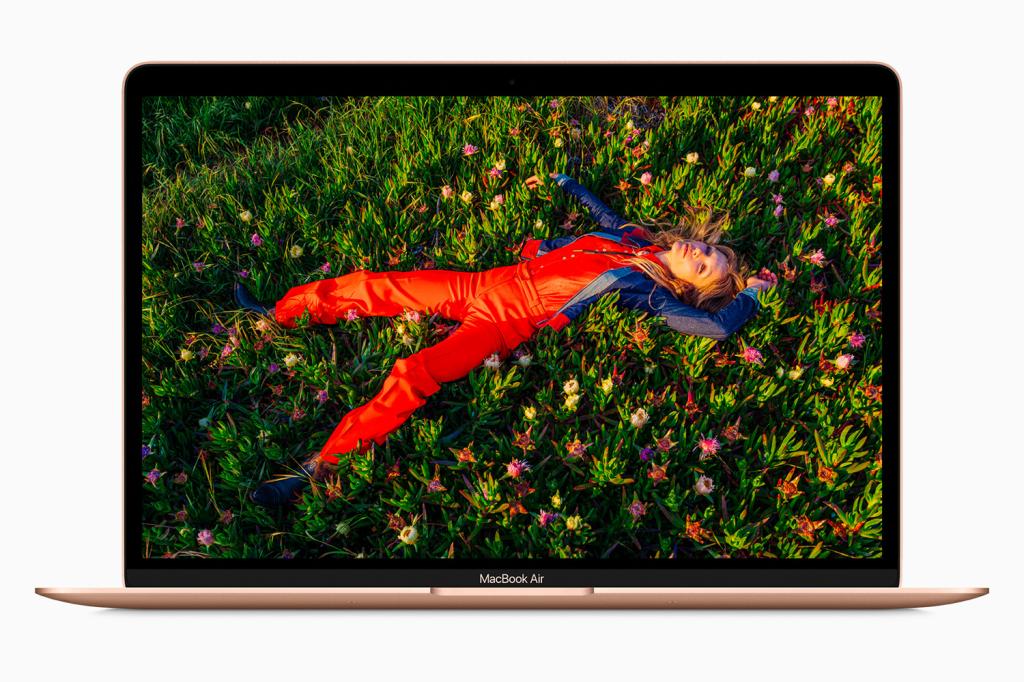
Naturally, that previous sentence requires a big caveat – skyscraper high with a glowing neon surround – because a six-year-old M1 Mac won’t be the right Mac for everyone. Possibly not you. But it might be. And I know that because I still use one.
In fact, in an admission that will have folks at Apple feeling smug, my still using this Mac challenges a long-standing grumble about the baseline spec. My old M1 MacBook Air has 8GB RAM and 256GB storage. The former, I thought, would be the bottleneck. Really, the on-board storage has been the bigger issue, becoming a squeeze and needing more management as apps balloon. But the RAM and power? Mostly fine for what the average person does – which is to say not rendering an entire Pixar movie during lunch.
The M1 can still run my email, calendar and text editors. It’s solid for the odd session on Korg Gadget when I pretend there’s still time for me to release a hit album. It’ll even run Parallels Desktop when I venture into the murky world of Windows.
Apple might feel less smug that I’m saying such nice things about ageing hardware. With the release of its M5 Macs, the company made many direct comparisons that inferred you should upgrade. Now. I don’t have numbers on hand, but there was probably something about the M5 being eleventy billion times more powerful than the M1.
But most computers – even your smartphone – have more power than you’ll ever need. And in a world suffering RAMageddon pricing, it’s great to think you can keep using an old M1 – or buy second-hand – and it’ll still do the job.




Read the full article here


