

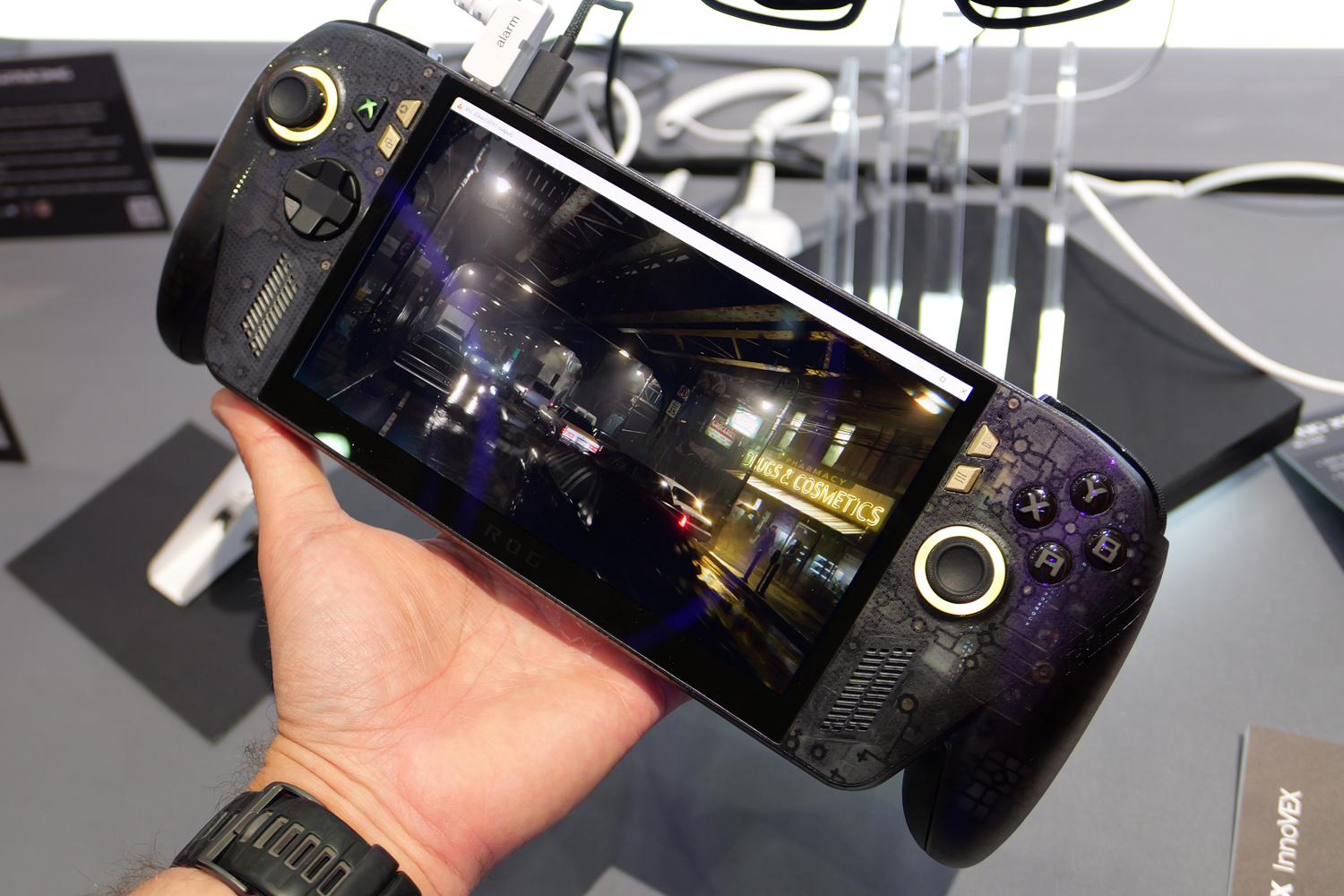
The ROG Ally X20 was one of the best kept secrets of this year’s Computex show. Maybe it was because Intel had announced announced a slew of G3 Extreme-powered gaming handhelds a day earlier, but an updated version of the Asus-built, Xbox-badged gaming handheld that only arrived six months ago wasn’t on my bingo card.
Officially revealed at ROG’s press conference as the ‘one more thing’ following a procession of special edition computer components (launched to mark the gaming division’s 20th anniversary), the Xbox ROG Ally X20 seemed to address every pain point I had with the Xbox ROG Ally X. The behind-the-times LCD screen? Ditched in favour of a thoroughly modern OLED. Ageing analog tech and a mushy D-Pad? Swapped for more modern equivalents. Roasty toasty AMD hardware? Tamed with a better cooling system.
After getting my hands on one, it was clear Asus had been listening to customer feedback – but I was baffled by the decision to only sell the new handheld as part of a bundle with the ROG XREAL augmented reality glasses.
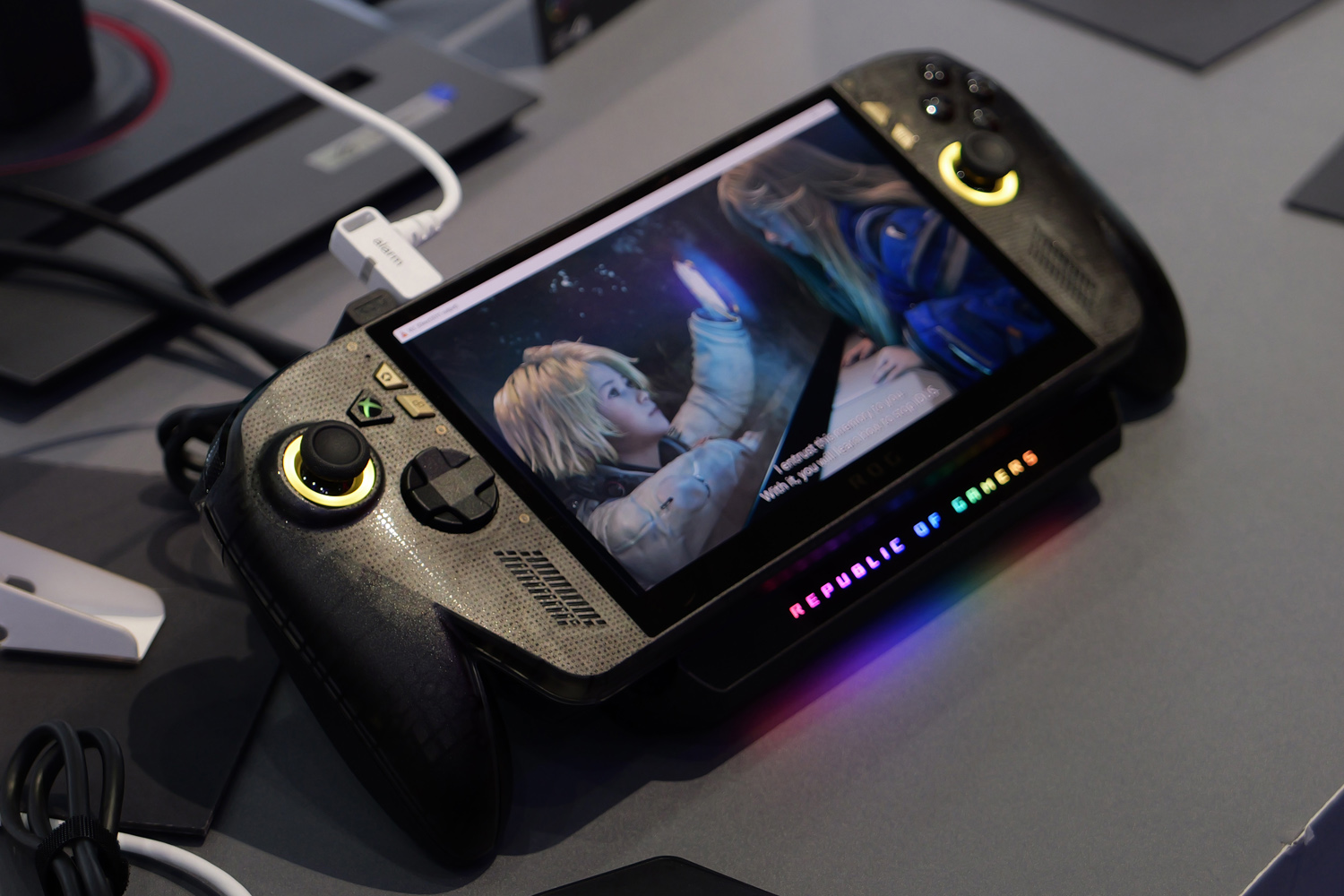
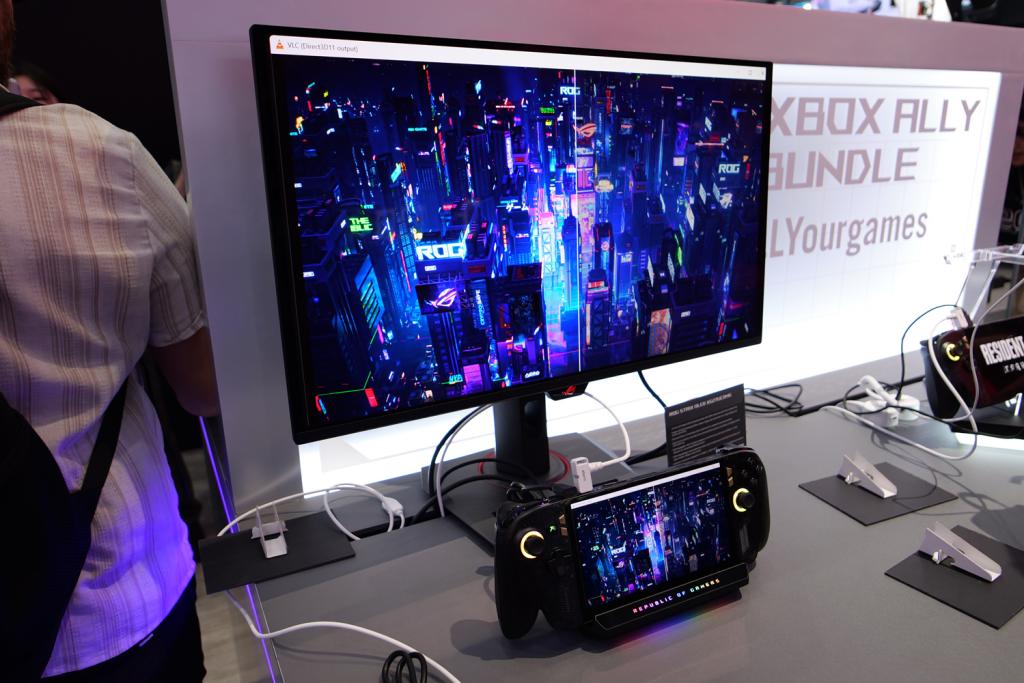
The new model instantly stands out from the old one thanks to a translucent case that lets you peek in at the internal hardware. Doubly so for the shortcut keys, which are now in a contrasting gold colour. The Xbox button lights up green now too.
Up top you get the same pair of USB ports – one USB4, one USB 3.2 – along with a fingerprint-sensing power button, 3.5mm headphone port and MicroSD slot. Only the card reader now also supports faster MicroSD Express, for speedier file reads. That could make a big difference when running games off removable storage rather than the internal SSD.
Overall dimensions haven’t really changed, so it keeps the chunky Xbox-like grips at either side of the display, but they now come wrapped in a grippier rubberised plastic. The screen itself is now a 7.4in OLED that’s very easy on the eye.
While not nearly as big as incoming 8in rivals like the Asus Predator Atlas 8, the new panel fills much more of the front of the device, slimming down the bezels – which I thought were very chunky on the Xbox ROG Ally X. Asus has been realistic with resolution, sticking to a 1080p panel rather than a 1200p one to directly compete with the Lenovo Legion Go 2; the extra pixels really do ask too much of the hardware, which is a lot more comfortable running games at 1080p.
The panel is a beauty, with AMD FreeSync Premium Pro variable refresh down to 30Hz for smooth gaming even when the chipset is at its limit. Peak brightness is a strong 1400 nits and it’s HDR 1000 certified, putting even the Steam Deck OLED on notice. Even under the harsh lights of the Asus Computex booth, the display was wonderfully clear and with very vibrant colours.
The Ally X20’s internals haven’t changed from the Xbox ROG Ally X, meaning you still get a Ryzen AI Z2 Extreme chipset, 24GB of RAM and 1TB of SSD storage, along with an 80Whr battery to power it all. With four cooling vents rather than three temperatures should be easier to maintain without sending the internal fans into hurricane mode. Frustratingly I couldn’t confirm that as all of Asus’ demo units were running a looping video demo reel, with no opportunities to play any games.
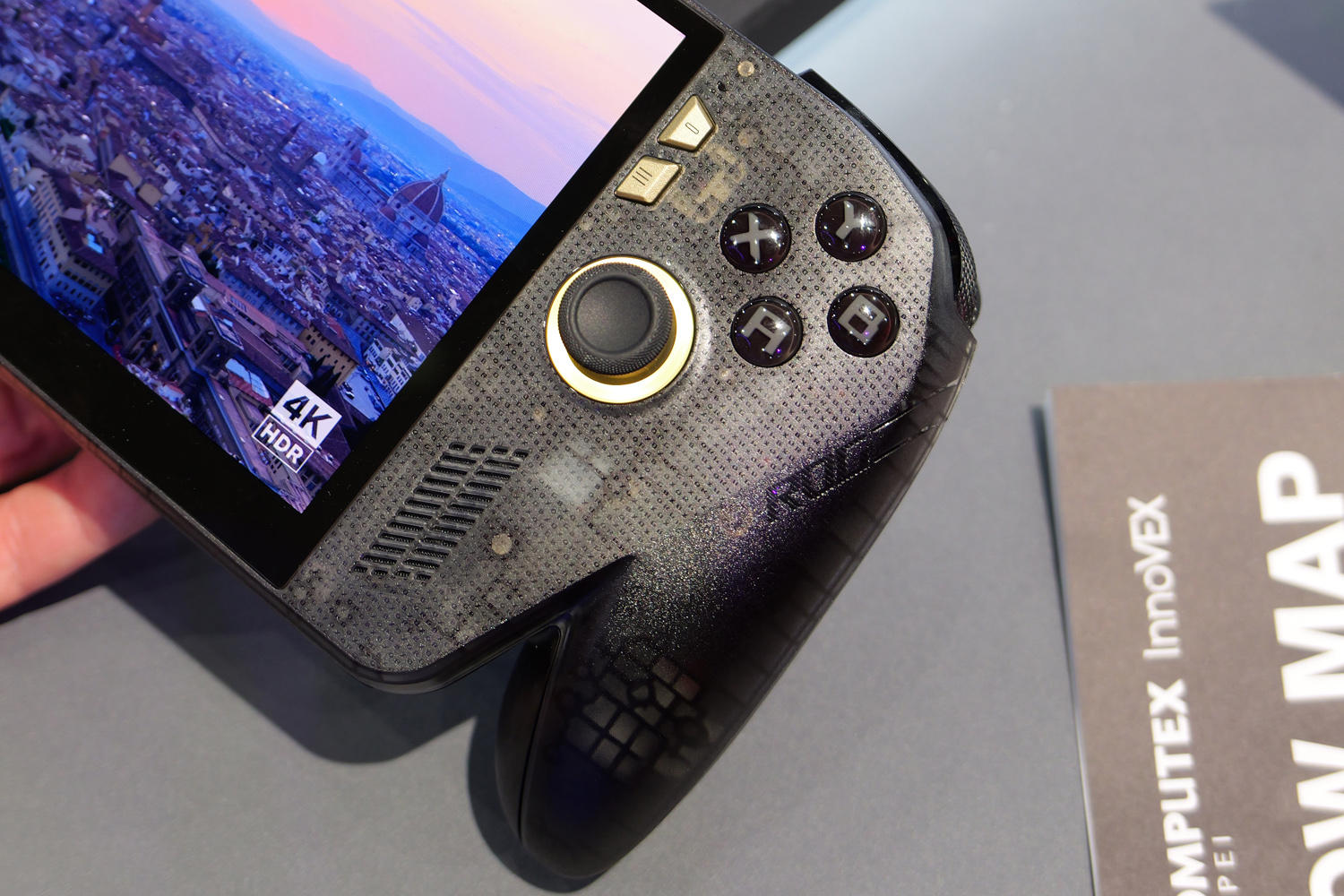
I could still get a feel for the revised analog sticks, which use TMR tech for maximum precision and zero chance of stick drift over time, and test out the D-Pad, which can now be pulled up to switch between four-way and 8-way directions depending on if you’re playing platformers or fighting games. It’s a massive improvement over the old model, which I felt lacked a bit of precision.
The face buttons have also been tweaked, with a more rounded profile that’s a better match for the ABXY buttons on an Xbox controller. They make rolling your thumb between buttons so much easier than before. I noticed a smaller difference in the bumpers and triggers, which have been relocated ever-so-slightly.
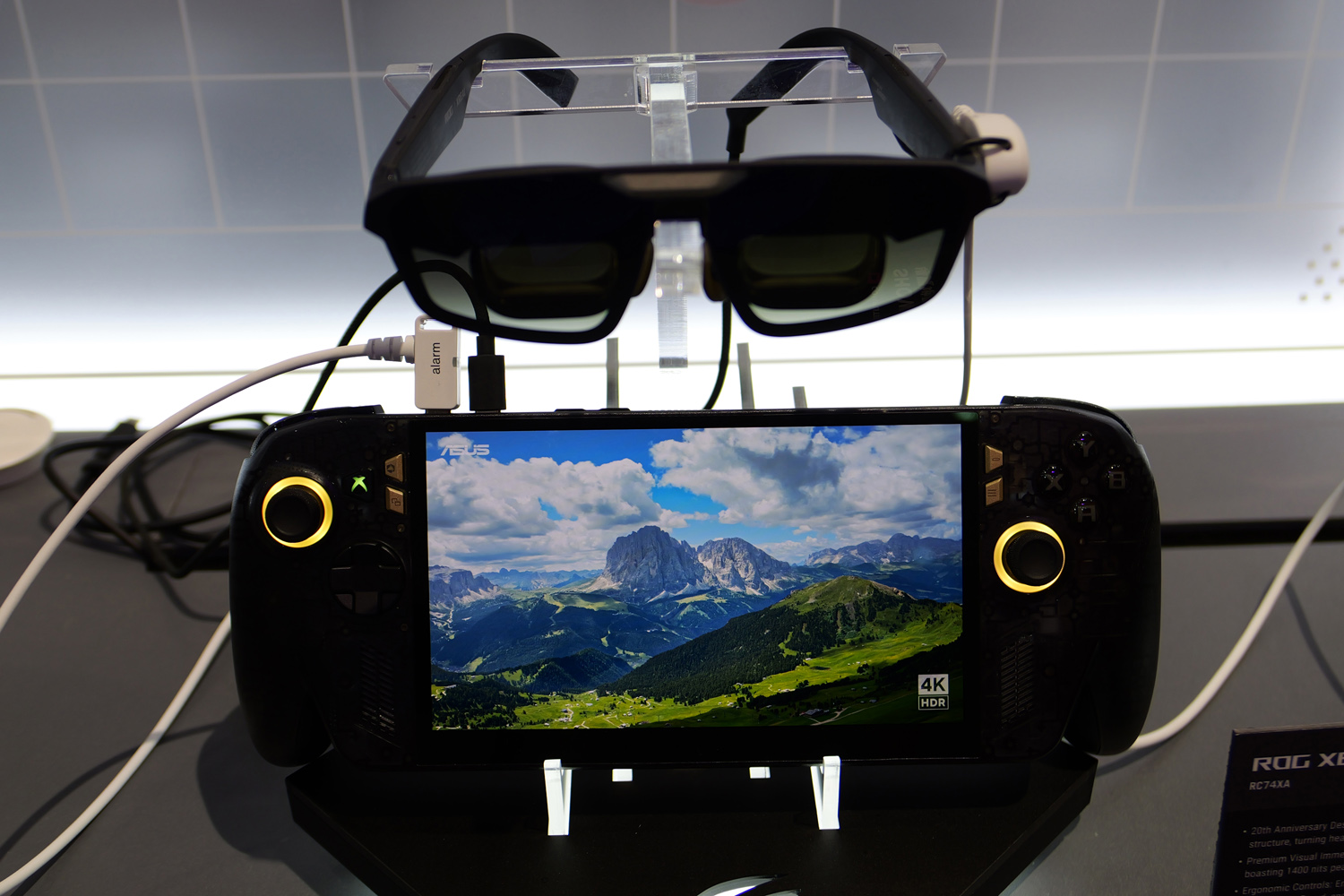
Asus’ focus seemed very much on the glasses, which are a collab with AR experts XREAL. The special edition R1 gets matching gold branding to the console itself, plugging in over USB-C to give you the equivalent of a 120in screen right in front of your face. You can adjust screen size and transparency through Asus’ Armory Crate software rather than reach for the buttons on the arms of the glasses themselves.
Honestly though, I’m not sold. The micro OLED displays might create a sharp, vivid picture, but the glasses were heavy and not especially comfortable. Maybe my first impressions would’ve been more positive if I’d have been lounging on a sofa rather than stood shoulder-to-shoulder with other tech press, and in a room much darker than the Taipei Nangang Exhibition Center. I couldn’t see myself spending the $849 Asus and Xreal want for a pair on their lonesome, so being told it’s the only way to ROG Ally X20 ownership stings a bit.
With more information promised at Gamescom in August, a retail release clearly isn’t just around the corner. Perhaps Asus knows the cost of RAM and SSDs – massively inflated because of demand from the burgeoning AI industry – is unlikely to drop any time soon, and a bundle is the only way to make the Ally X20’s price look remotely palatable. As it stands, I’m fully expecting the pair to come in at $2000.
That almost – almost – looks respectable compared to the Lenovo Legion Go 2, which asks that much for the handheld alone. But it’s still way more than the vanilla Xbox ROG Ally X costs.
Hopefully the firm changes its mind and sells the handheld solo once the memory crisis ends.


Read the full article here
