



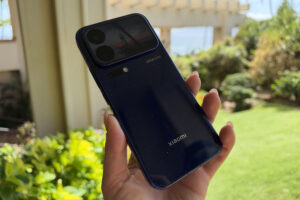



Apple’s iPhone 18 Pro and 18 Pro Max have only been around for a couple of weeks, but no phone stays in the spotlight for long. Hot on the heels of Apple’s announcement of its latest flagship phones, both of which run on the company’s A20 Pro processor built on a 2-nanometre process, Xiaomi revealed the 18 Pro and 18 Pro Max. Yes, same name, and no, nobody seems embarrassed. They are the first smartphones to run on Qualcomm’s new Snapdragon processors, which also switch to a 2-nanometre process because nanometres are apparently the new megapixels in the smartphone oneupmanship.
The Snapdragon 8 Elite Gen 6 and Snapdragon 8 Elite Gen 6 Extreme (the latter of which sounds more like an energy drink than a chipset) will arrive in Android phones later this year, including the Motorola Signature 27 and the Honor Magic 9 Pro Max, bringing a number of upgrades, including real-time AI photo processing, faster graphics and faster on-device AI.
But Xiaomi has elbowed its way to the front of the queue, announcing the Xiaomi 18 Pro and 18 Pro Max in China hours after Qualcomm revealed the new Snapdragon chips. Unlike the Xiaomi 17 Pro models, though, they will launch globally, and they have a couple of cracking tricks up their sleeve. I got a first look at Qualcomm’s Snapdragon Summit, and me and my iPhone 18 Pro Max now have phone envy.
Privacy screen
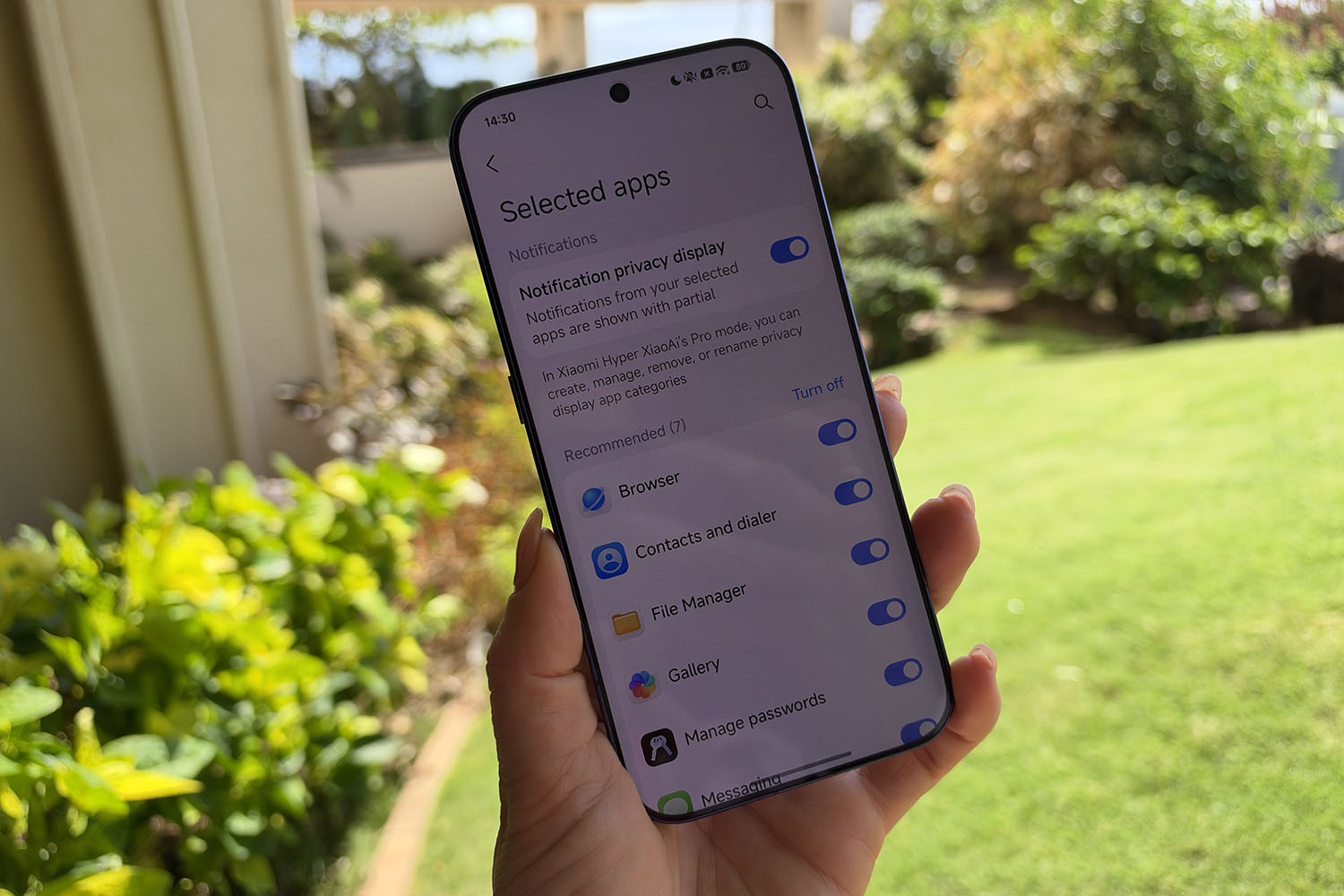
When Samsung introduced the Privacy Display to the Samsung Galaxy S26 Ultra, it was a big deal. It was the first smartphone to have a privacy display built into the screen itself, so you could ditch those grim screen protectors that make your phone screen look like a steamy shower screen. When on, any nosy neighbour trying to look at your screen over your shoulder can’t see a thing from an angle, though it does dim the main display for the main user and drain the battery, so your secrets come at a price.
Xiaomi is following in Samsung’s footsteps, but it’s not only offering it on both its flagship phones (the 18 Pro and 18 Pro Max), it also uses a different technology that doesn’t hobble the performance of the normal display when in use. You don’t get quite the same level of privacy when viewing from an angle as you do with Samsung, but it is more versatile overall, allowing you to set locations for the privacy screen to turn on automatically, choose which apps will trigger it, and use it in split screen so you can make one app private but not another.
As for my Apple iPhone 18 Pro Max, I guess I’ll stick with a privacy screen protector. Sad times.
Rear display
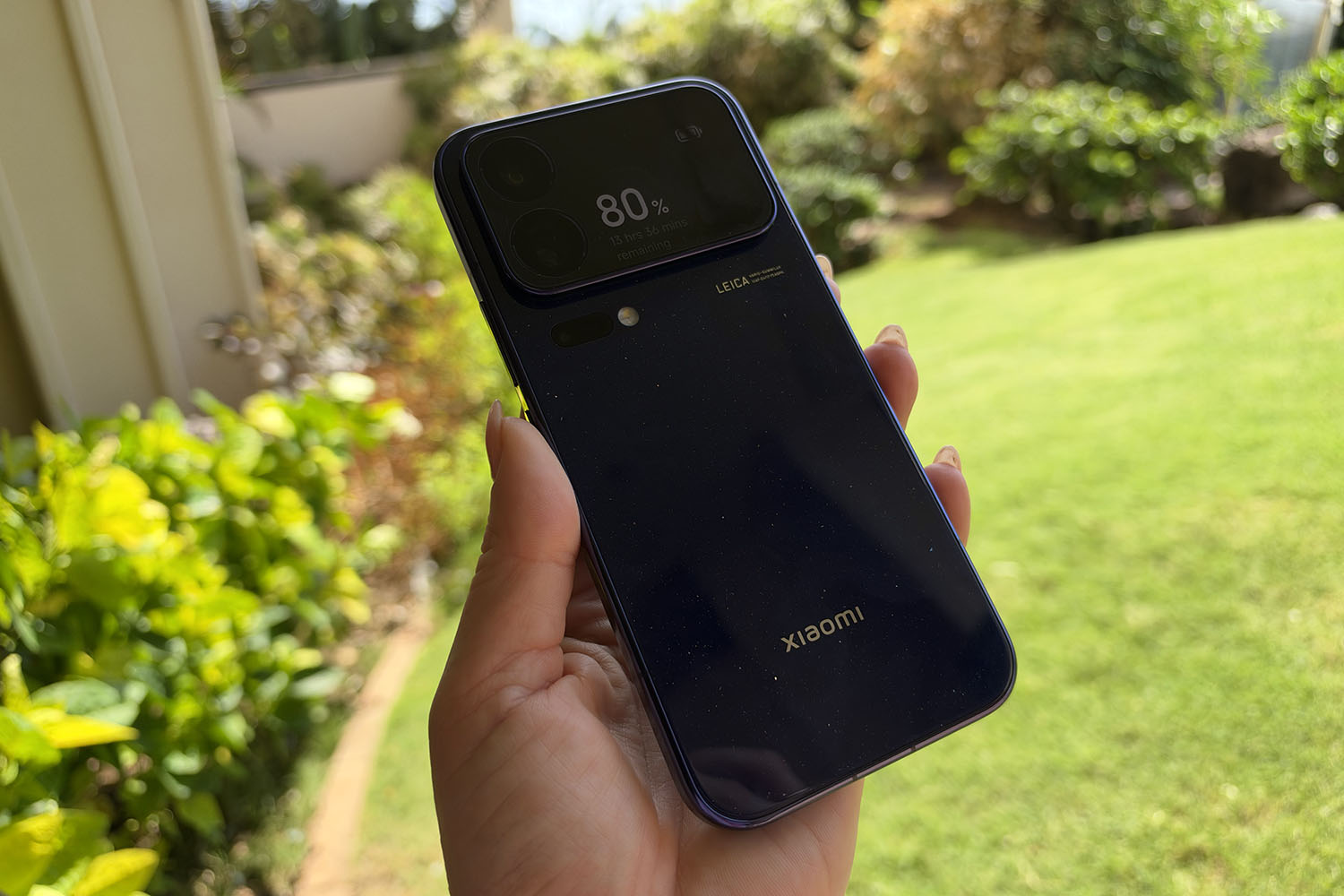
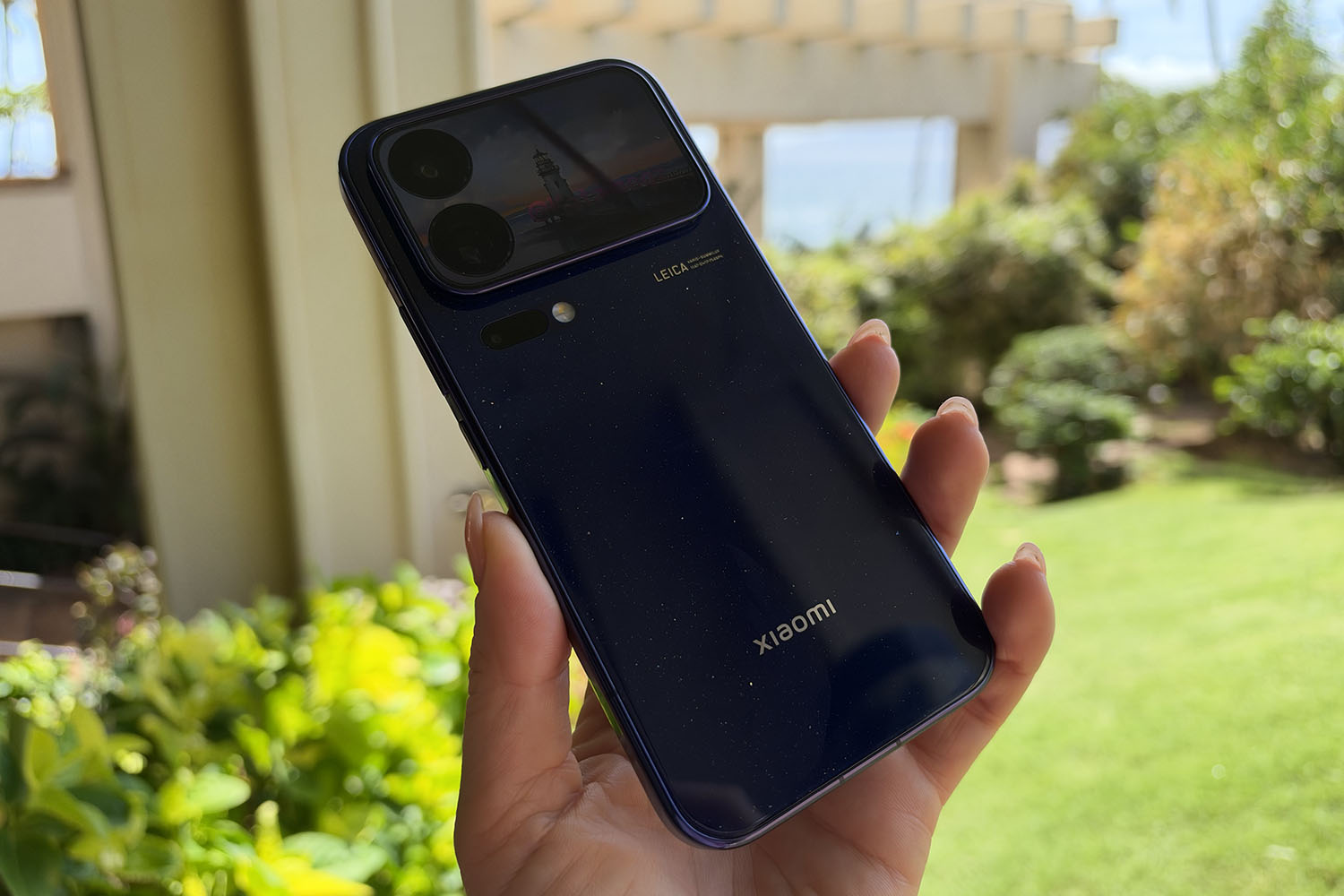
When Apple redesigned its iPhone Pro models last year, it introduced a larger section spanning the back of the phone to house the rear camera system and other elements. The Xiaomi 18 Pro and 18 Pro Max both have a similar rear design, but they put that section to work. The Chinese company first introduced the rear display with the Xiaomi 17 Pro models, but those never escaped China, while the 18 Pro models will see a global launch.
You only get two rear camera lenses, unlike the iPhone 18 Pro models, which have three, but in exchange, you get a rear display that shows everything from upcoming calendar events to notifications, incoming calls and remaining battery percentage. You can also use it as a camera viewfinder, bringing some of the perks of a folding phone without the bulk. I almost always have my iPhone 18 Pro face down on a table, so I’d really appreciate the secondary screen that could tell me what was going on without me having to pick it up and be tempted into doomscrolling for the next iPhone.
On the Xiaomi 18 Pro models, the external display has a 976 x 596 resolution. It’s lovely and punchy (I was able to see it in direct sunshine without squinting like a disgruntled mole), and it measures 2.9 inches, making the rear of the phone much more appealing with cute animations or helpful information. I love Dyanmic Island on the iPhone but if it could move to the rear of the phone too, I’d be thrilled.
Huge battery
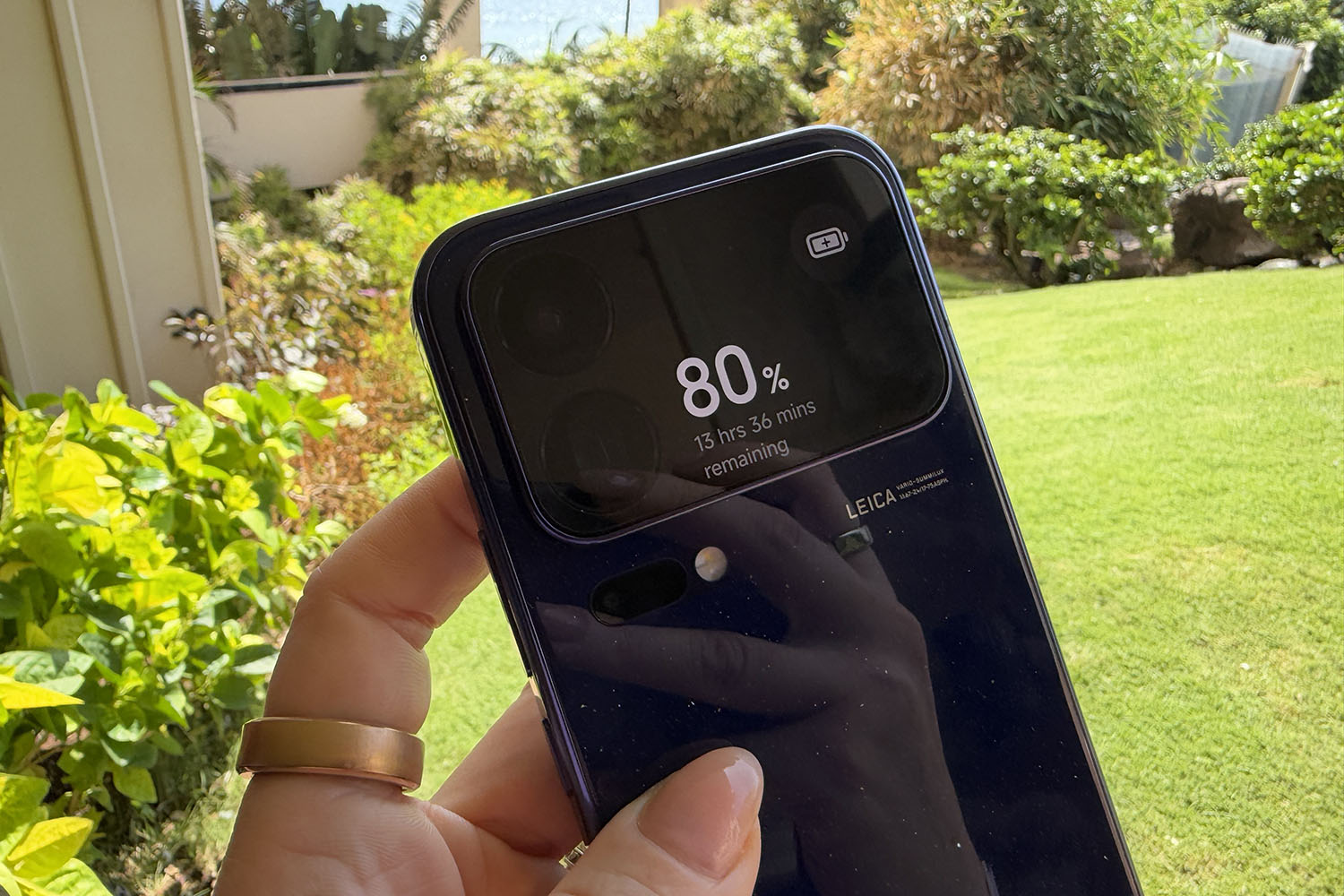
Alongside the new Snapdragon 8 Elite Gen 6 Extreme processor, which brings its own bag of tricks, including more efficient on-device AI, as I mentioned, the Xiaomi 18 Pro Max has an 8,500mAh battery. That’s huge and almost double the capacity of my iPhone 18 Pro Max (around 5,300mAh).
Now, don’t get me wrong, my iPhone 18 Pro Max gets me through a day and evening without me reaching for a cable, but the Xiaomi 18 Pro Max should see me well into the next day, possibly even into the evening of that second day, with the new Snapdragon chip’s promised efficiency likely to help. There’s also faster charging here than on the iPhone 18 Pro Max, which this year tops out at 60W. Xiaomi, meanwhile, is offering up to 100W.
The Apple iPhone 18 Pro Max is still a cracking phone, but the Xiaomi 18 Pro Max is about to turn up to party with the same name and a couple of more interesting features.
Read more: This is the fastest mobile chip ever – will it be inside your next phone?




Read the full article here


