



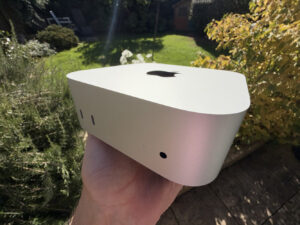


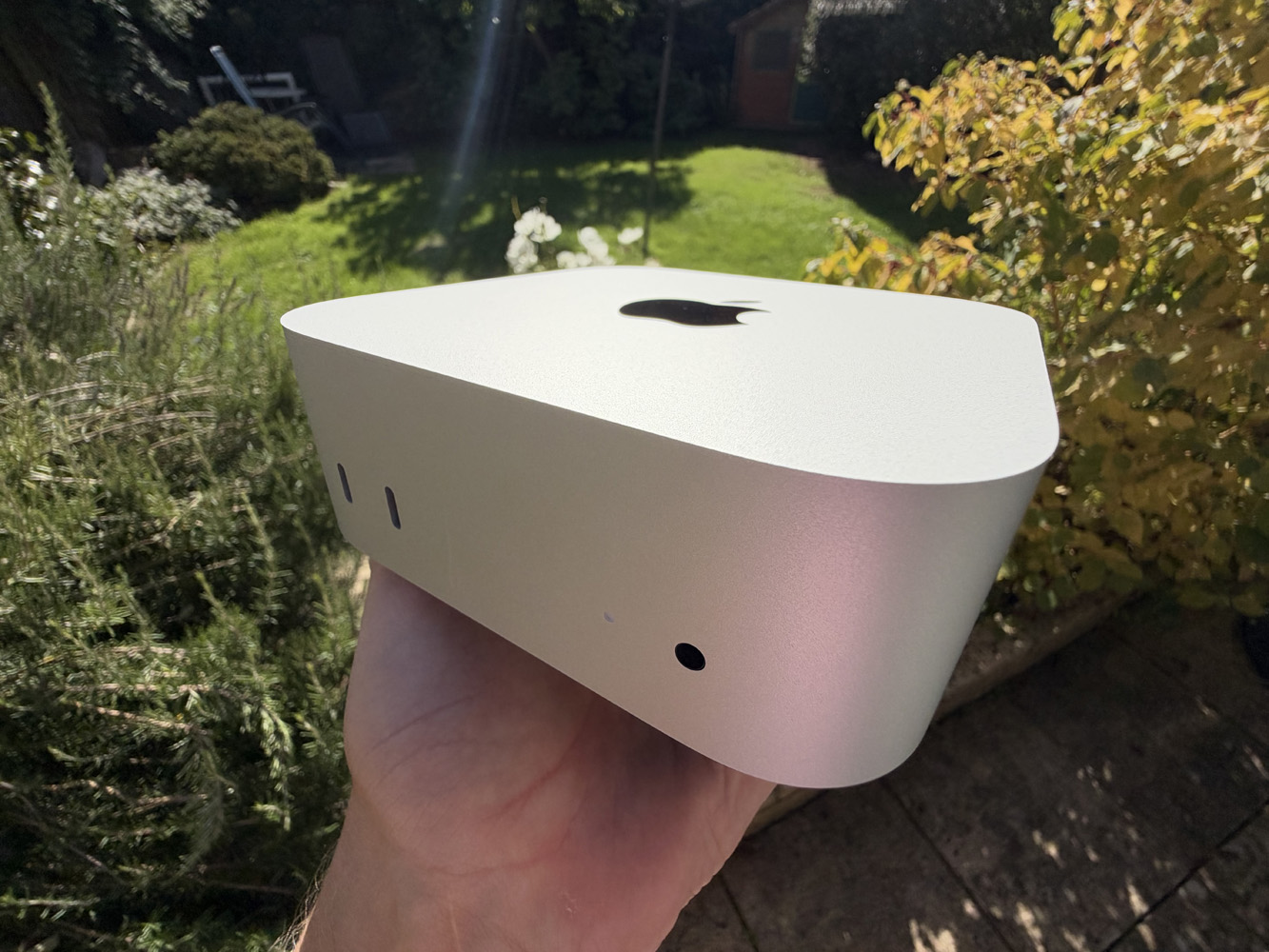
I’ve been using Apple’s Mac Mini for a few days now and here’s my early impressions of the new $899/£899 model.
My review model features the standard Apple M6 chip with 12‑core CPU and 12‑core GPU. The M5 Pro is also available at a huge $800/£800 premium) plus I have two upgraded options – 32GB memory and 2TB SSD instead of 16GB and 256GB. These extra options will set you back a cool $/£1200. While I think the extra memory cost is worth it, this is more storage than I would usually need. This model runs the new macOS 27 Golden Gate, as you’d expect.
So what’s changed this time around – in other words, what make a meaningful difference?
1. The processor gets two additional cores
Whiel the M4 has 10 CPU cores, the new M6 has 12, comprising two super cores, four performance cores and six efficiency cores. Apple says this gives up to 40% higher CPU performance and it does seem quite a bit quicker for general use where you are flipping between several apps.
2. The graphics have been substantially upgraded

In terms of the behind-the-scenes stuff, this is the biggest technical change with M6 and the chip now has a 12-core GPU rather than a 10-core GPU in the M4. Each core also now has its own Neural Accelerator.
3. It’s going to be great for on-device AI apps
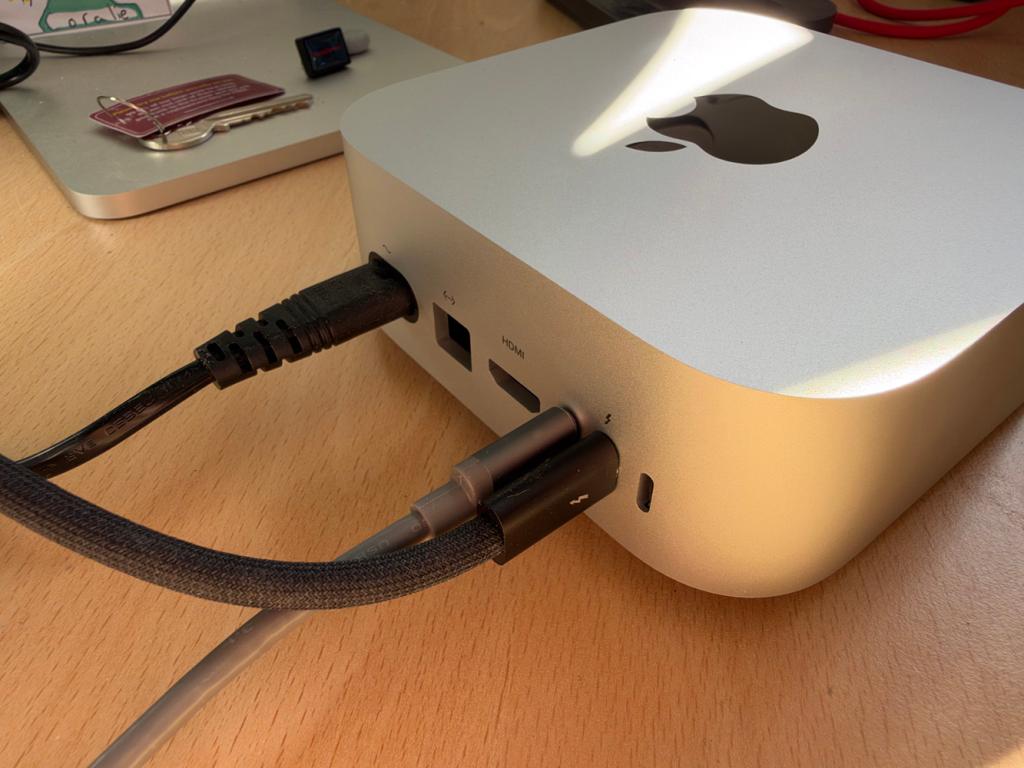
Those neural accelerators are going to be great if you regularly use AI apps. The M6 has a ‘dual 16-core’ Neural Engine, also found in the iPhone 18 Pro’s A20 Pro chip. Apple is claiming up to 4x the AI performance which is interesting if you’re going to be using the Mac mini for on-device AI work. Now, that may seem a little superfluous at the moment unless you run AI models locally, but by the time this Mac is getting a little older expect it to be more important, especially for Apple’s Siri which aims to do a lot of work on your Mac rather than in the cloud.
3. The storage is faster
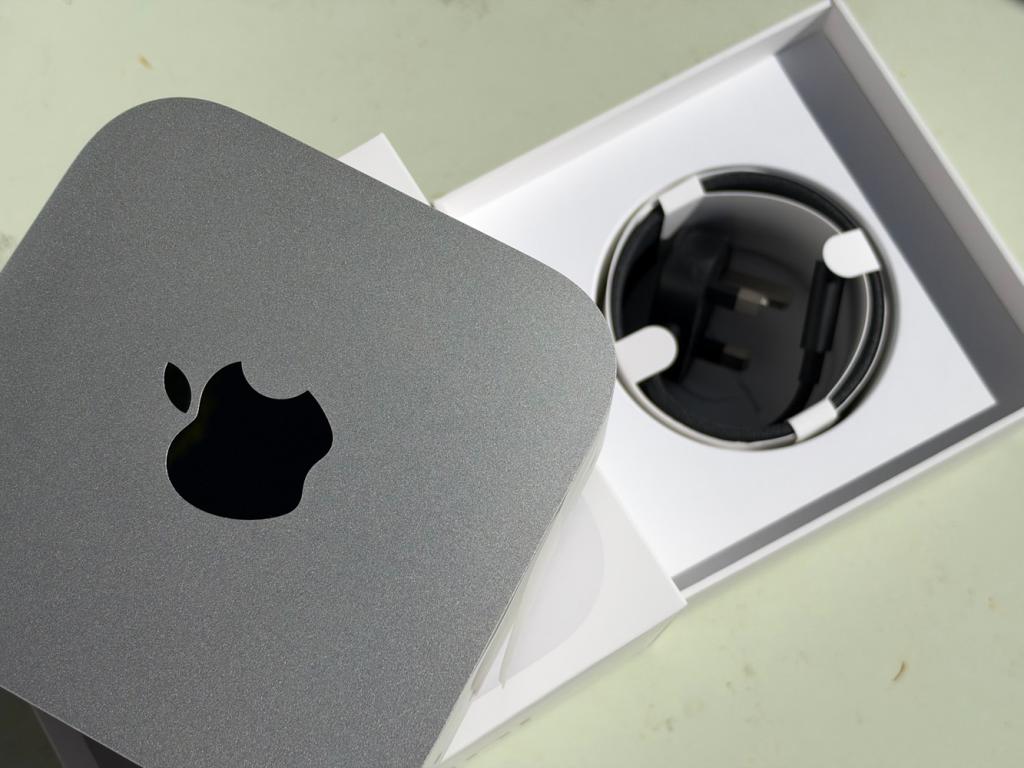
For the M6 Mac mini, Apple claims up to 2x faster storage performance compared with the M4 model. That’s refering to the SSD but it’s important to nmote that it’s an ‘up to’ figure so not everything will be twice as fast. Large file transfers will be quicker, but this won’t affect you from day-to-day probably.
4. The memory bandwidth is increased considerably
While the M4 provides 120GB/s of memory bandwidth, the M6 provides 153GB/s on 16GB/24GB configurations and 170GB/s on the 32GB model (48 and 64 GB options are also available too). While you’re unlikely to see much improvement in office apps or web browsing, you’ll notice the difference with video editing or working with large files in something like Adobe Photoshop.
5. The connectivity is much more up-to-date
The M6 version of the Mac mini moves from Wi-Fi 6E to the emerging Wi-Fi 7 standard, while Bluetooth 5.3 is also upped to Bluetooth 6, and Gigabit Ethernet is increased to 2.5Gb Ethernet as standard. 10Gb Ethernet is available as an option.
But it’s so much more expensive
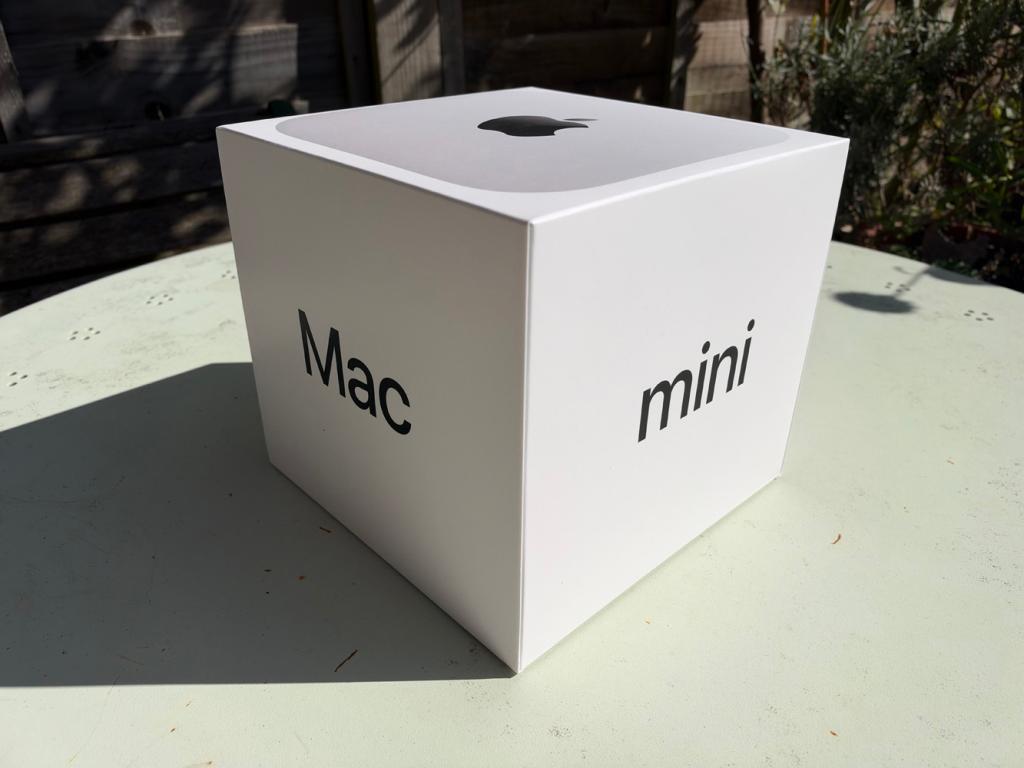
So the Mac mini M6 is a sizeable upgrade over the previous model, then. But it also comes at a sizeable cost; following on from Apple’s various price hikes this year (due to wider memory price increases) it now starts at an $300/£300 premium over the Mac mini M4. This is nothing short of shocking considering that’s a 50% increase. What’s on offer is, of course, an improvement, but the performance doesn’t keep pace with the price increase.
….and a lot hasn’t changed
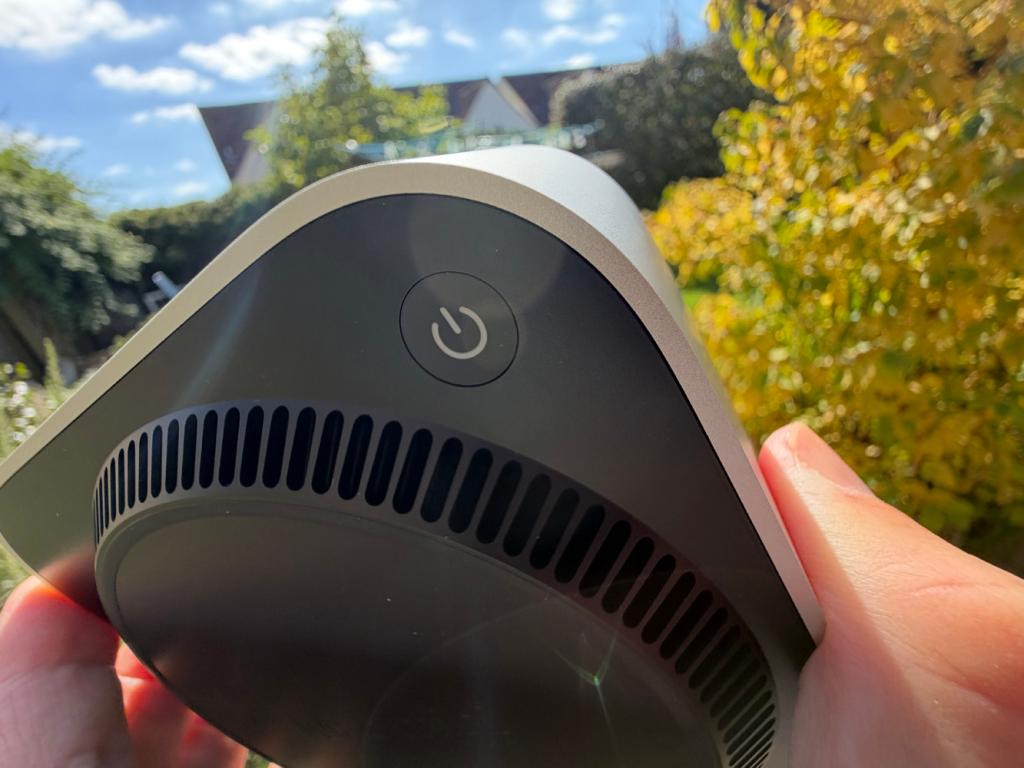
So that’s what has changed – what hasn’t? While the key thing is the design. While the design is still brilliantly small at 5in square, it hasn’t been changed at all.
This is not a problem, but I still hate the fact the power button is on the bottom and that you basically have to pick it up to turn it off.
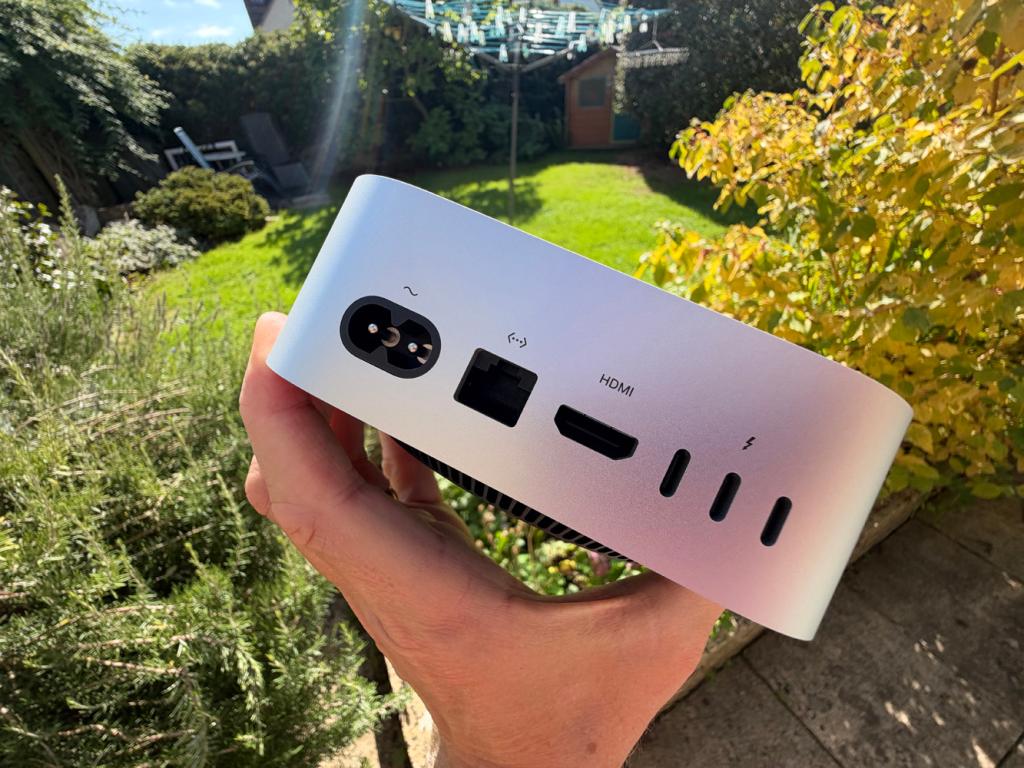
There are still three Thunderbolt 4 ports – not the newer Thunderbolt 5. And you still get two USB-C ports and a headphone jack.
The memory and storage capacities are also unchanged with up to 32GB RAM and 16GB as standard and 256GB–2TB SSD choices.
Mac Mini M4 vs M6 comparison
| Specification | Mac mini M4 (2024) | Mac mini M6 (2026) |
|---|---|---|
| US price | From $599 | From $899 |
| UK price | From £599 | From £899 |
| EU price | From €699 | From €1,049 |
| CPU | 10-core | 12-core |
| CPU architecture | 4 performance cores + 6 efficiency cores | 2 super cores + 4 performance cores + 6 efficiency cores |
| GPU | 10-core | 12-core with Neural Accelerators |
| Ray tracing | Hardware-accelerated | Hardware-accelerated |
| Neural Engine | 16-core | Dual 16-core |
| Memory | 16GB / 24GB / 32GB | 16GB / 24GB / 32GB |
| Memory bandwidth | 120GB/s | 153GB/s or 170GB/s |
| SSD | 256GB / 512GB / 1TB / 2TB | 256GB / 512GB / 1TB / 2TB |
| Storage performance | — | Up to 2x faster |
| AI performance | — | Up to 4x faster |
| Graphics performance | — | Up to 2x faster |
| CPU performance | — | Up to 40% faster |
| Wi-Fi | Wi-Fi 6E | Wi-Fi 7 |
| Bluetooth | Bluetooth 5.3 | Bluetooth 6 |
| Ethernet | Gigabit Ethernet; 10Gb option | 2.5Gb Ethernet; 10Gb option |
| Front ports | 2x USB-C, 1x headphone | 2x USB-C, 1x headphone |
| Rear Thunderbolt | 3x Thunderbolt 4 | 3x Thunderbolt 4 |
| Display support | Up to two 6K displays + one 5K display | Up to three displays; up to 8K/60Hz or 5K/120Hz supported |
| Dimensions | 5 × 5 × 2 inches | 5 × 5 × 2 inches |




Read the full article here


